
Breaking Benjamin Reboots the 2000s with Halo, Heartache and a Deafening Roar
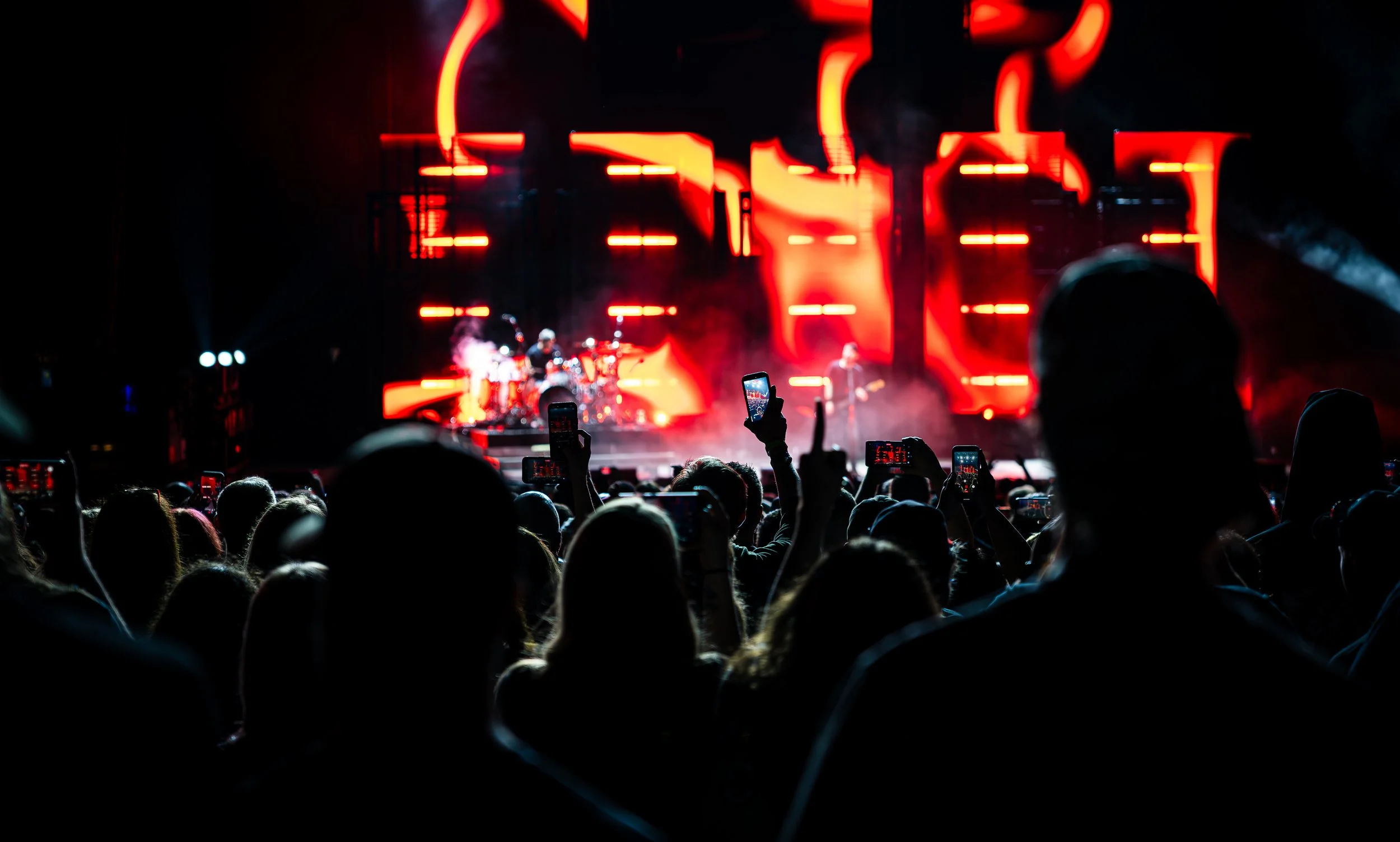
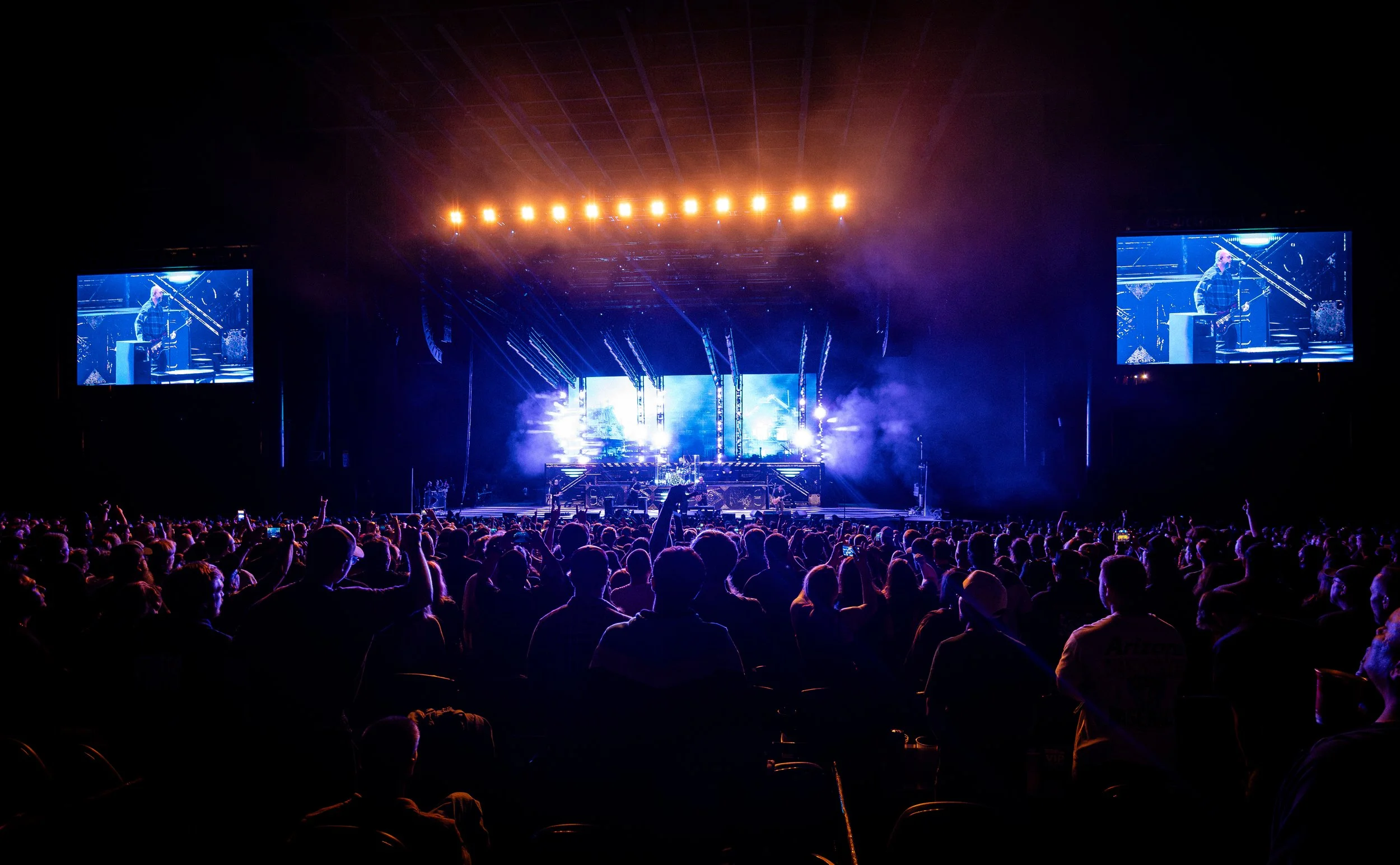
Before Breaking Benjamin appeared onstage at Credit Union 1 Amphitheater, large LCD screens behind the stage filled with a memory through a very specific corner of the early 2000s. A Windows XP desktop appeared, connected to a DSL modem, opened LimeWire, and began downloading “I Will Not Bow.” A Halo-themed music player opened the track before the whole thing crashed, leaving darkness for the band’s entrance. For a crowd made largely of rock veterans, the cold open was aimed right at the people who would appreciate it most. Cheers rang out and groans were had over the seemingly virus-laden file.
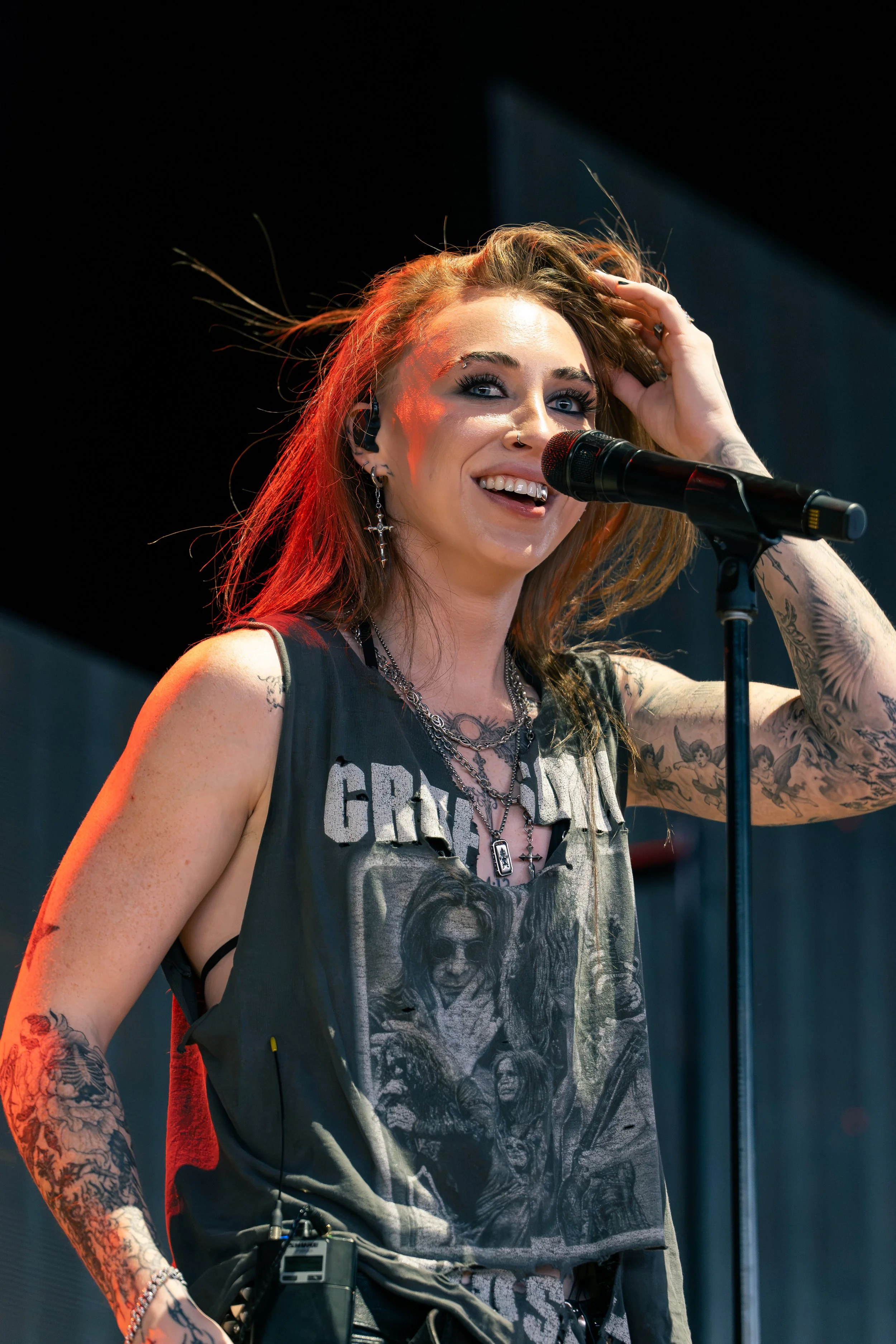
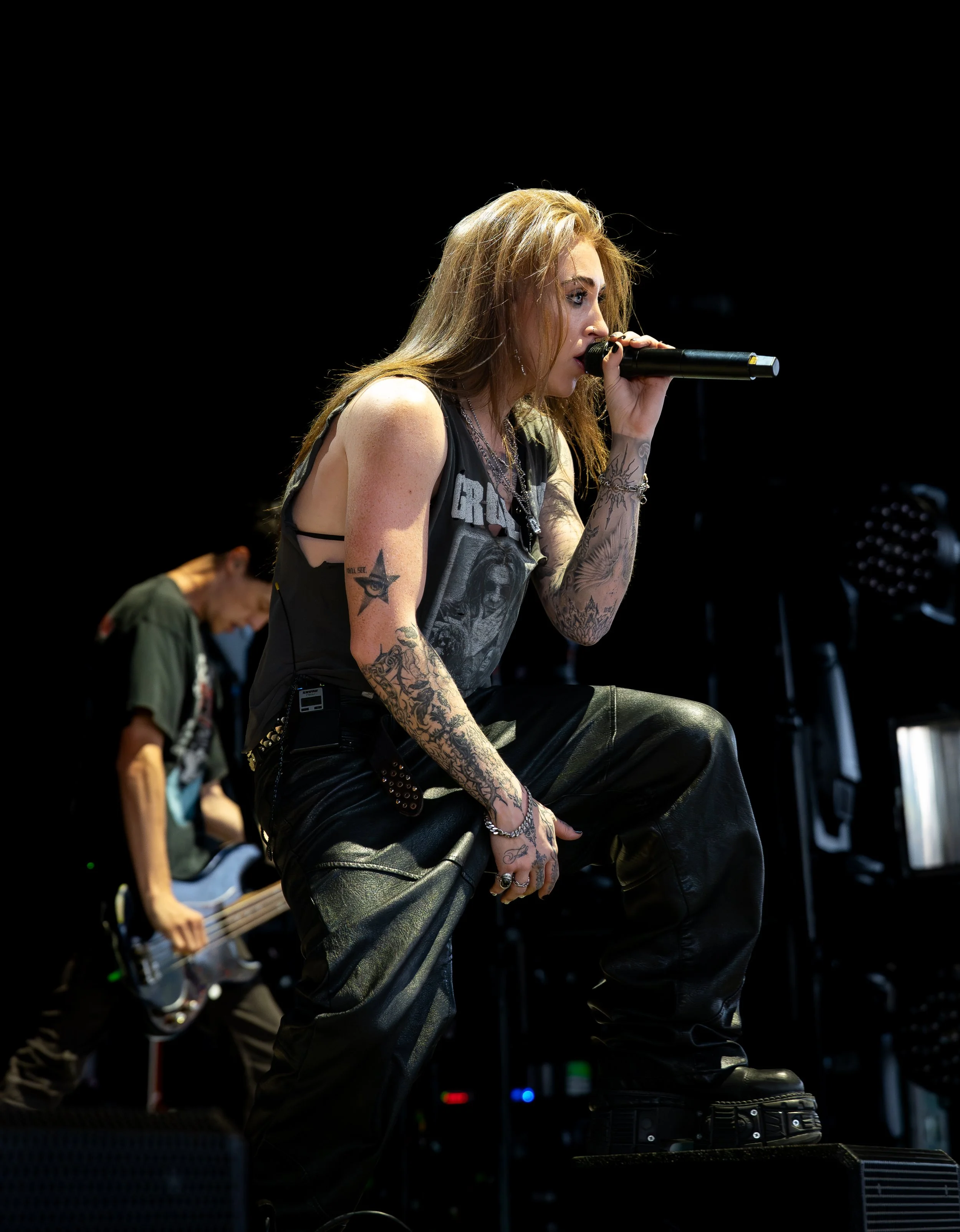
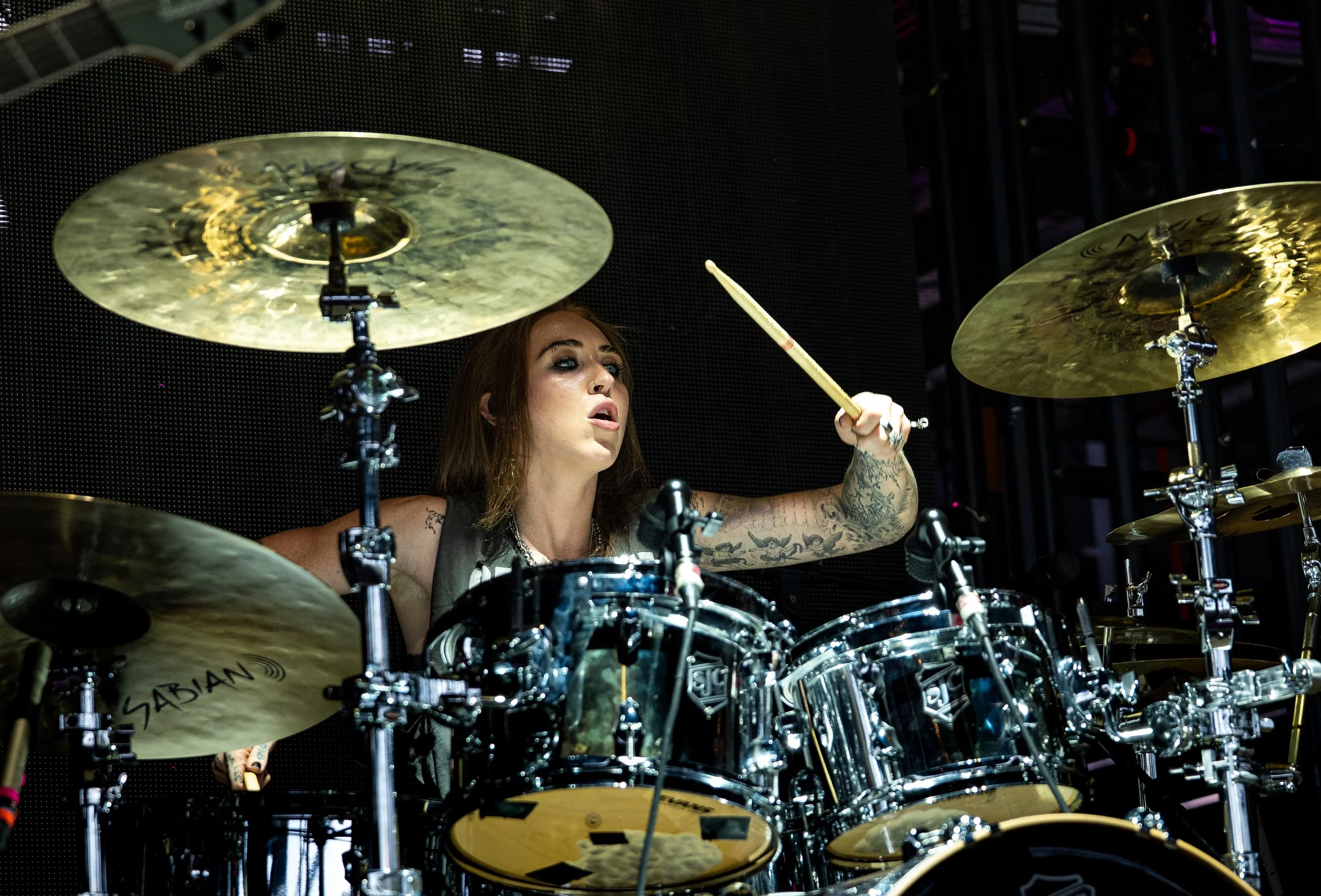
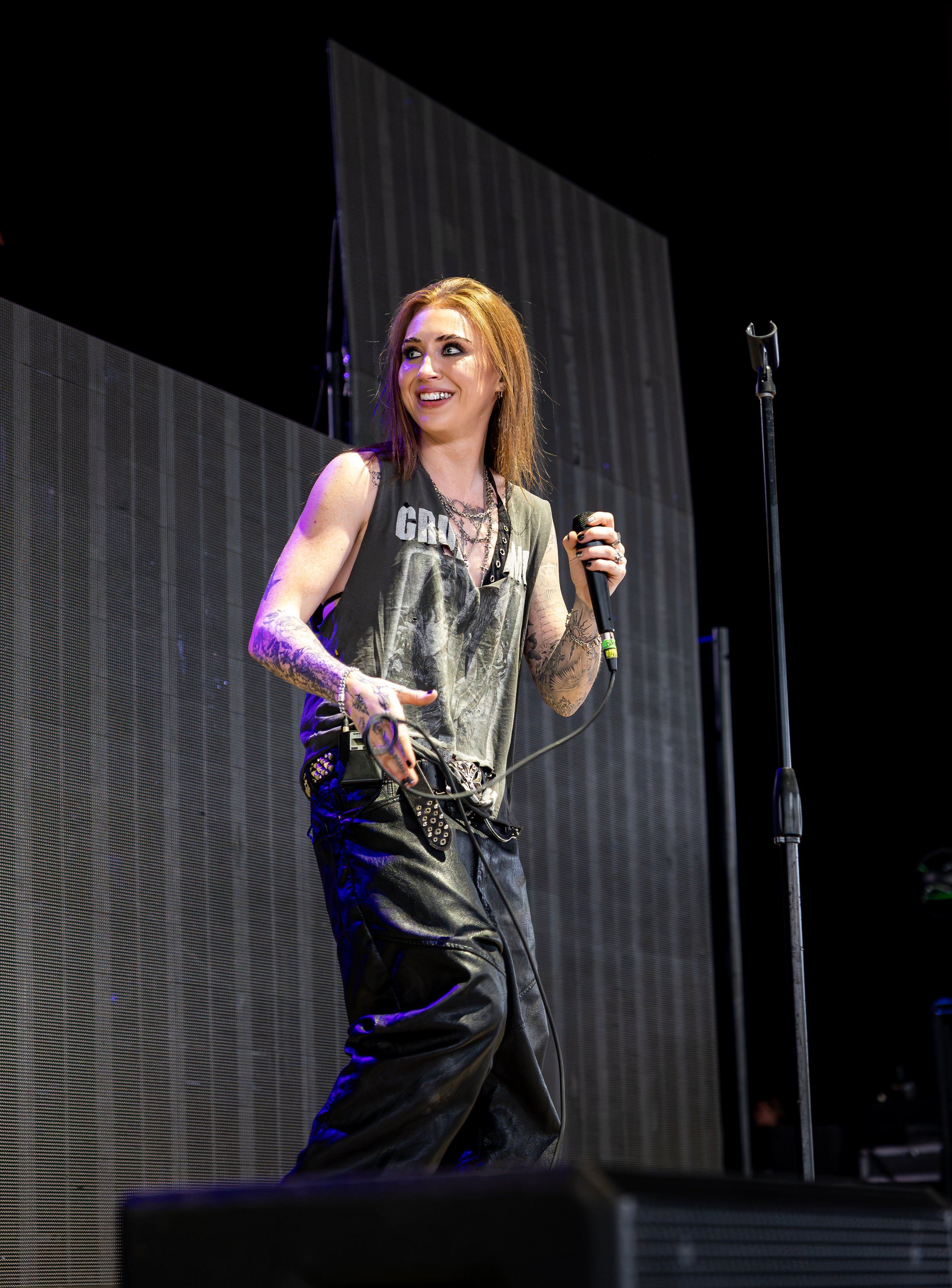
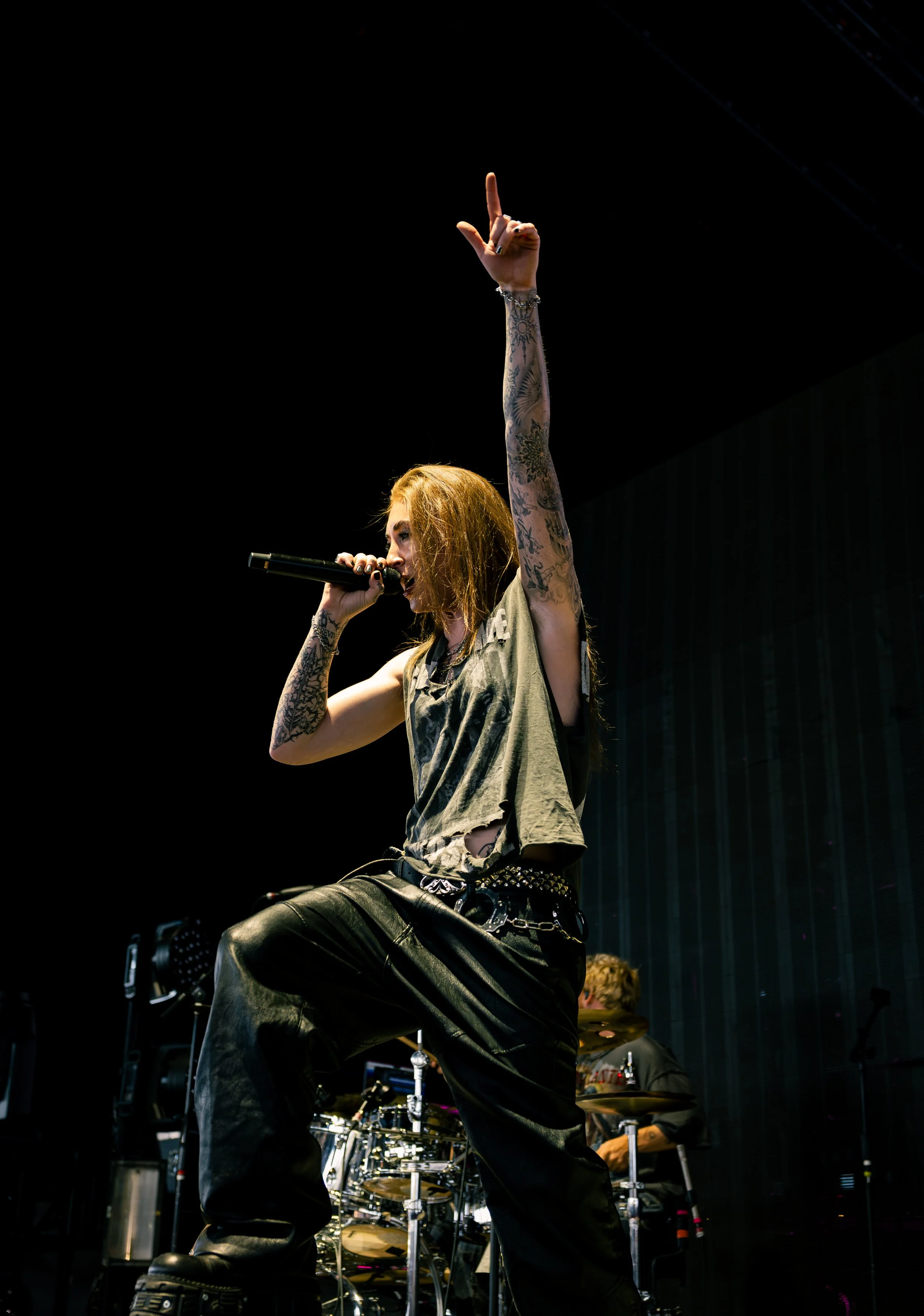
Supporting acts Kami Kehoe, STARSET, and Chevelle offered three distinct approaches to heavy music. Kehoe’s modern blend of punk, rock, and pop places comforting melodies alongside a sharper edge. Switching effortlessly between jumping energetically across the stage and banging on the drums, Kehoe fired up the growing audience, many of whom were first-time listeners.
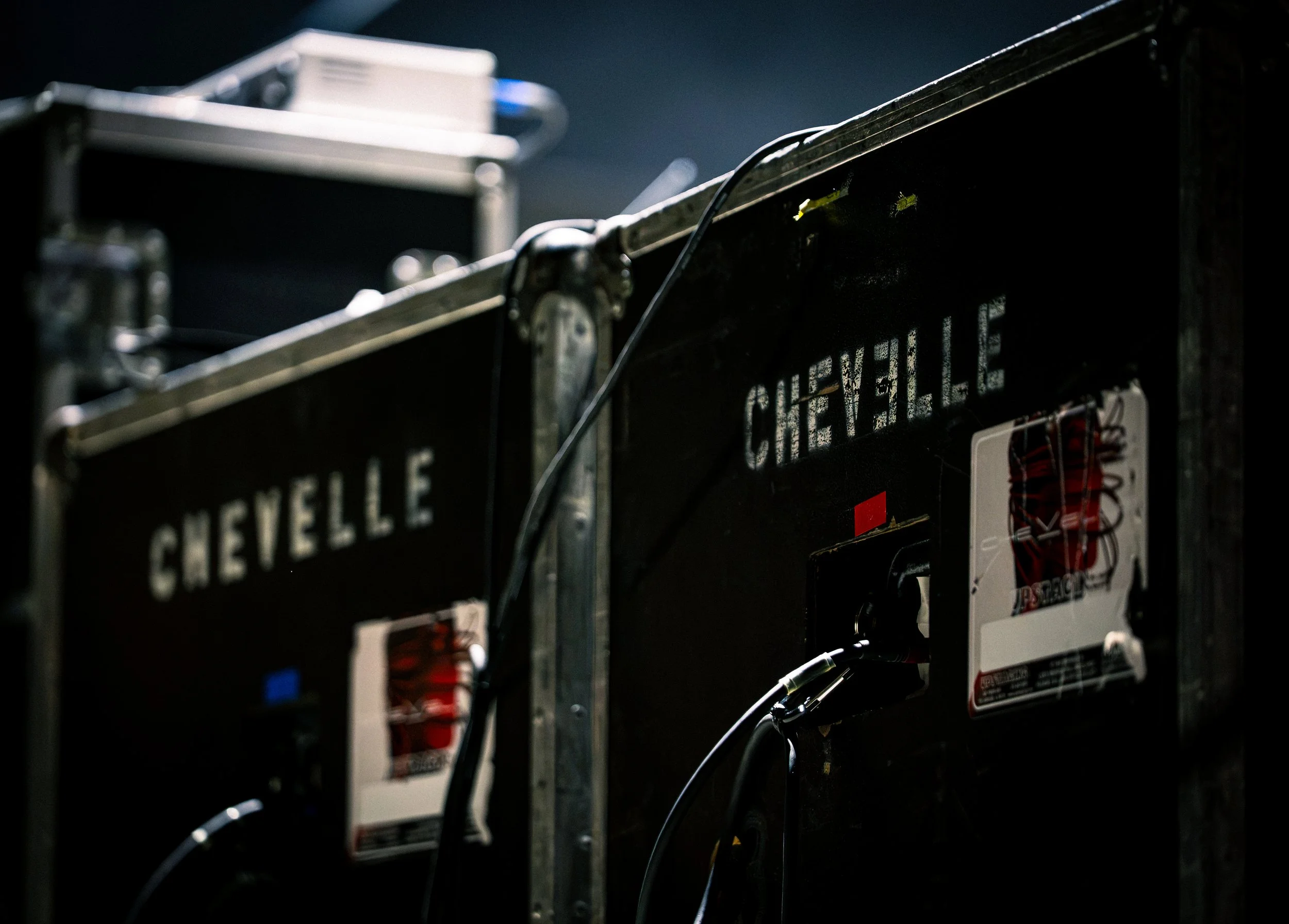
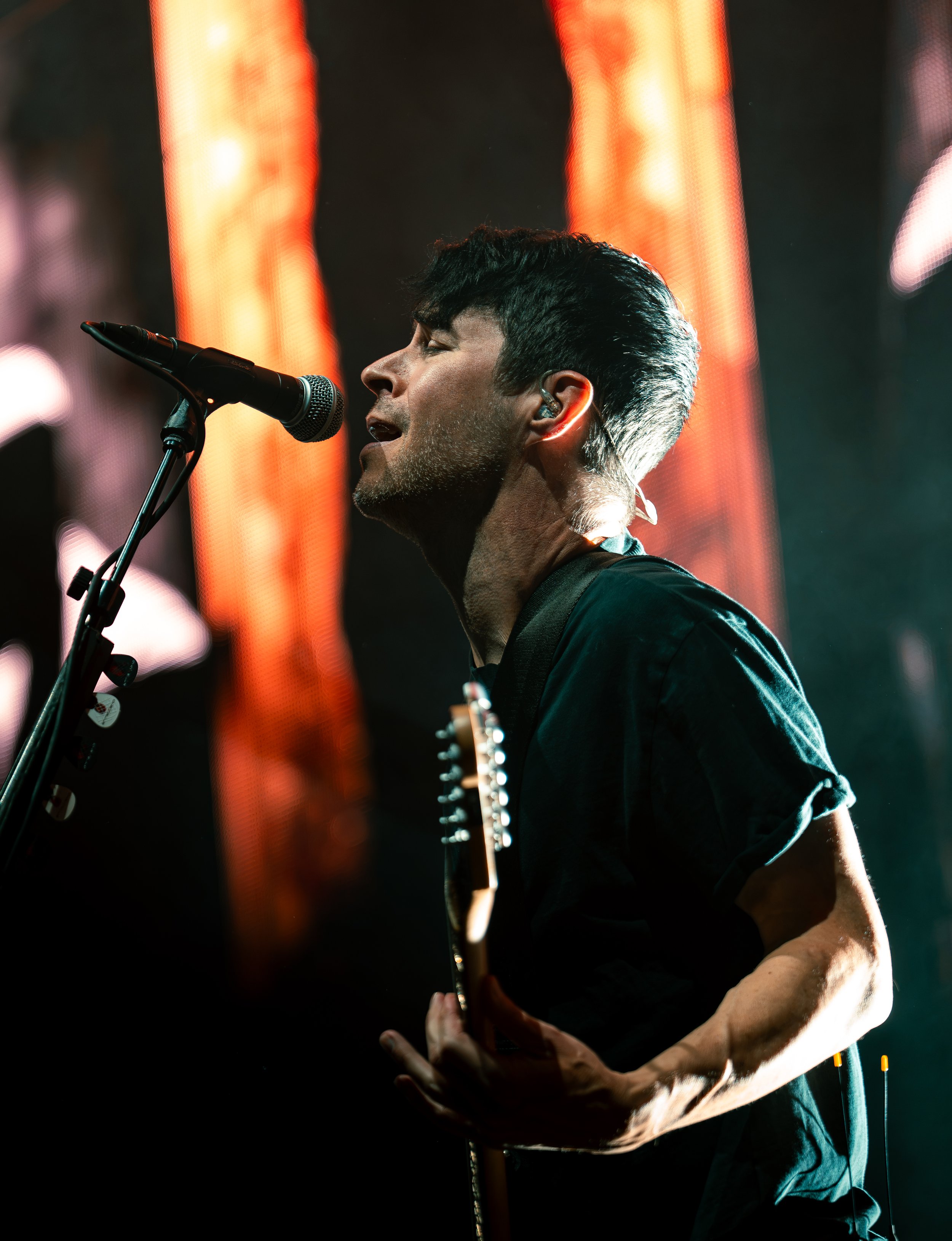
Chevelle’s gritty and dirty metal supplied a tightly focused counterpoint with a musical identity rooted in heavy guitars and tense buildups. It was clear that Chevelle’s older songs were smash hits with the crowd, as Pete Loeffler, lead singer, retorted, “Sounds like you guys like the older [stuff].” Classics of the era like “Send the Pain Below” and “The Red” were all but staples to the audience with the roars of sing-alongs piercing through the open-air amphitheater.
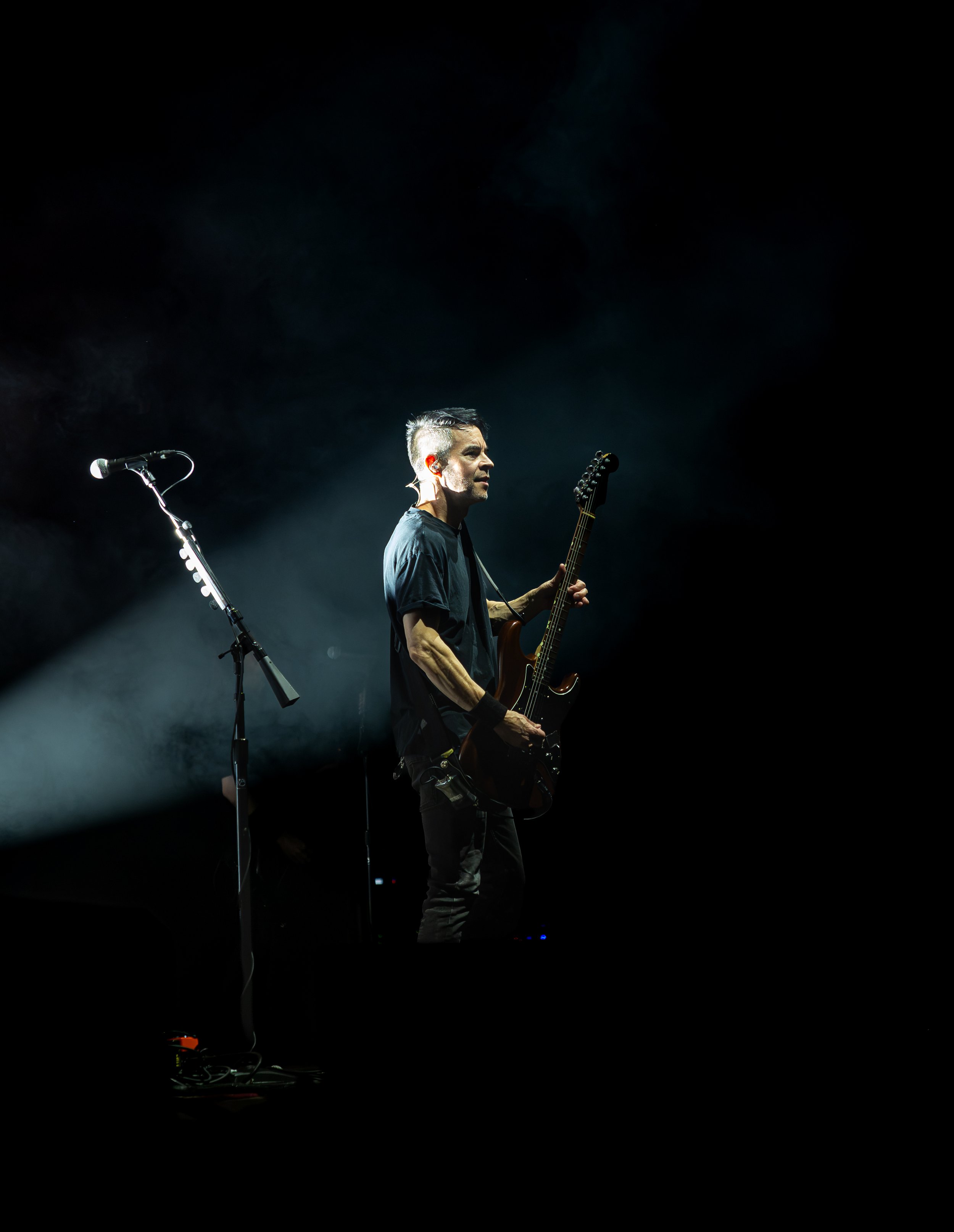
STARSET, however, provided the opening lineup’s most elaborate spectacle. The band’s titling of its performances as “demonstrations” felt on the nose here. Dustin and crew’s act here was less a conventional opening set and more a portal into a meticulously staged science-fiction epic, consistent with the group’s marriage of cinematic rock, haunting riffs, and unrivaled worldbuilding.
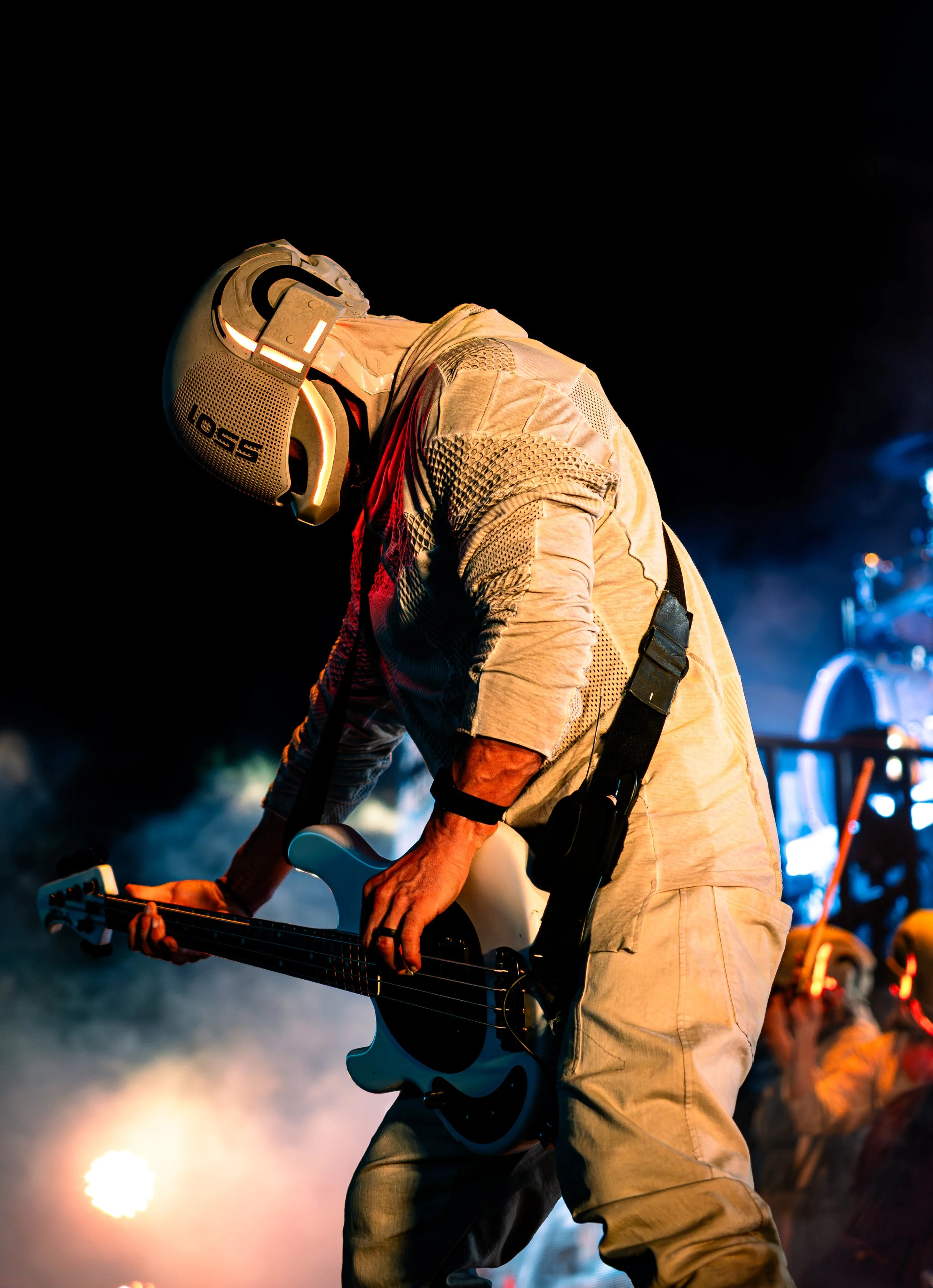
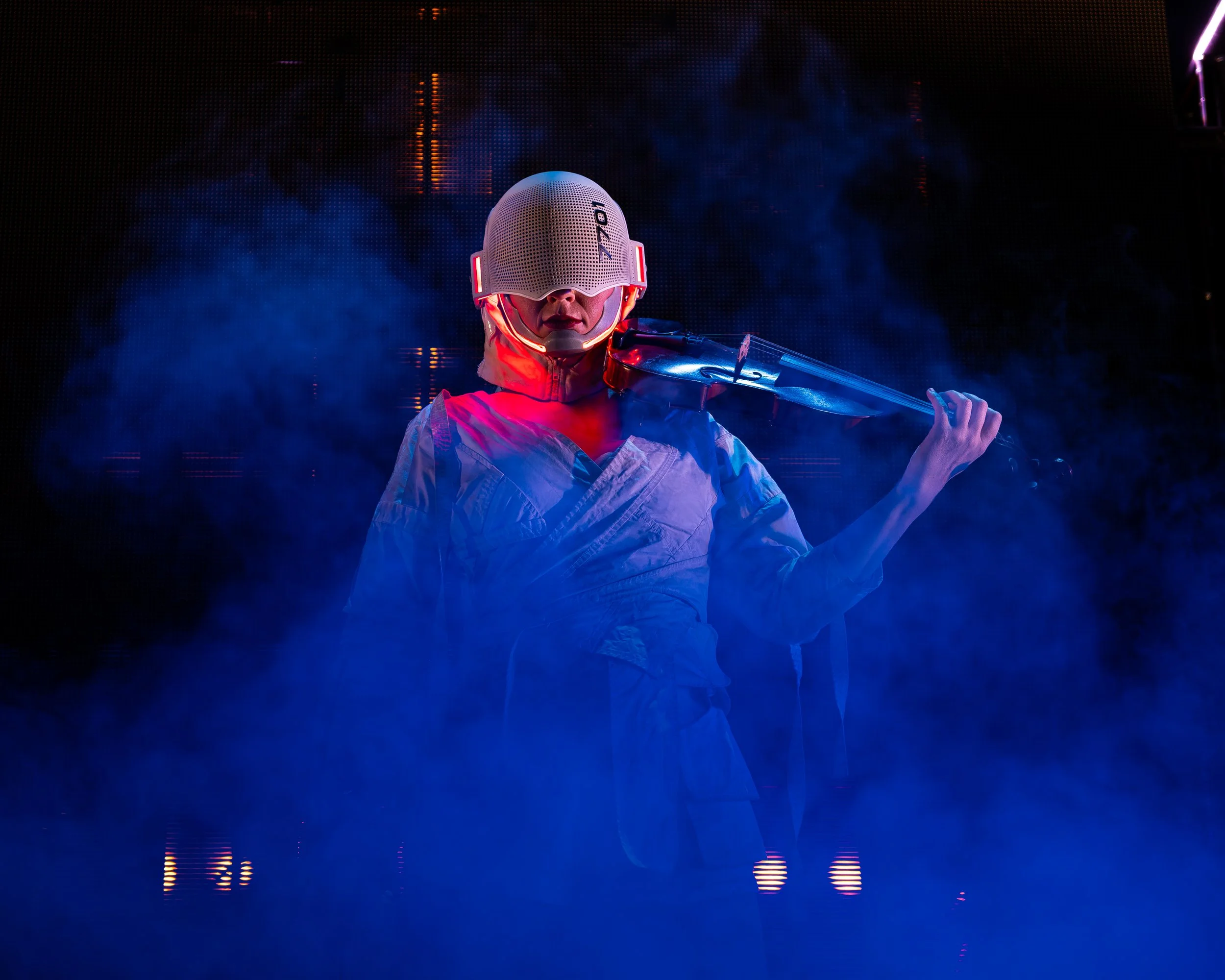
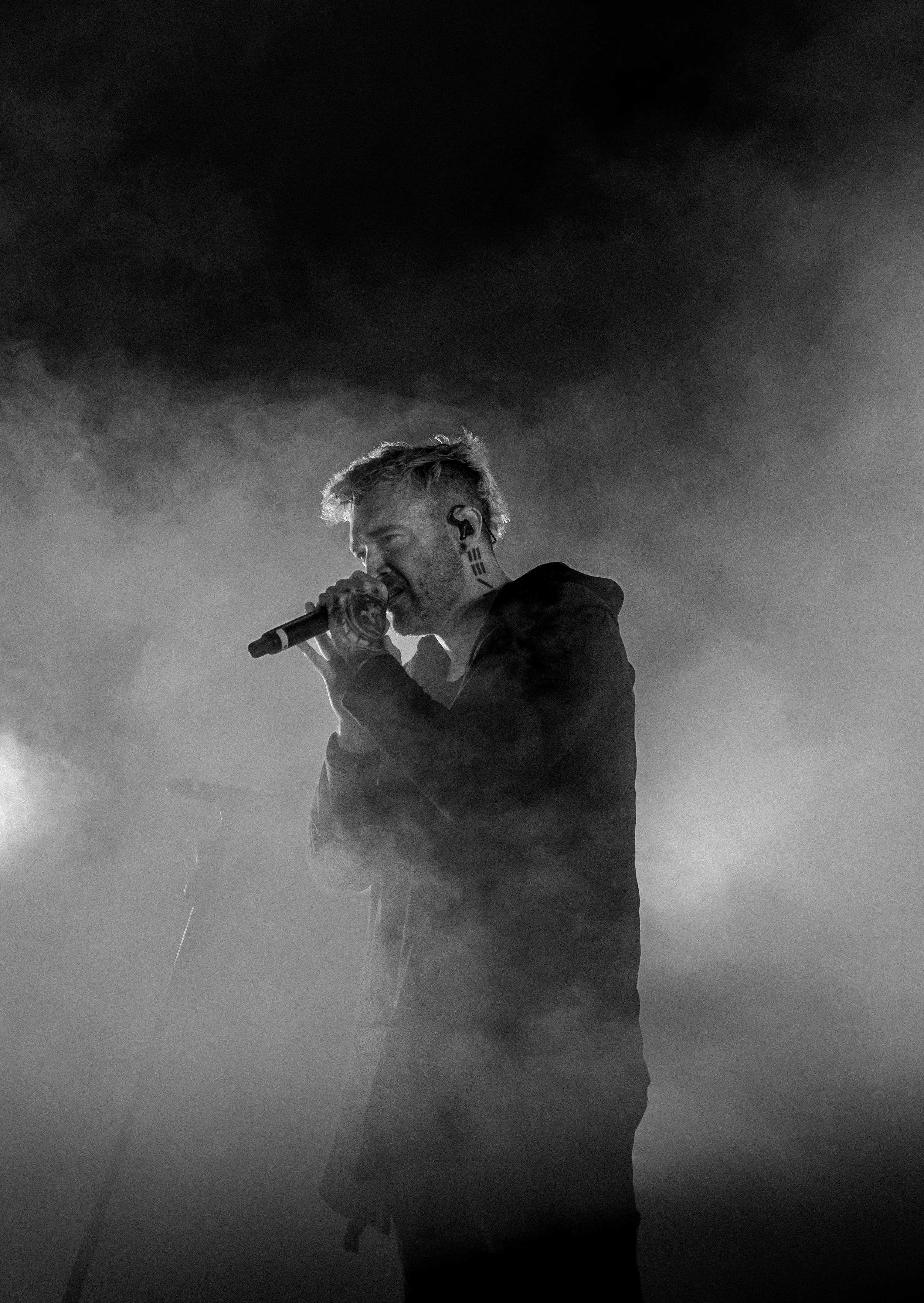
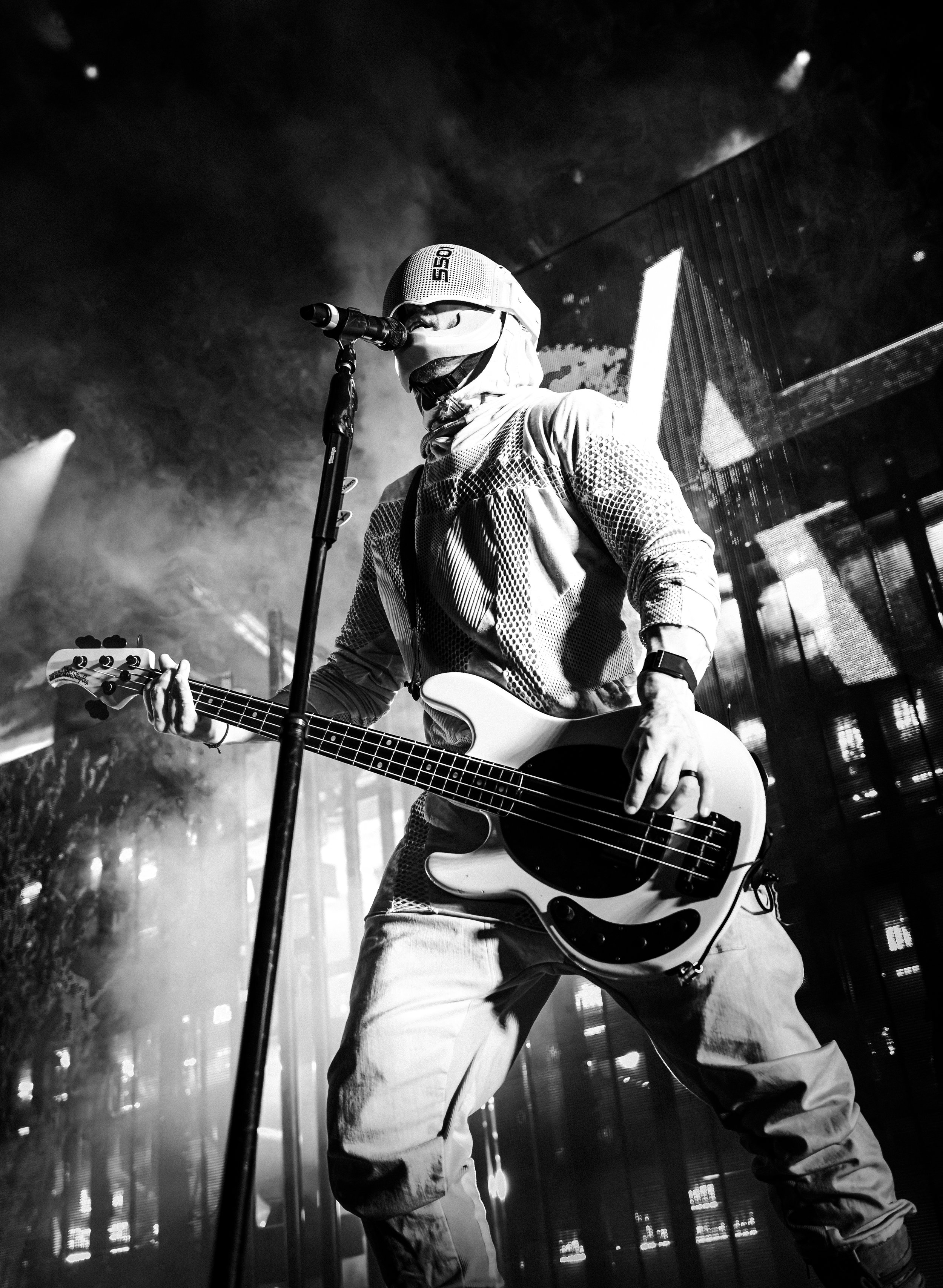
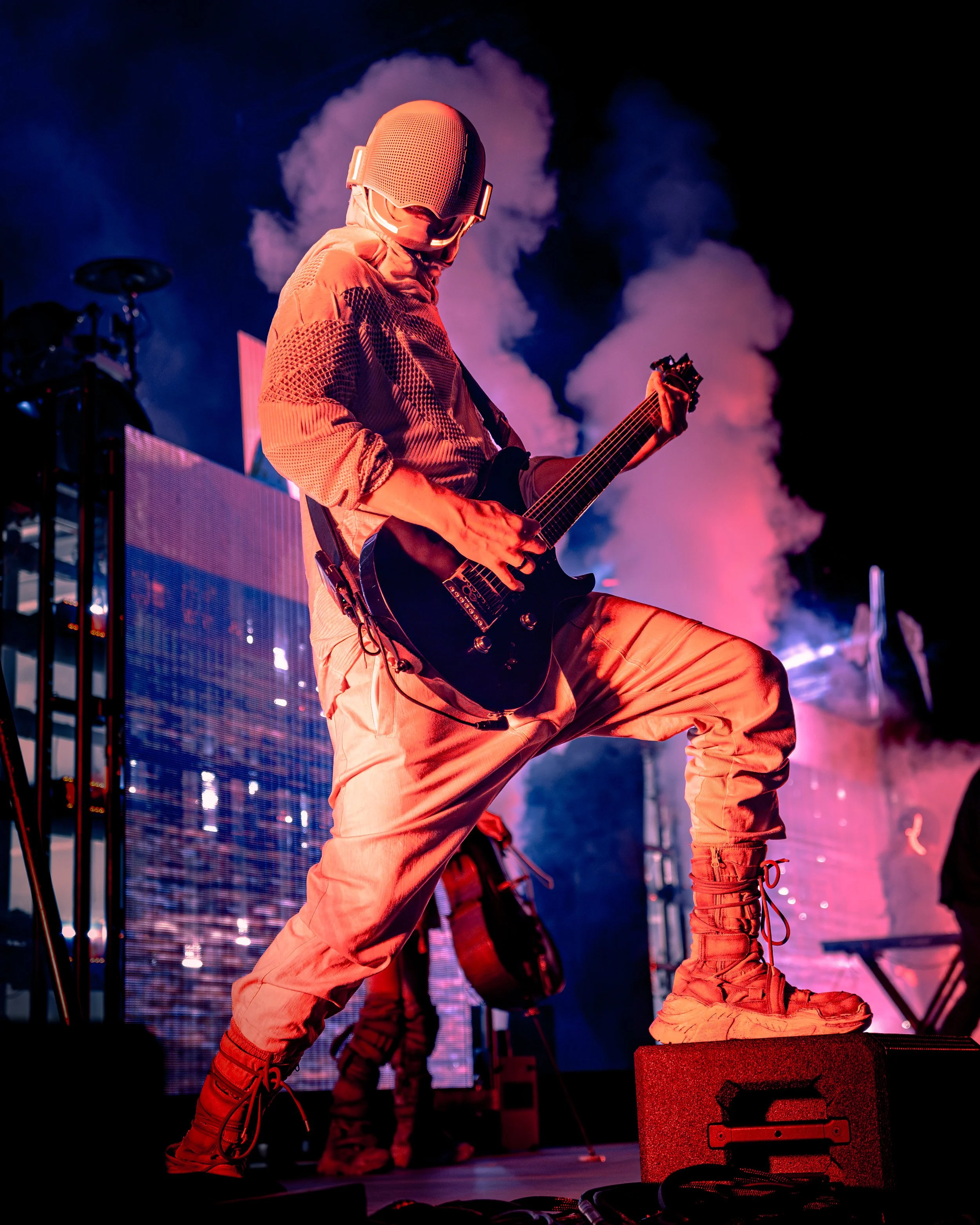
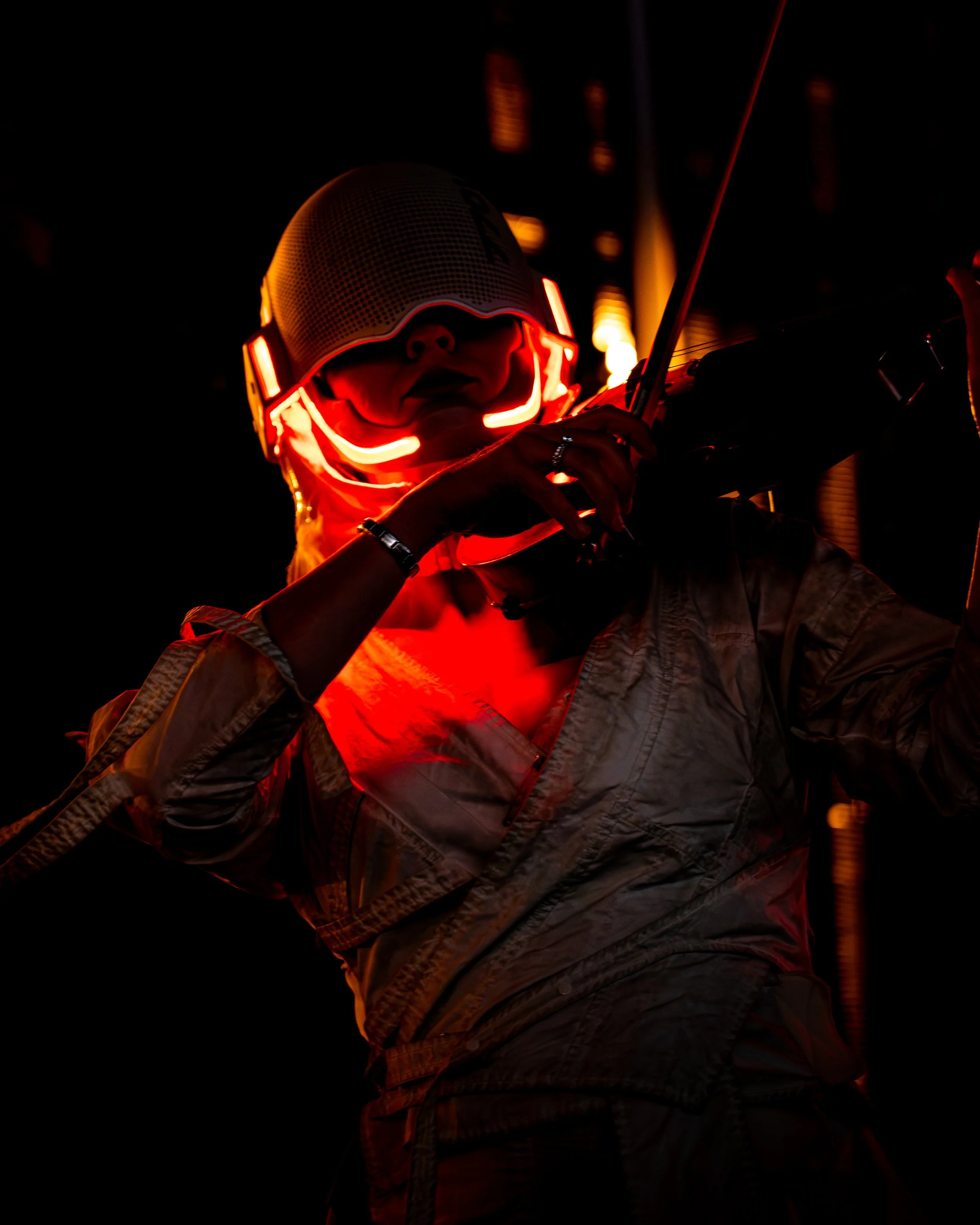
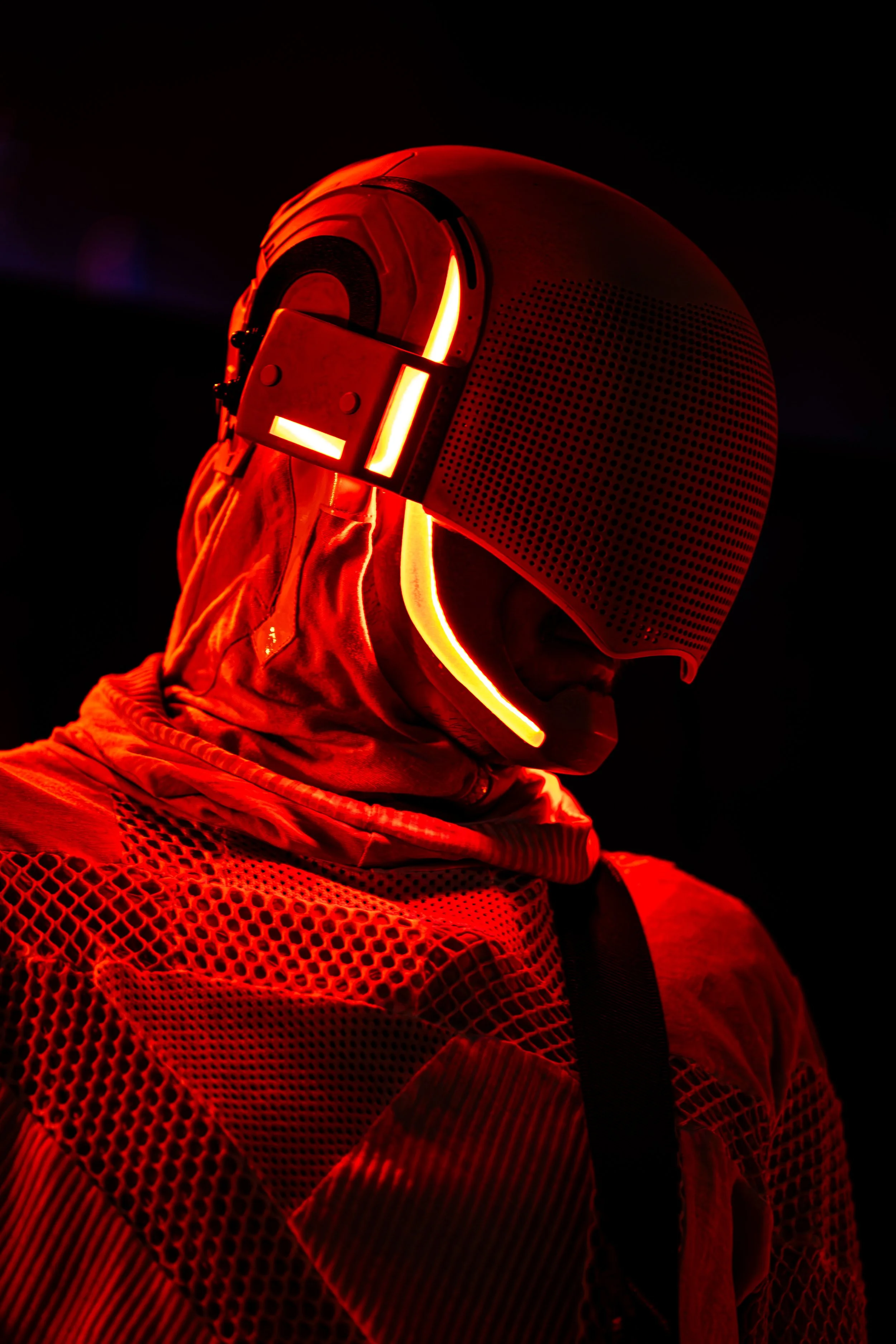
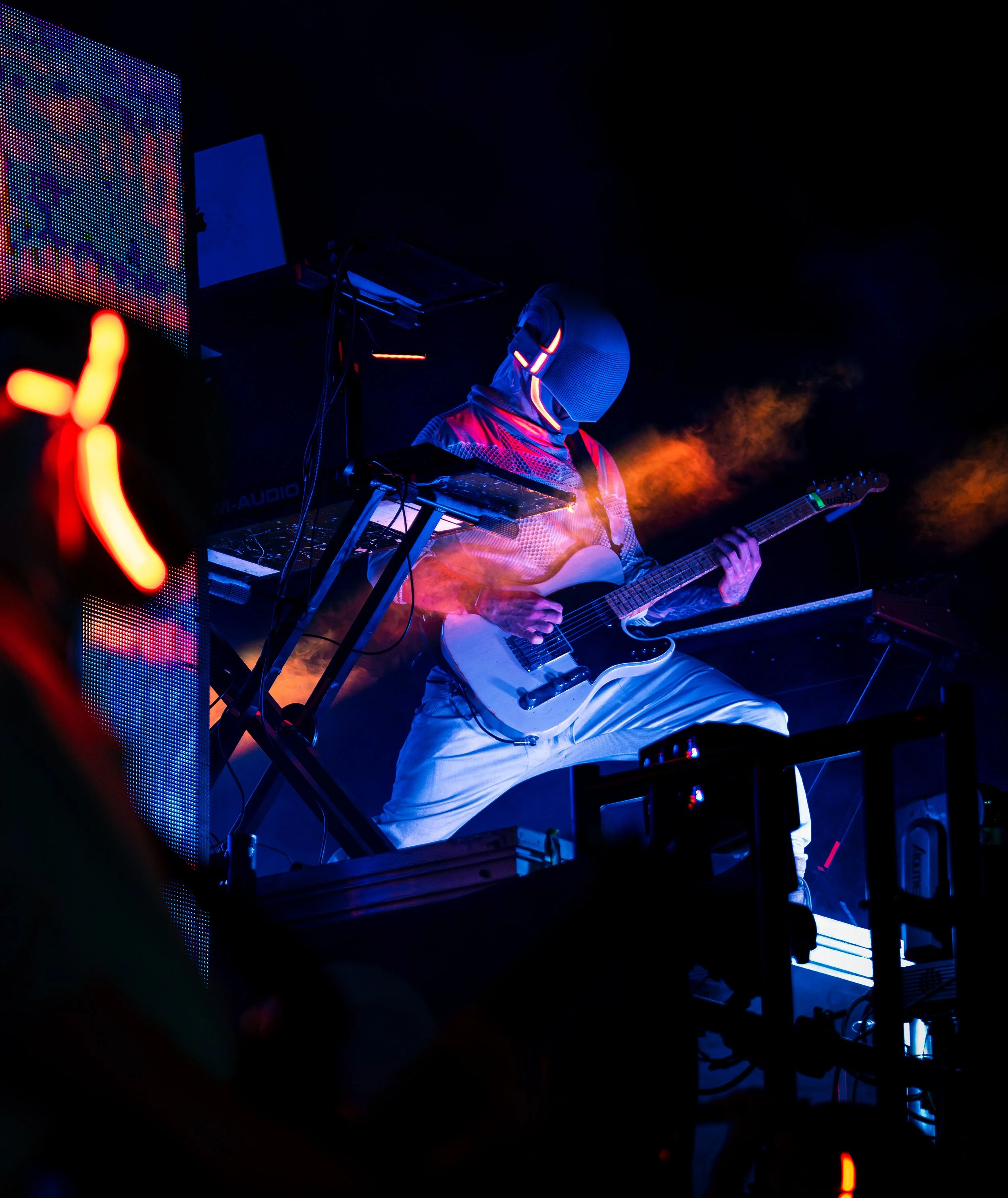
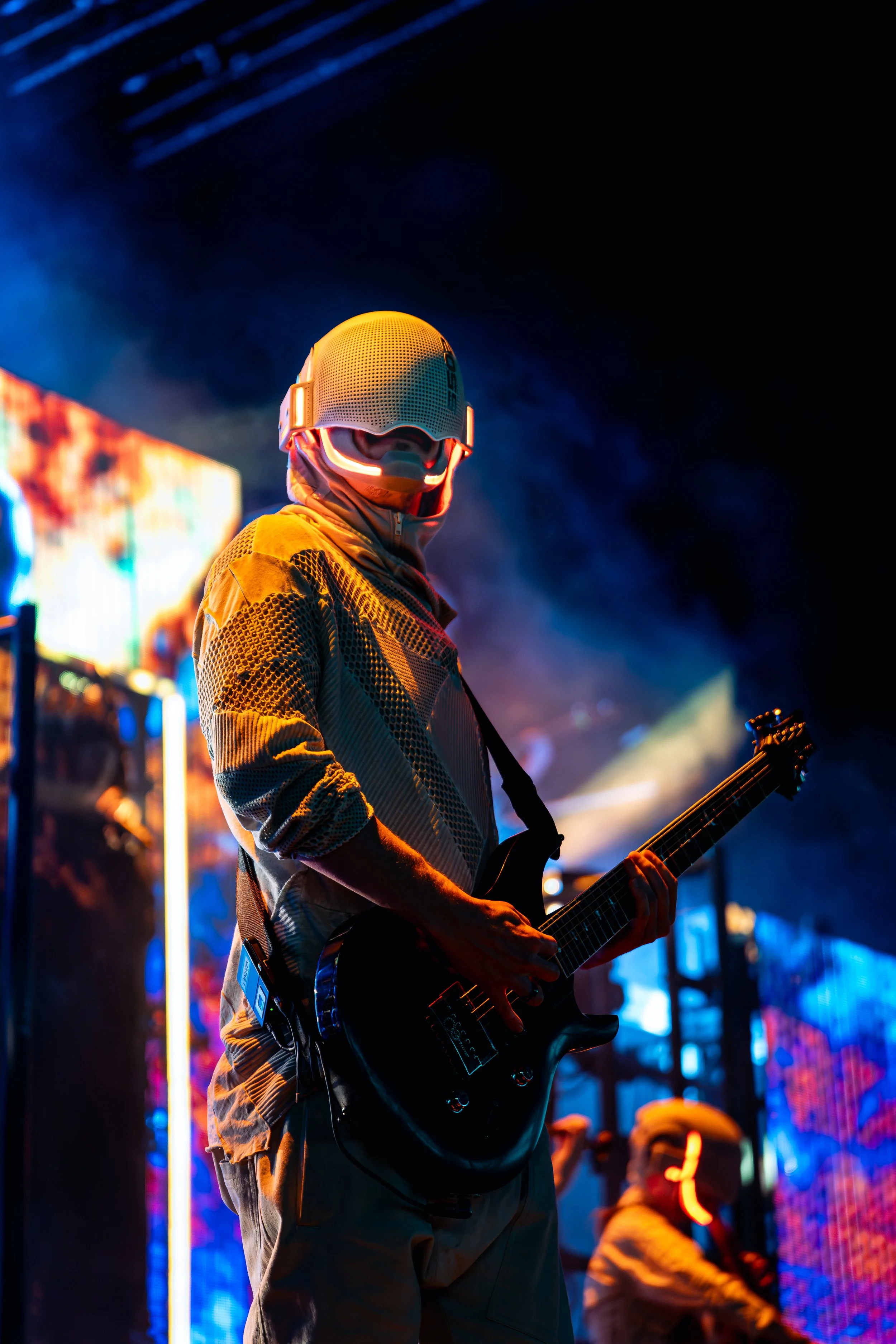
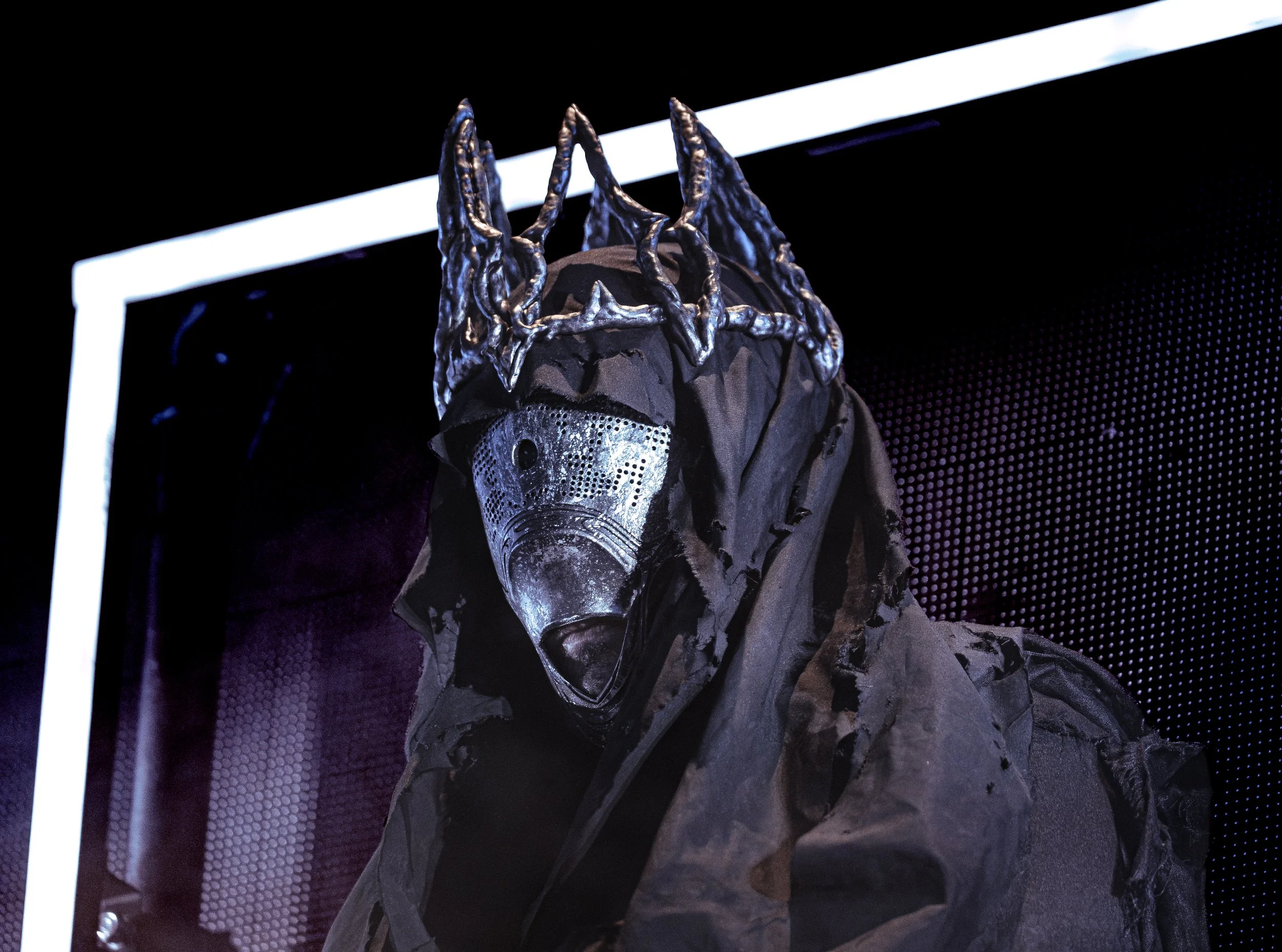
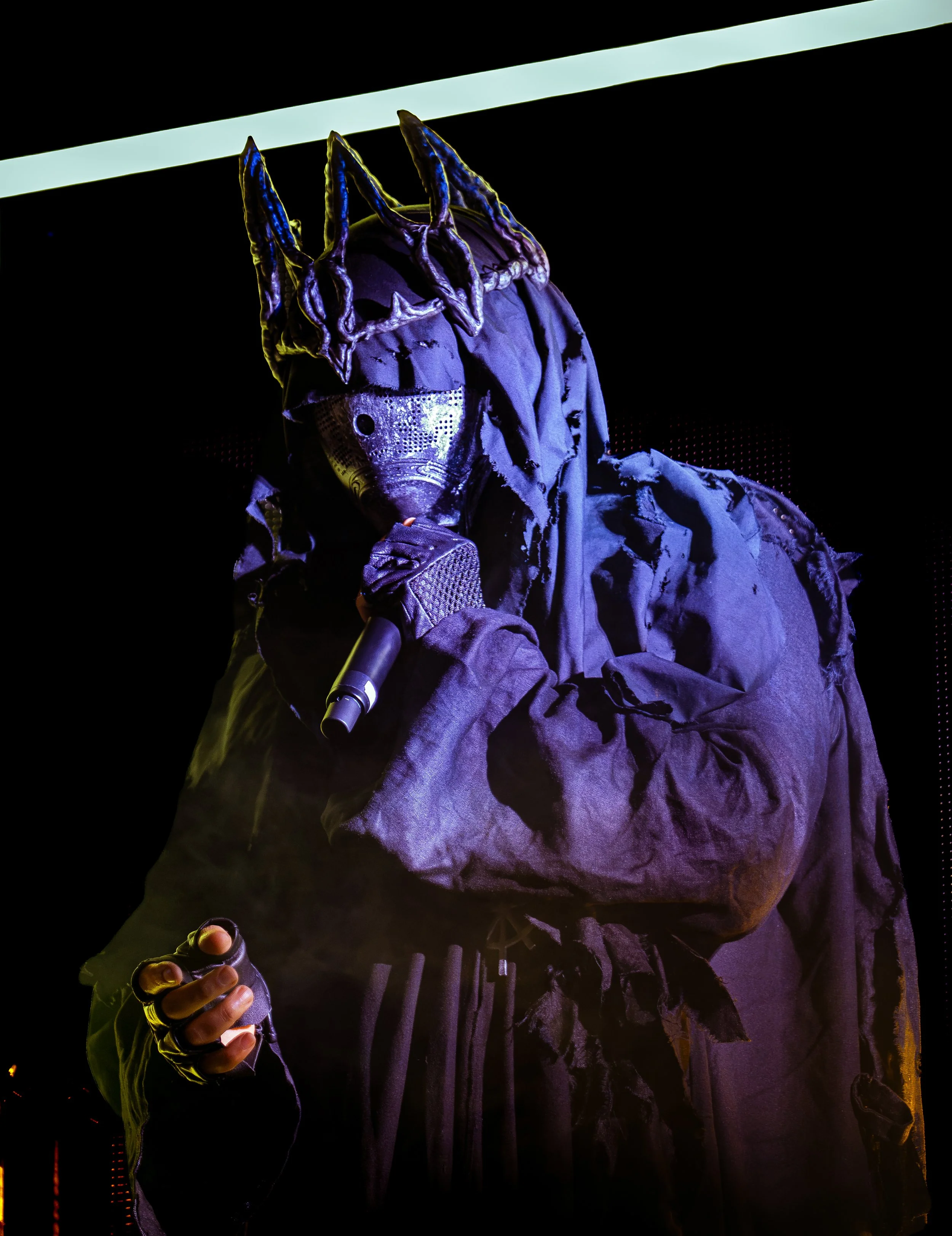
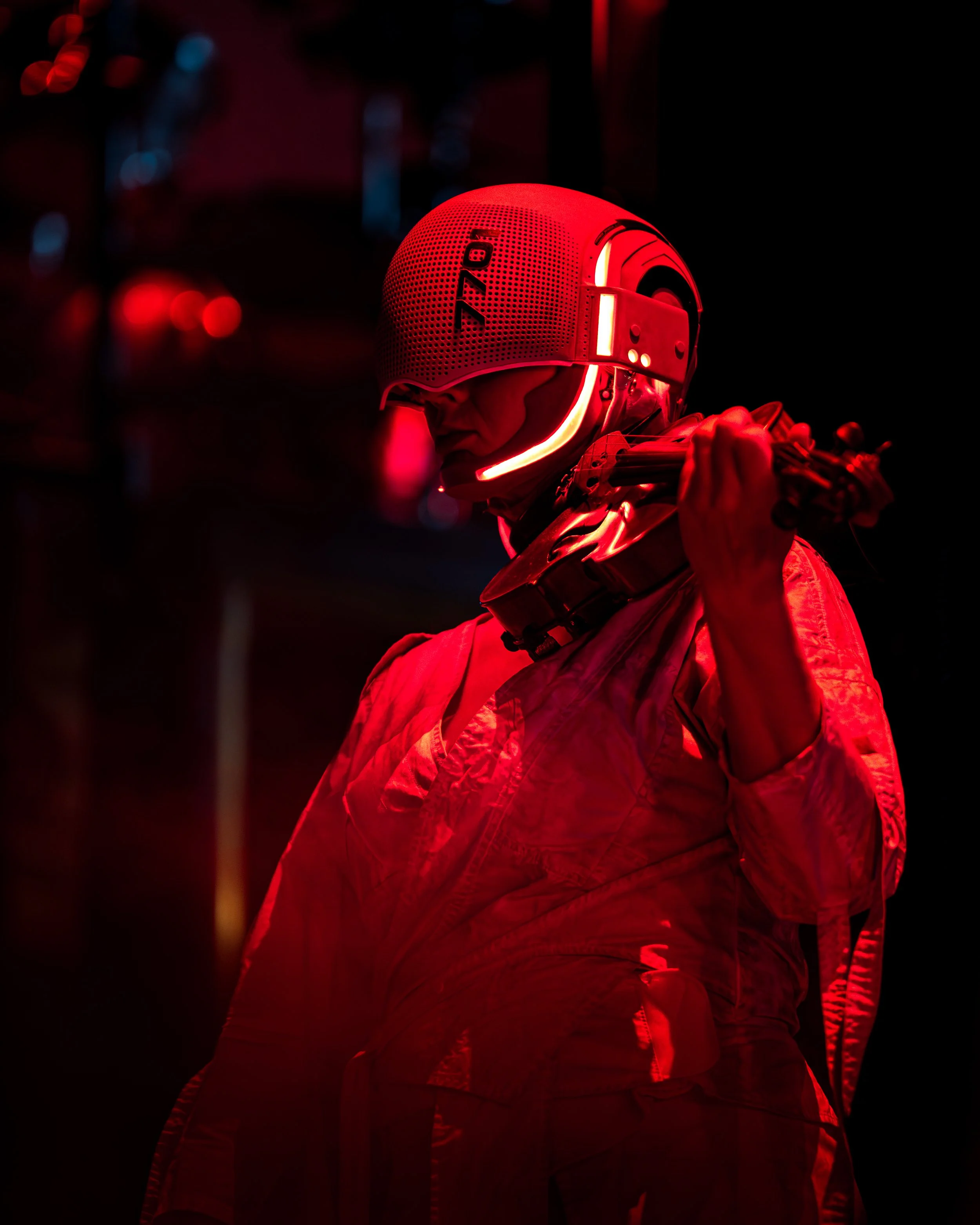
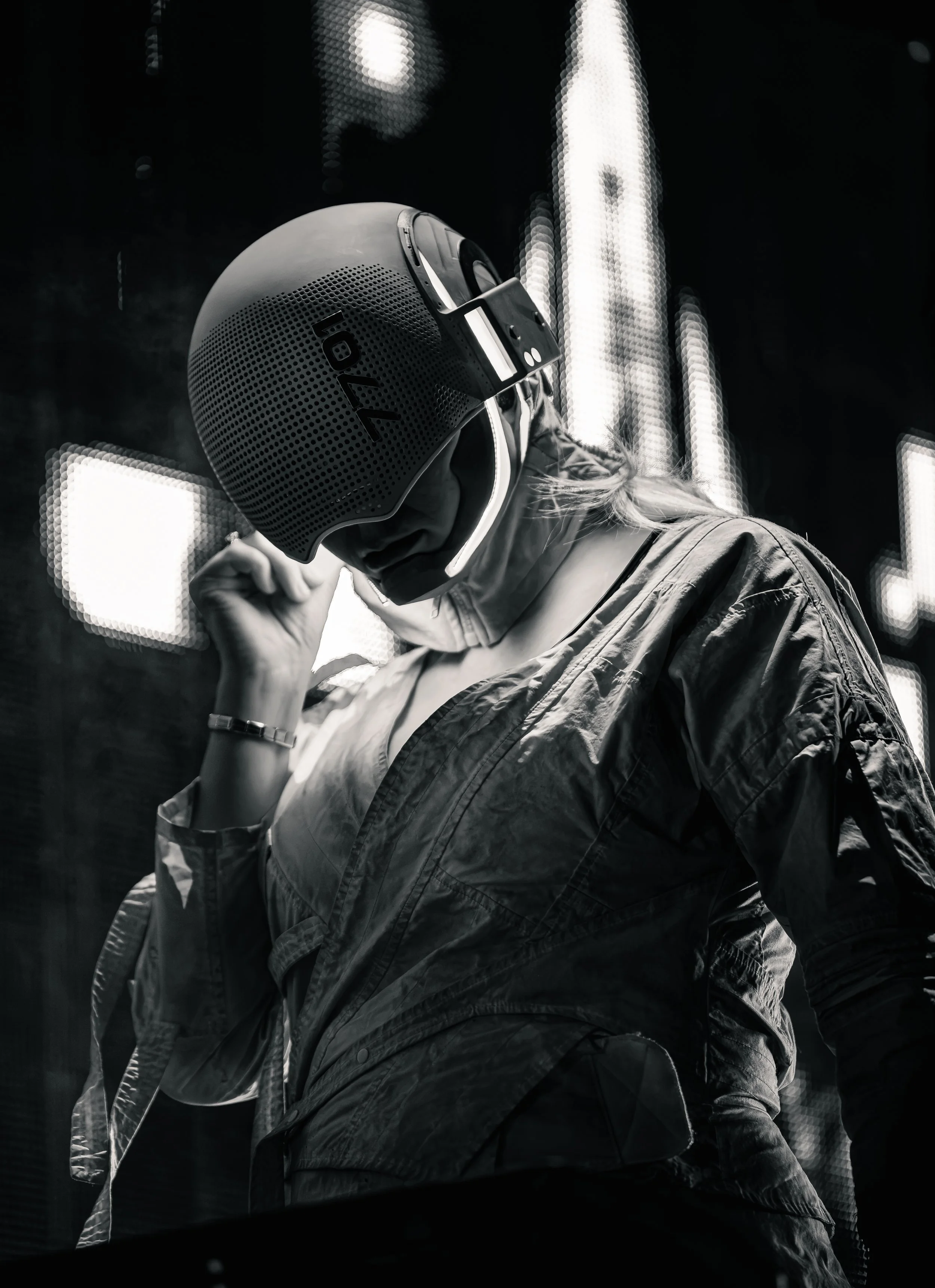
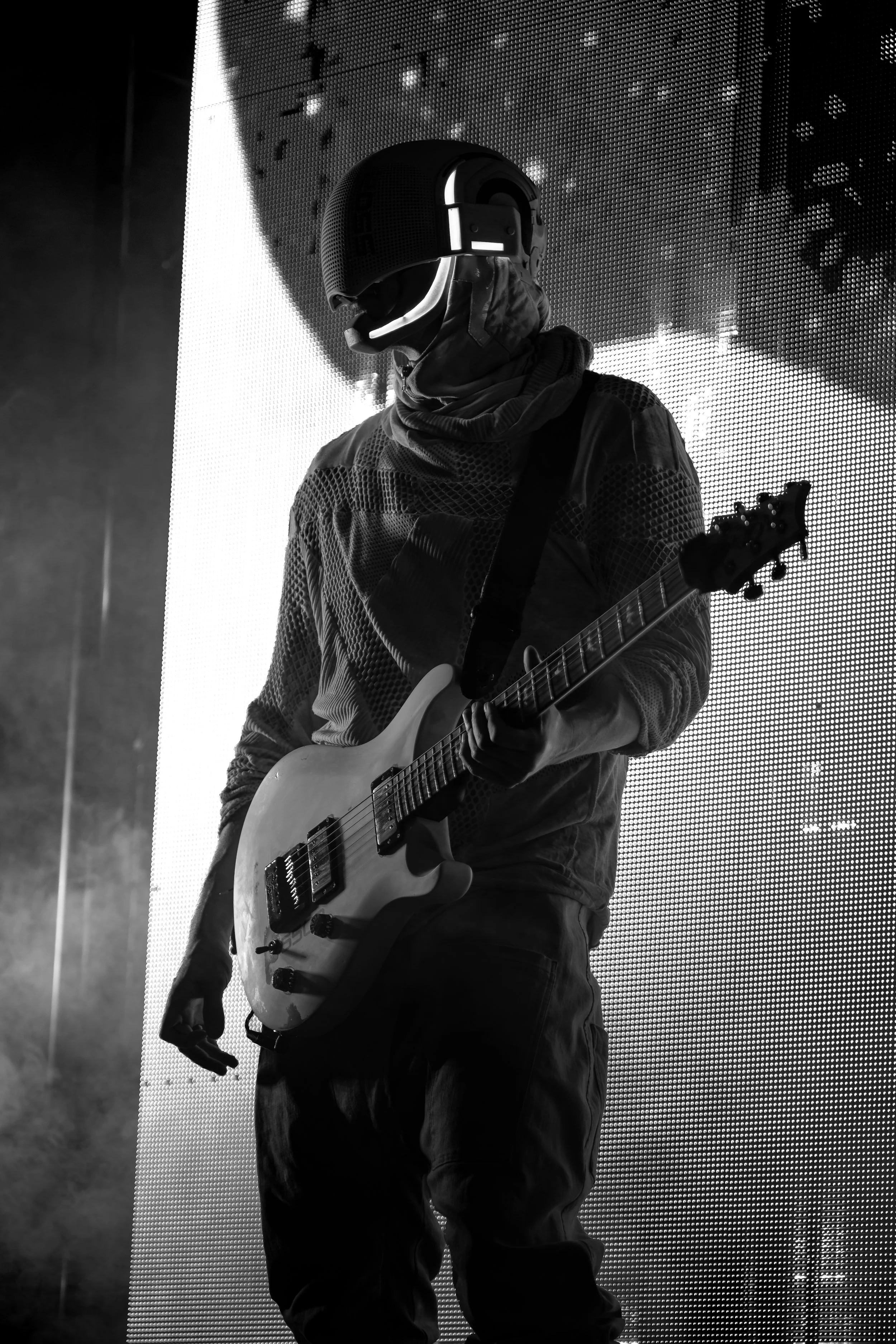
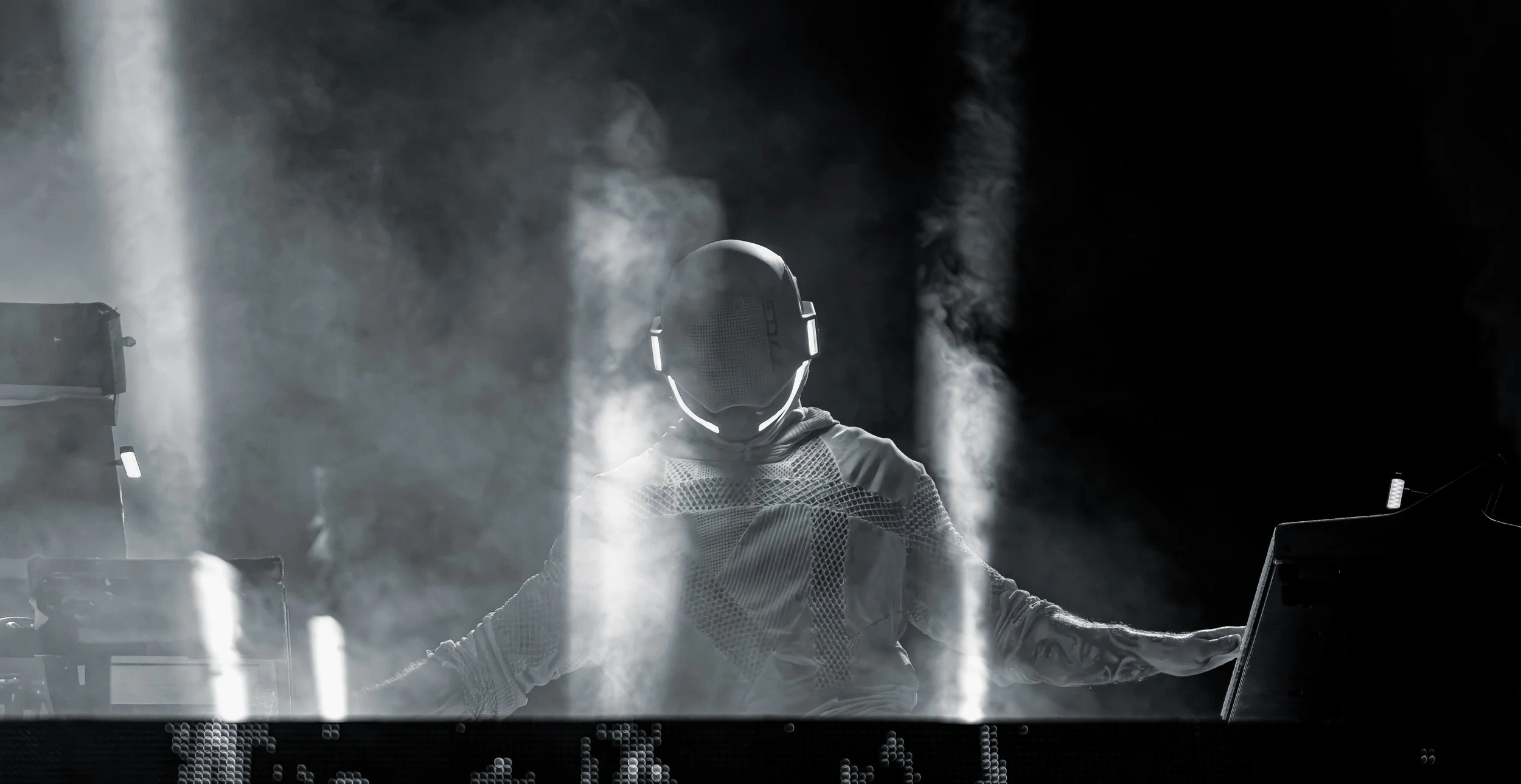
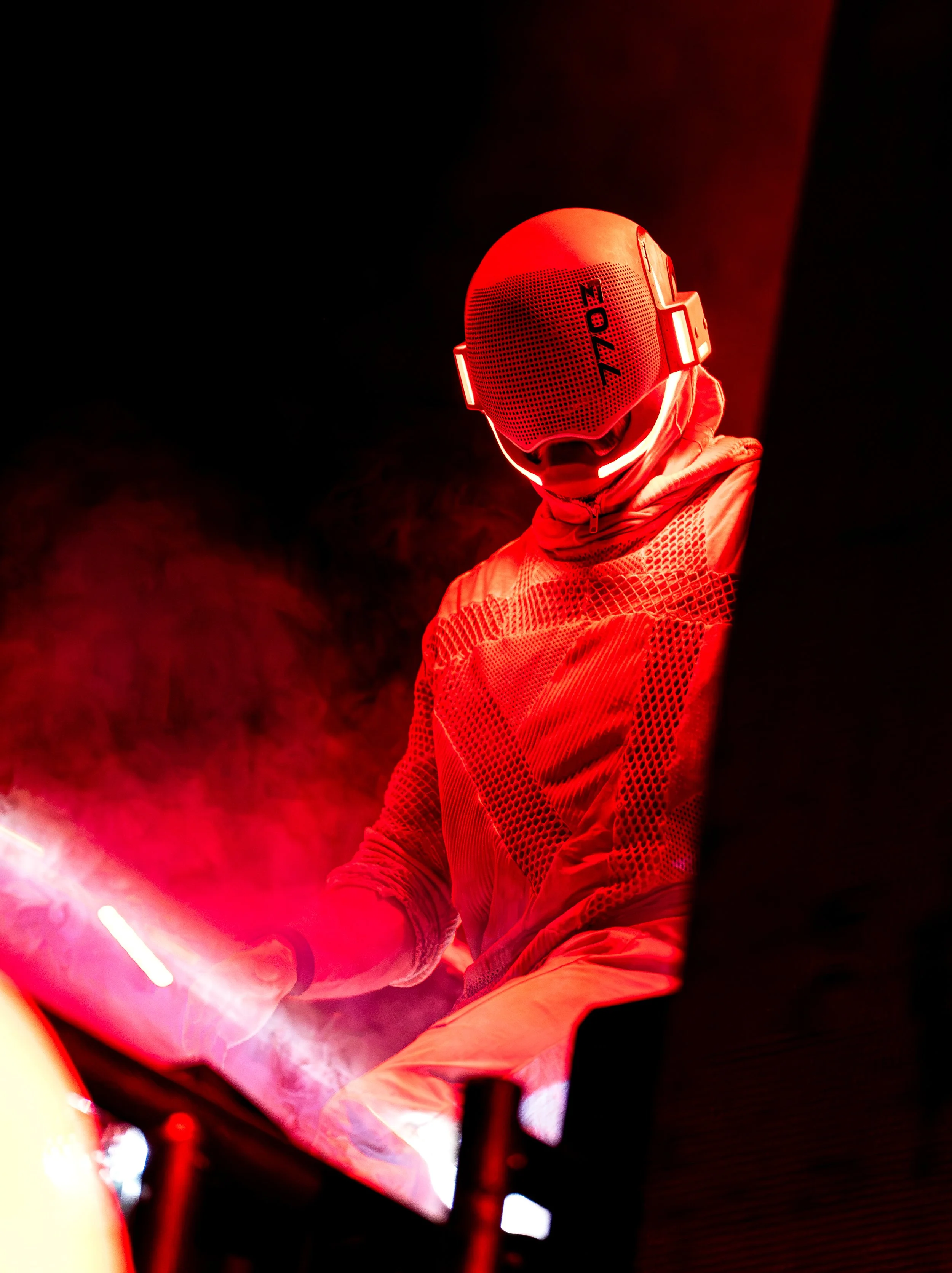
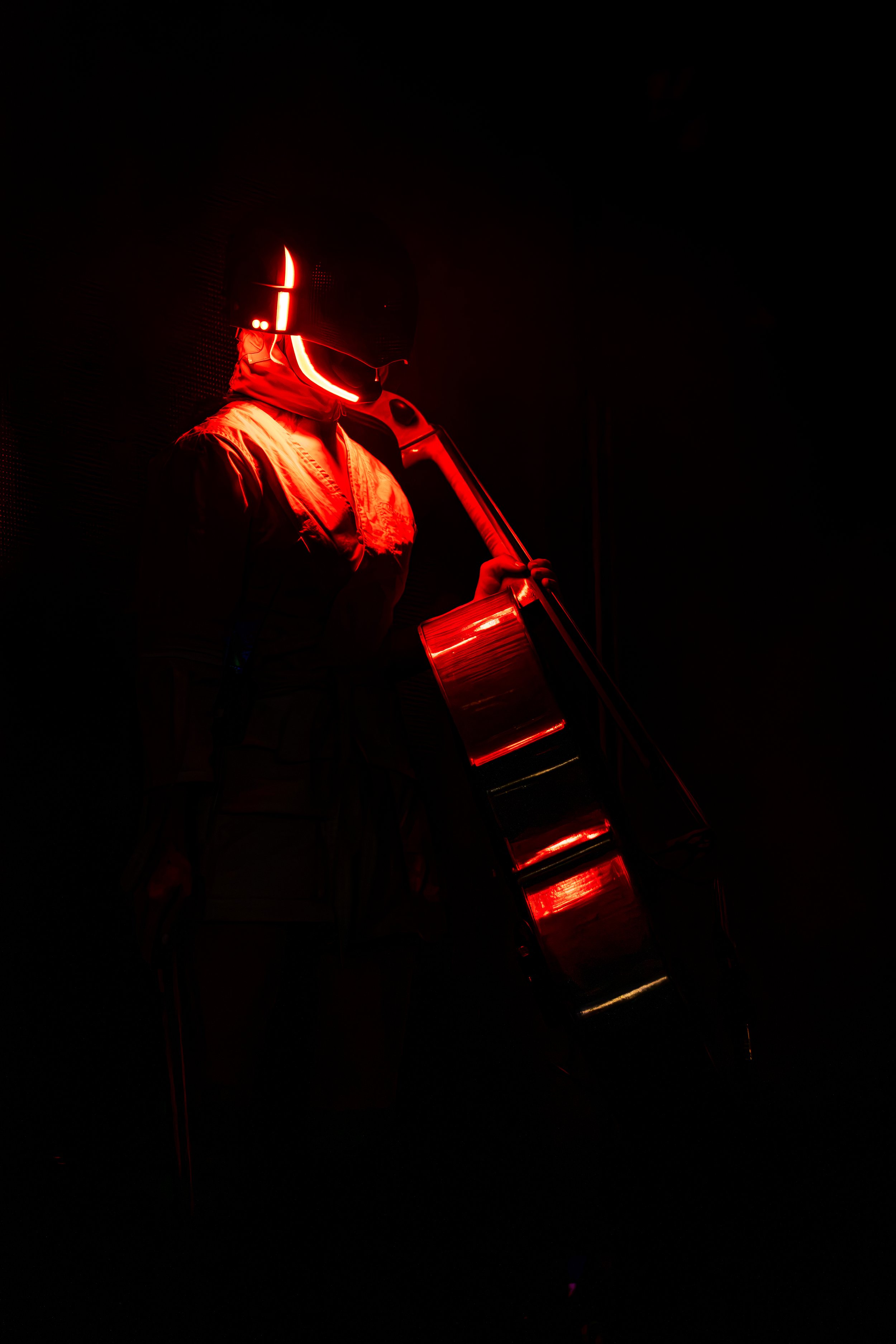
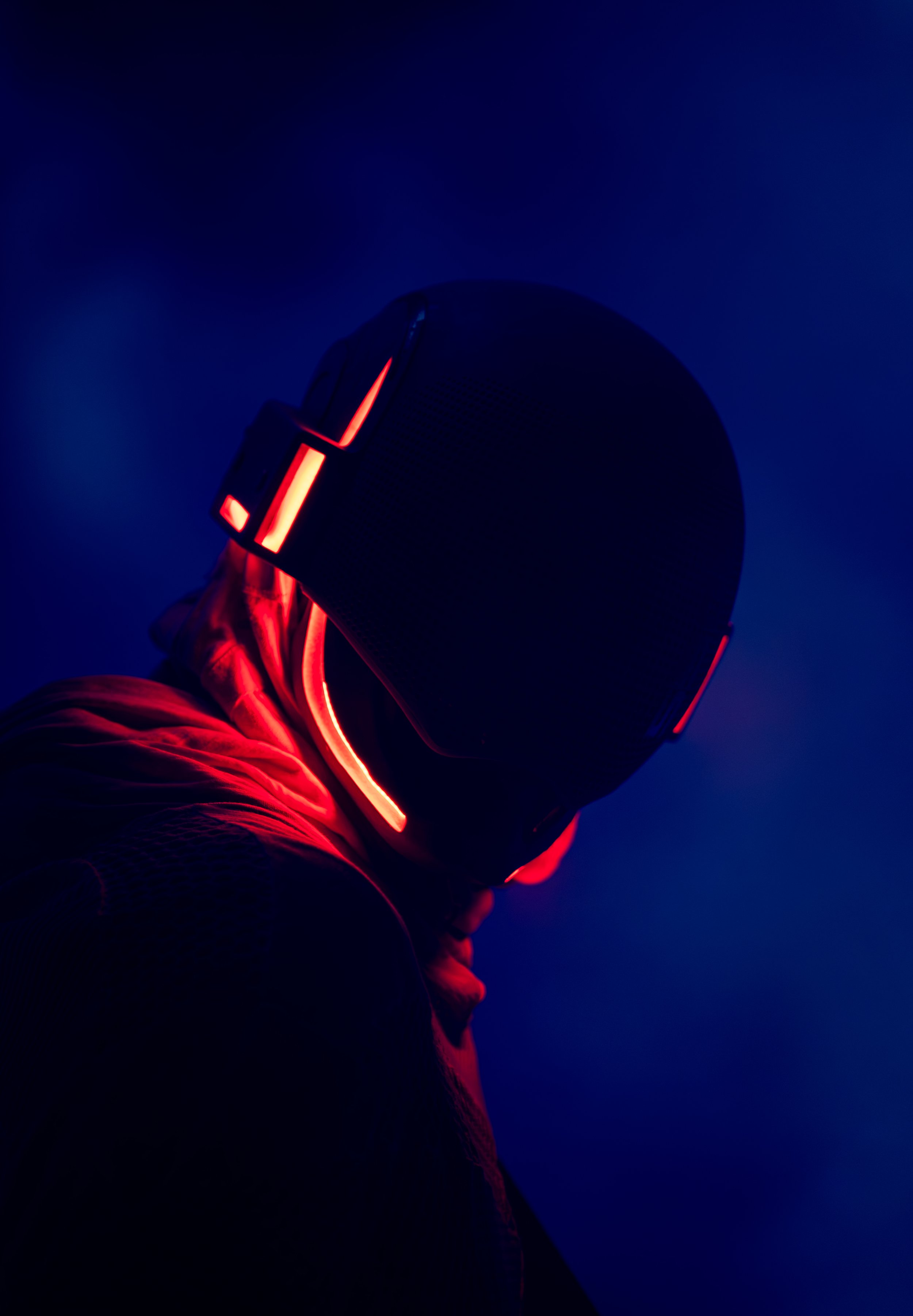
Glowing-red helmets gave the musicians an otherworldly uniformity penetrated only by each’s unique identifier on their visors. Dustin Bates emerged from the fog masked and shrouded, a foreboding statuesque “Prophet” presiding over what unindoctrinated onlookers could reasonably describe as a space cult. Fierce performances from a mix of classical violin (Siobhán Richards) and cello (Zuzana Engererova) and a more conventional rock ensemble imbued the stage with an unsettling ceremonial energy. Unsatisfied with simple filigree and set dressing, STARSET created a melodramatic space opera from the ground up.
With its original septet still touring strong, STARSET offered an element of continuity beneath the lore crafting and expanding mythology. But their demonstration was hardly confined to established material: “p a r a d 0 x 1 c” (August 31) and “a n n 1 h 1 l a t 1 0 n” (September 11) brought newly released music into the fray, giving the audience a glimpse of the band’s developing direction with more to come being promised.
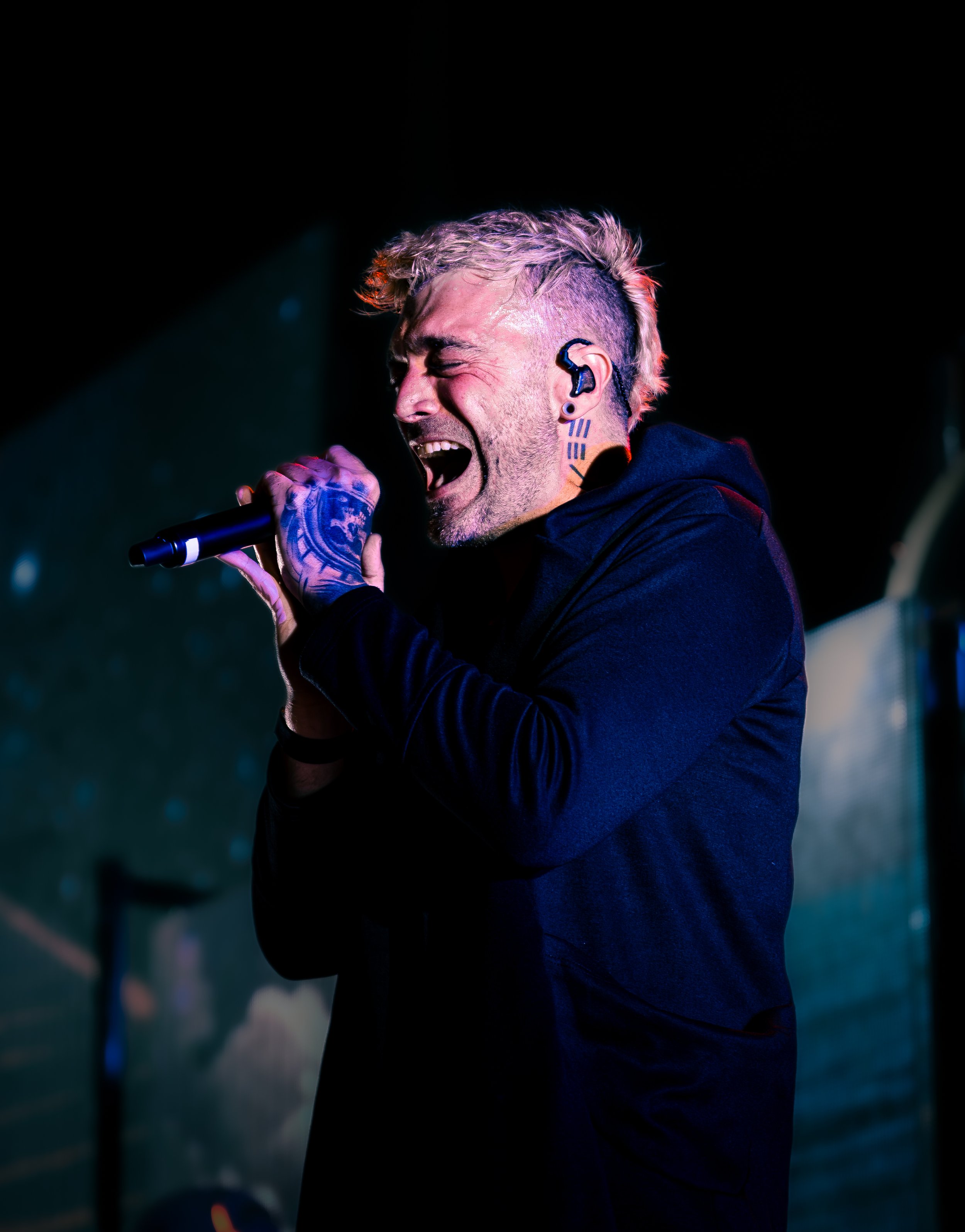
Breaking Benjamin traded that futuristic ritual for more immediately familiar tone. “I Will Not Bow” and “Until the End” opened their set with paired statements of undying, before “Evil Angel” and “Crawl” ventured into darker emotional territory. Across the opening and throughout the night, Benjamin Burnley’s voice was a defining strength: deep, resonant, and remarkably faithful to the CD recordings.
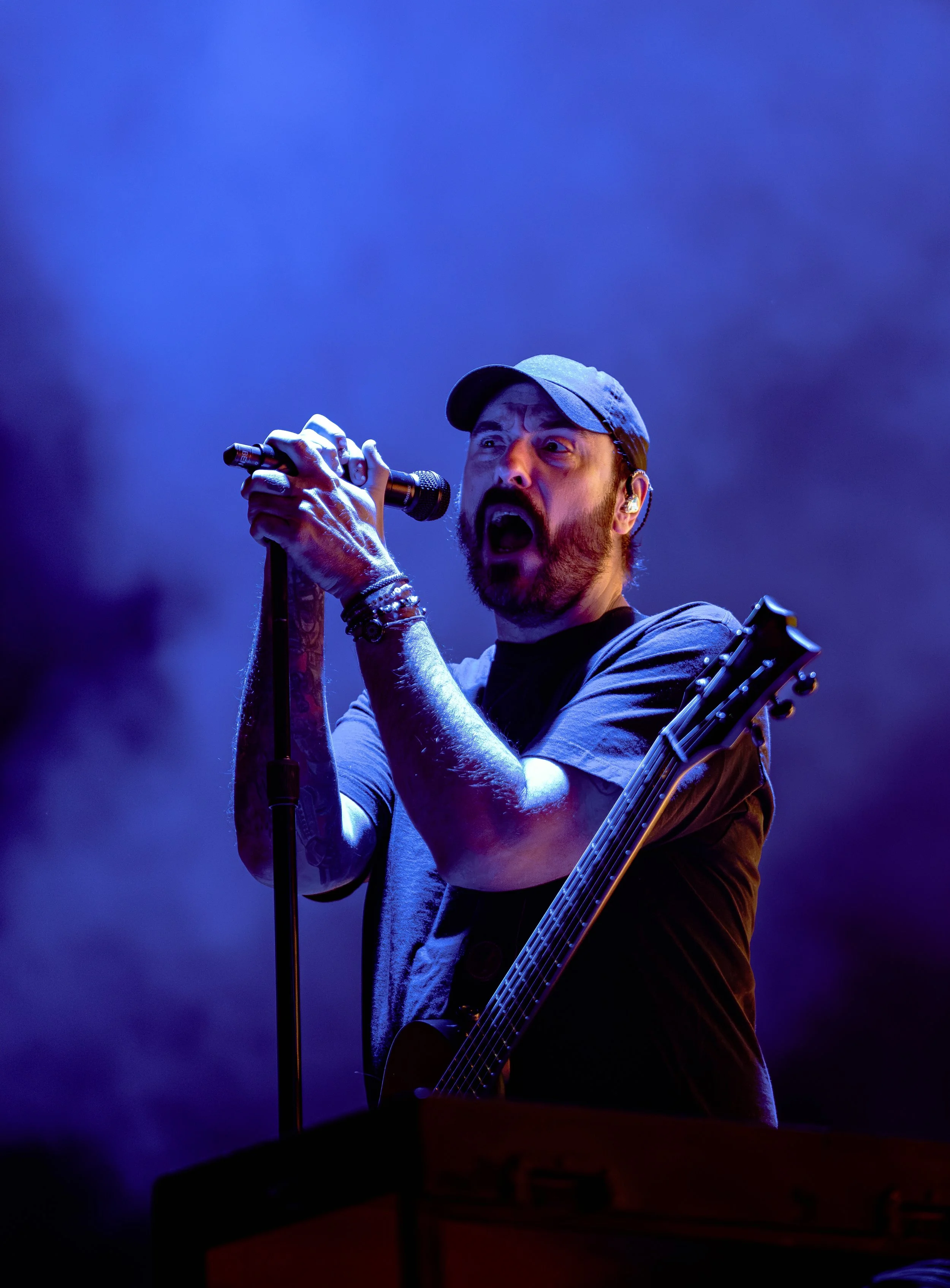
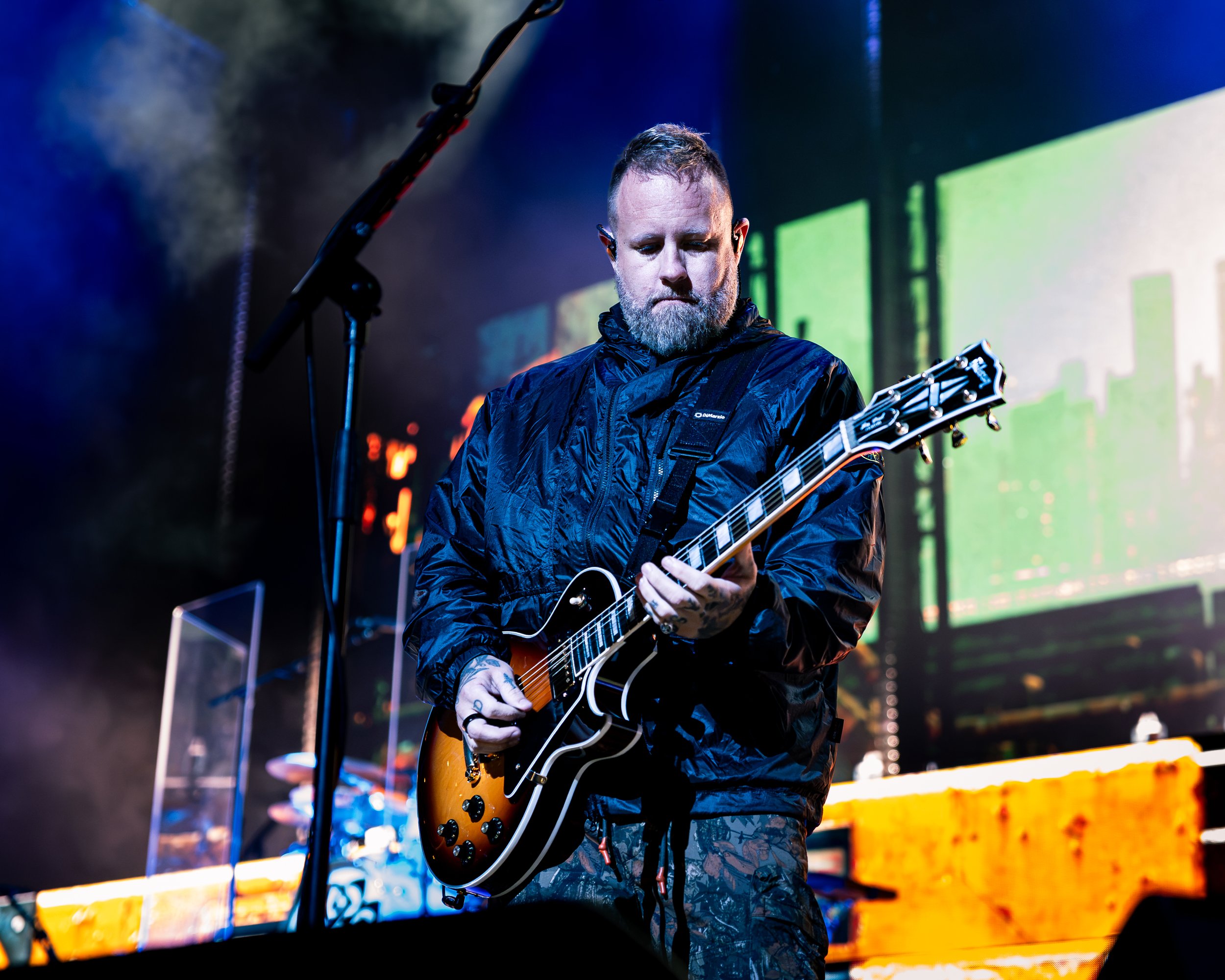
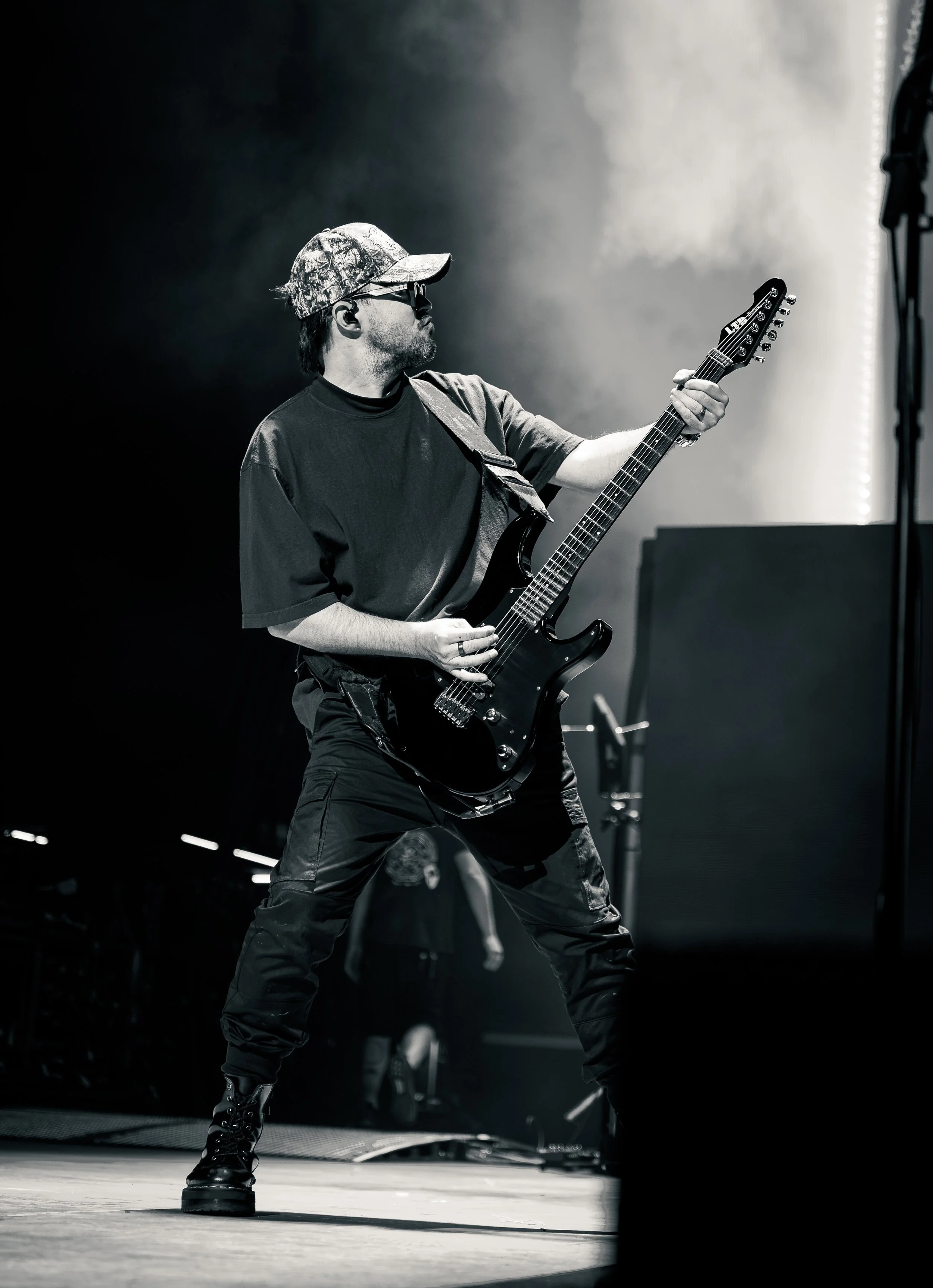
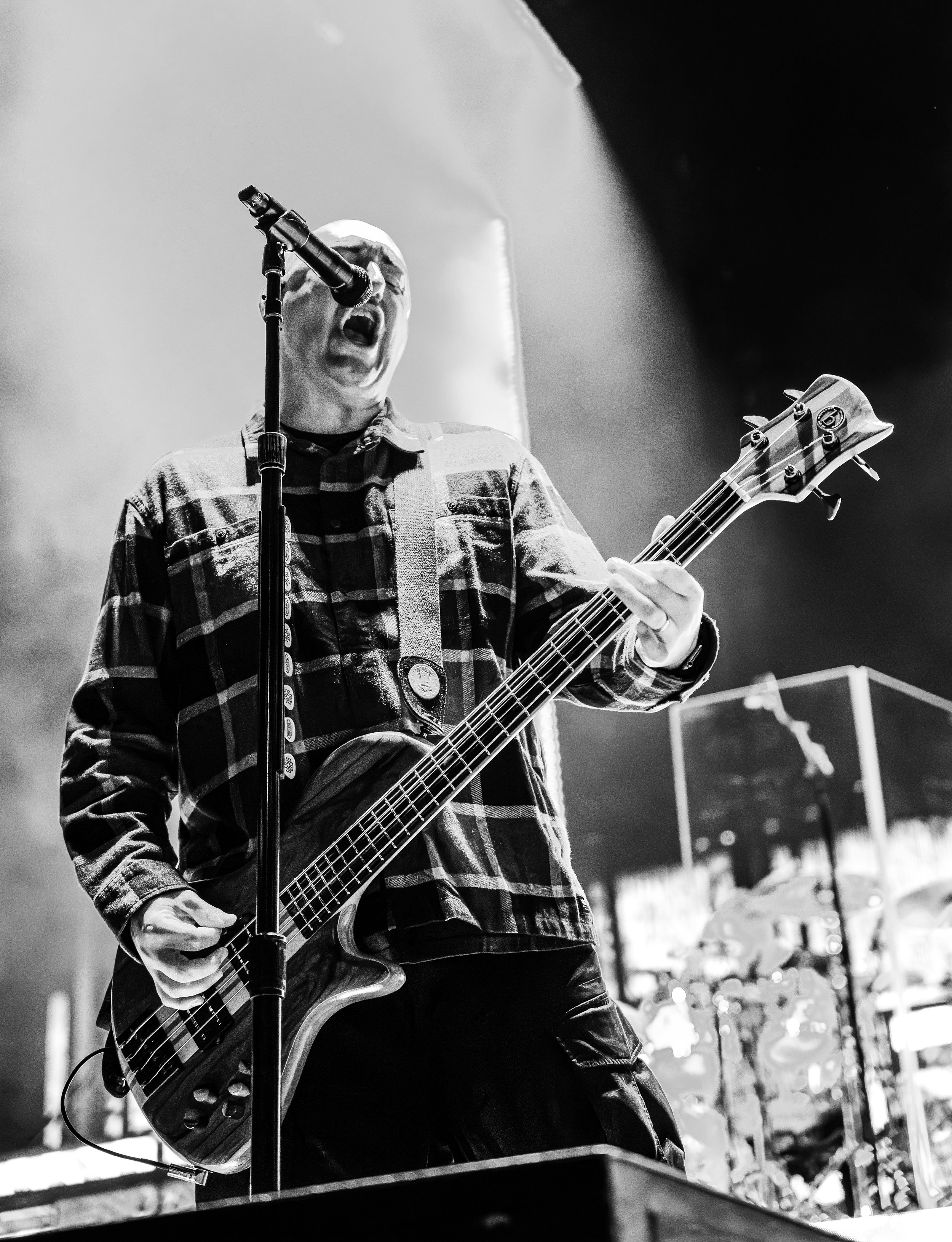
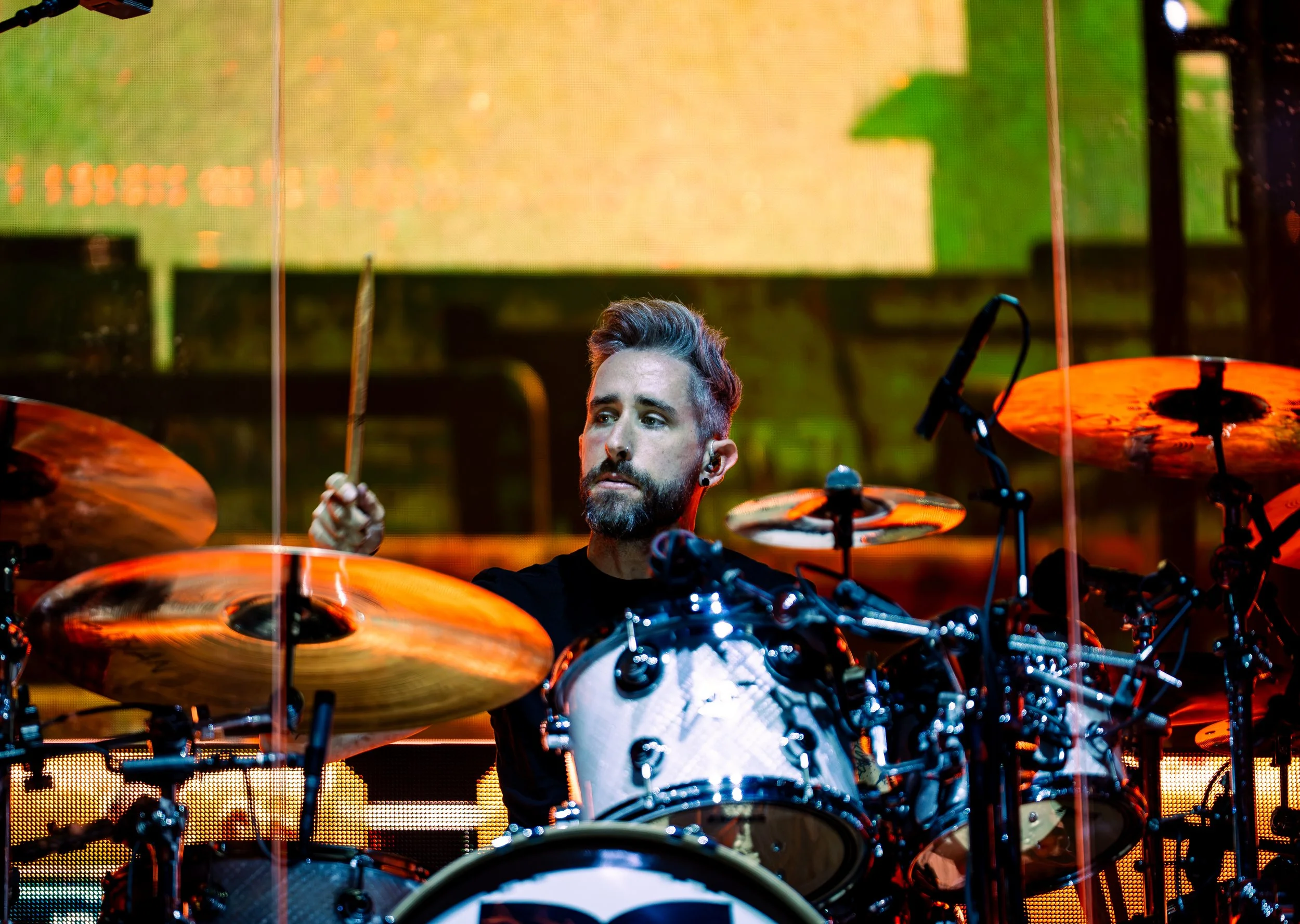
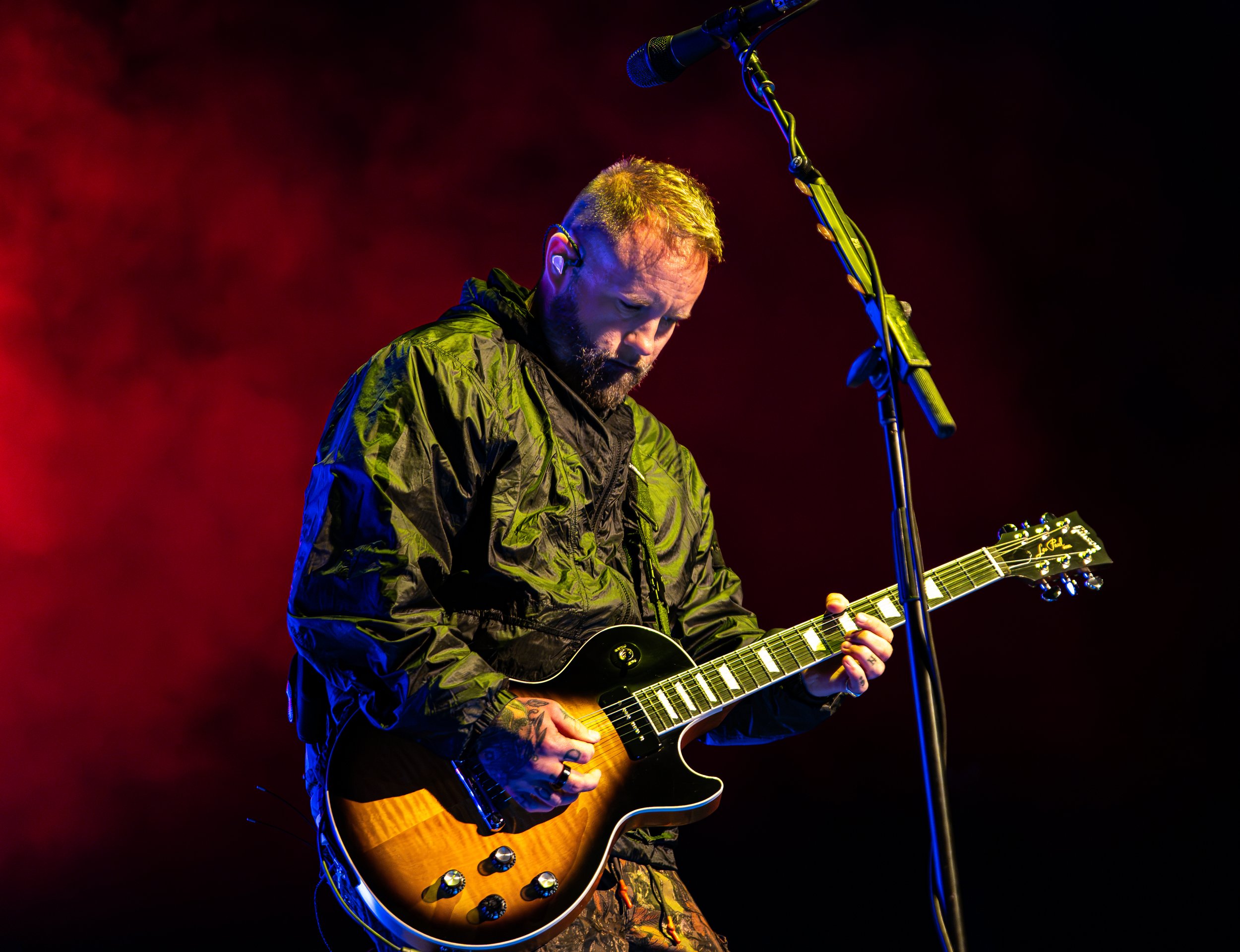
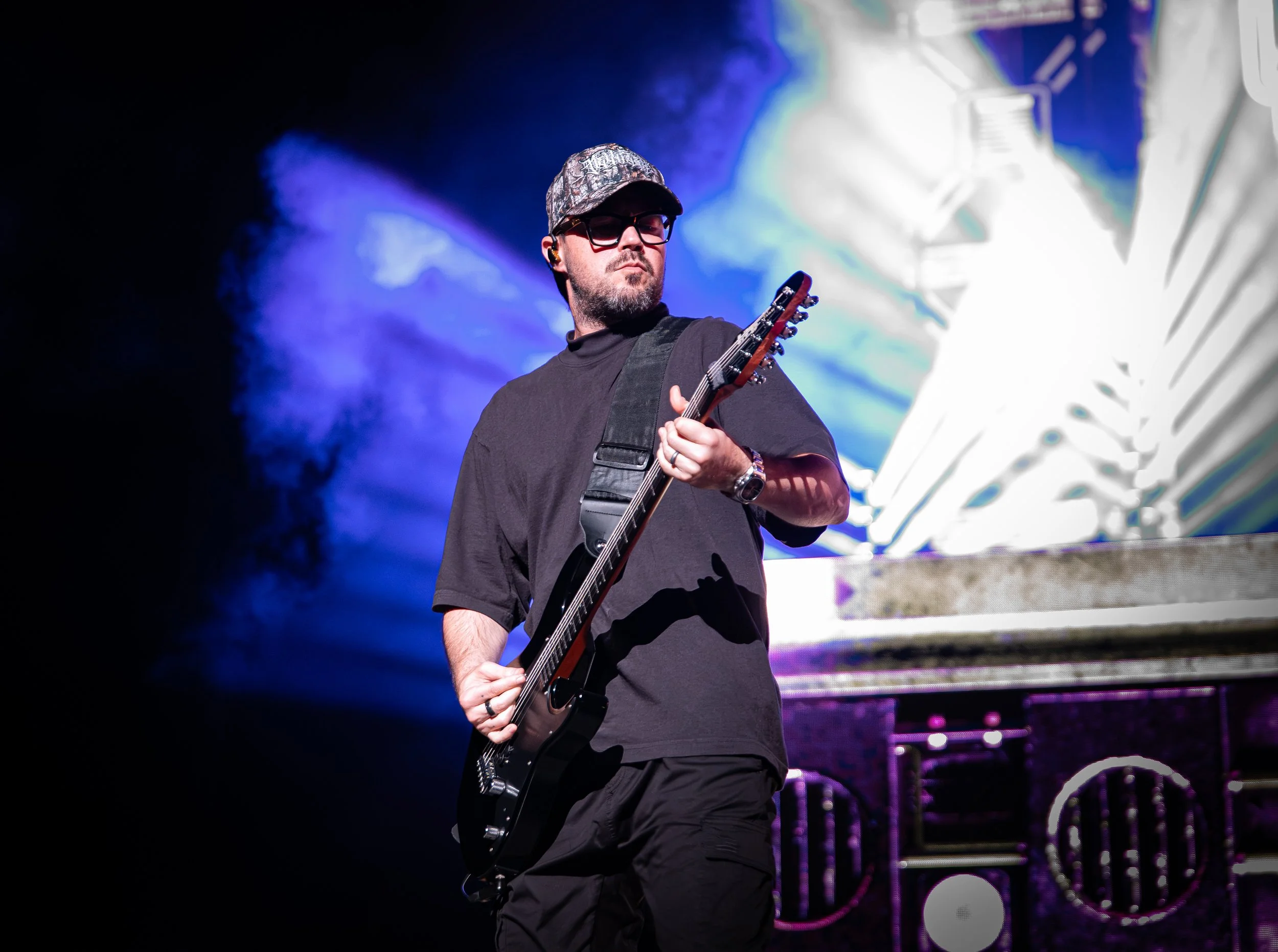
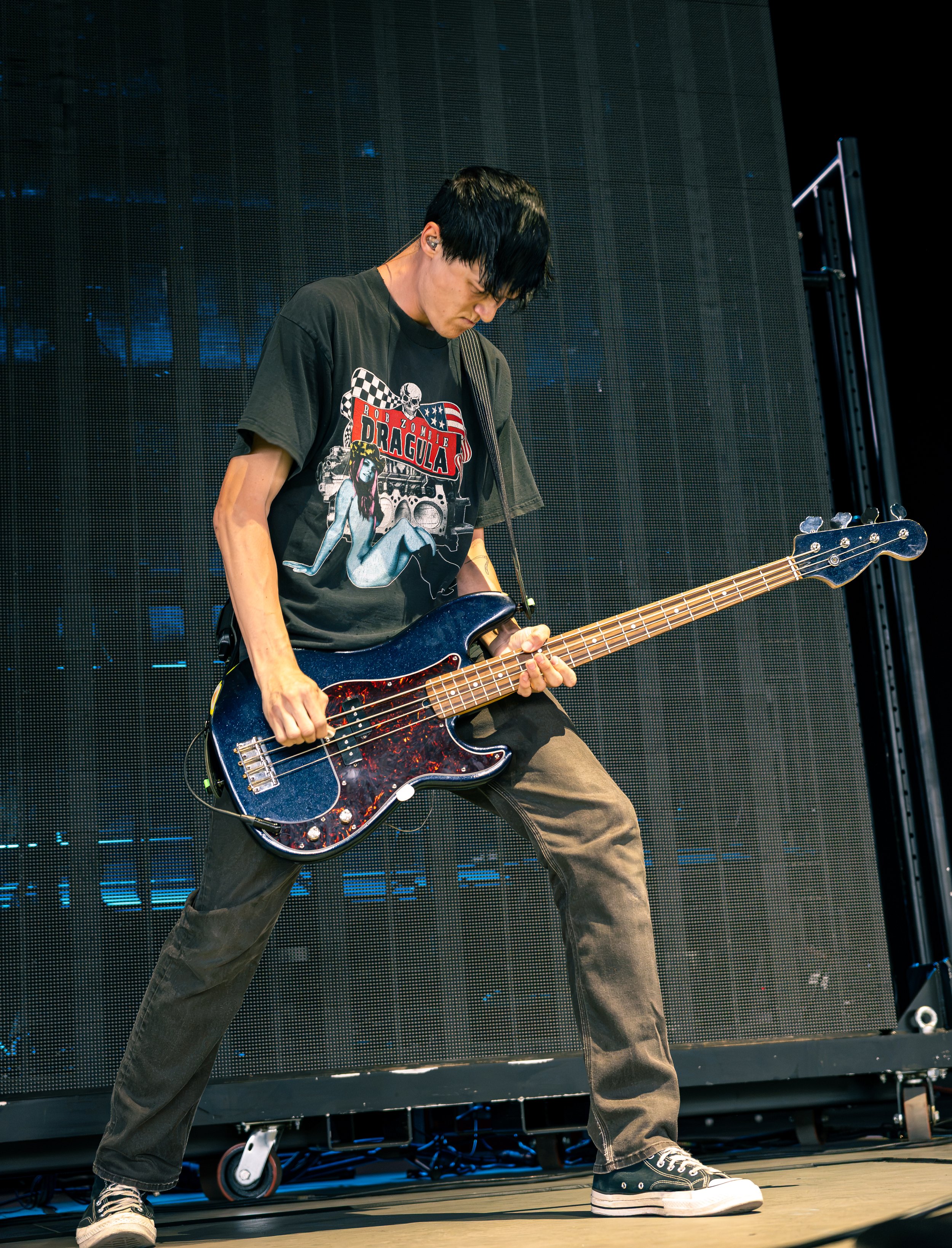
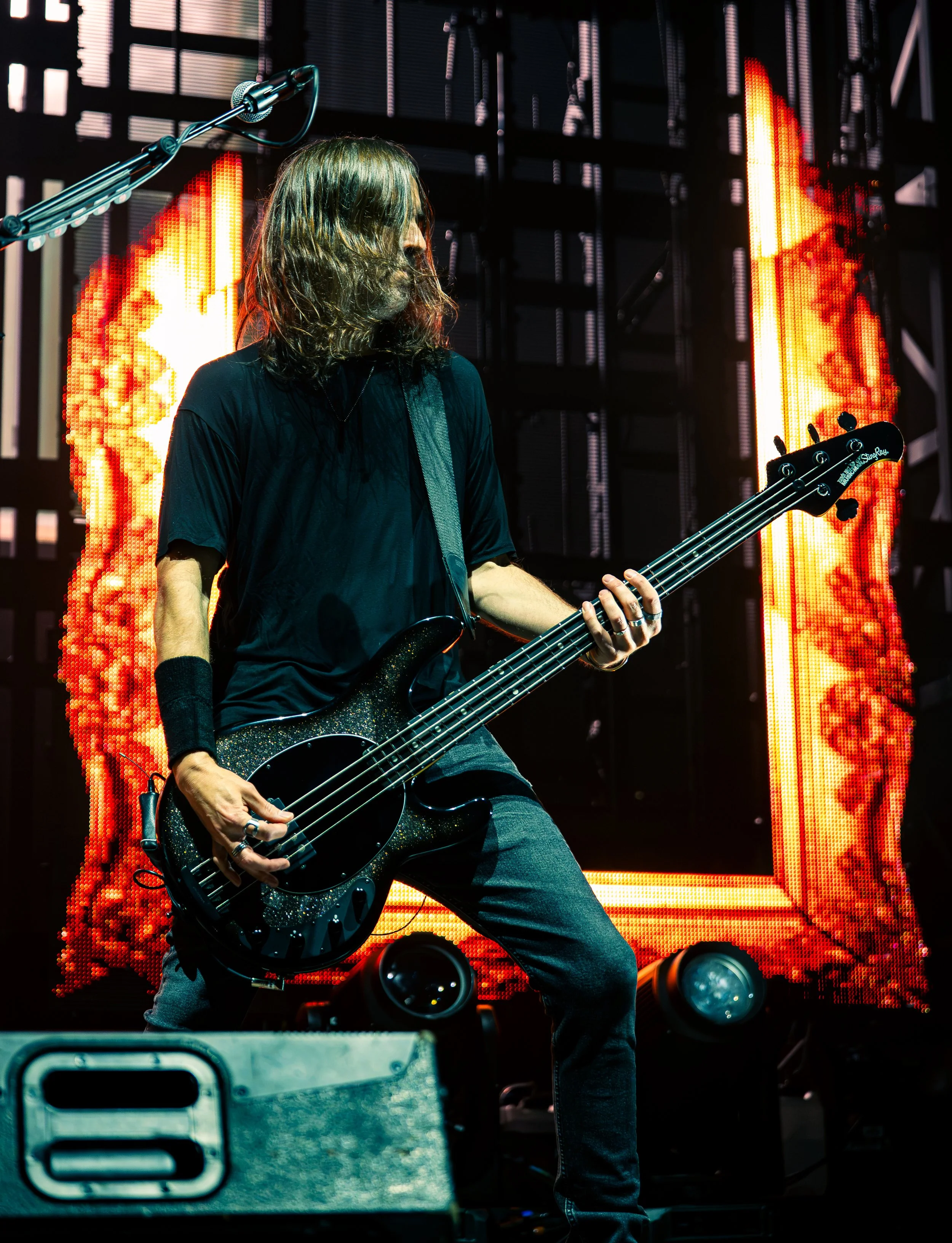
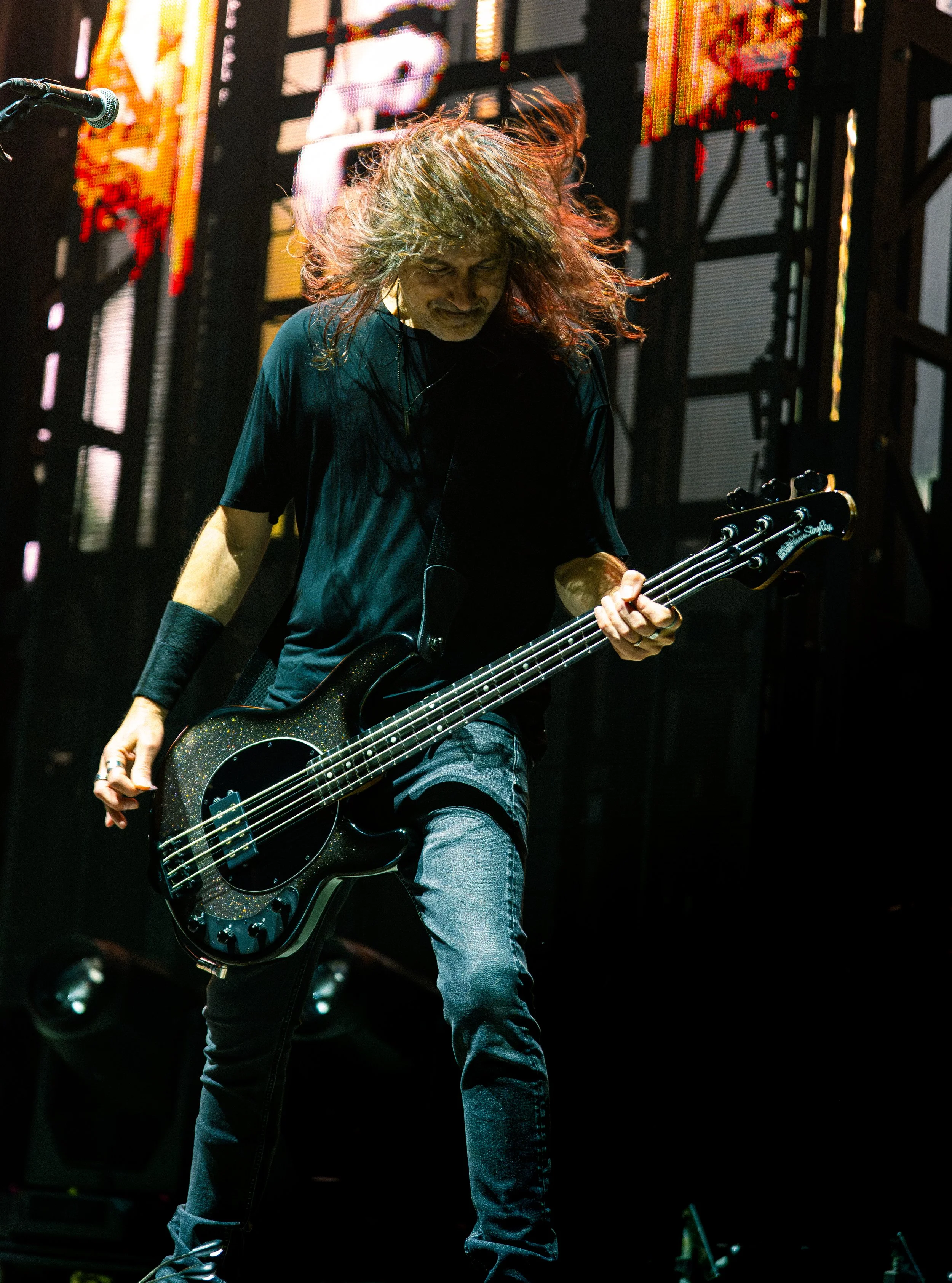
Though Burnley certainly did not break on stage, he did not need to carry every vocal demand alone. Aaron Bruch (bassist) supplied substantial support, providing the gut-wrenching growls of the more vicious moments. The juxtaposition worked delightfully, allowing Burnley’s melodic depth and Bruch’s harsher attack to navigate the listener through the gauntlet of the group’s lyrical battles. The heaviness bit with teeth, but it didn’t swallow the reprieve of the melodies.
After “Red Cold River,” “Blow Me Away” produced one of the evening’s clearest peaks. The full mass of fist-pumping self-described “’80s kids” joined in across the amphitheater, turning the song into a full-crowd singalong while a pixelated, Halo-themed take on DOOM unfolded onscreen. While the crowd of the night clearly leaned towards those that had fond memories of the dial-up modem, Walkmans, and MapQuest, there was no shortage of a newer generation in tow alongside eager metalhead parents.
The gaming imagery was more than a random nostalgic flourish. “Blow Me Away” drew critical acclaim, having appeared on the original Halo 2 soundtrack in 2004, and its instrumental version accompanied combat during the game’s “Gravemind” mission. For listeners whose formative years were spent behind the “family PC,” the connection offered two routes back to the same period of their lives. Between the opening computer sequence and the 8-bit visuals accompanying “Blow Me Away,” Breaking Benjamin made that shared culture part of the show’s personality.
“Follow,” “Angels Fall,” and “You” carried the set forward, with “Angels Fall” bringing another especially strong audience response. Its reception demonstrated that the crowd’s emotional link extended far beyond the night’s most obvious songs.
The middle stretch balanced recognition with atmosphere. “So Cold” and “Polyamorous” provided a concentrated pairing of favorites before “Dear Agony” and “Something Wicked” deepened the mood. “Breath” then restored the emphasis on touching lyricism and radiant melodies, keeping the set from remaining in its darkest depths for too long.
“Awaken,” “Failure,” and “Dance With the Devil” formed the final approach to “The Diary of Jane.” Alongside “Blow Me Away,” the closer drew the night’s strongest communal response, with the audience singing the stage to darkness.
The evening was a triumph for the turn-of-the-century headliner. The Windows XP gag and Halo references brought us back to a simpler time; Burnley’s resonant delivery, Bruch’s vocal rawness, and a carefully balanced set gave us depth. Breaking Benjamin acknowledged the years its audience had spent with these songs and proved they still stood strong.