
The Fray Lights Up the Huntington Bank Pavilion
The rain arrived first, as it did through much of the summer. Light, but still drawing plenty of sighs, the sprinkles lingered over the Huntington Bank Pavilion at Northerly Island as fans marched in beneath a patchy Chicago sky.
Yet, as the night kicked off, the weather had eased up, leaving iridescent clouds scattered above the lakefront and the sky glowing a fiery orange behind the stage, with iconic buildings in the background. It felt less like luck and more like a gentle foreshadowing: The Fray’s final Summer of Light tour stop would be an evening of release for all.
The audience, a cross-generational mix of millennial devotees and younger listeners finding their way into the band’s catalog, had come ready to jump and sing the night away. Hands raised high. Fans pressed toward the packed barricade. Even before the familiar songs arrived, there was a palpable sense that Chicago would make this final date a good one.
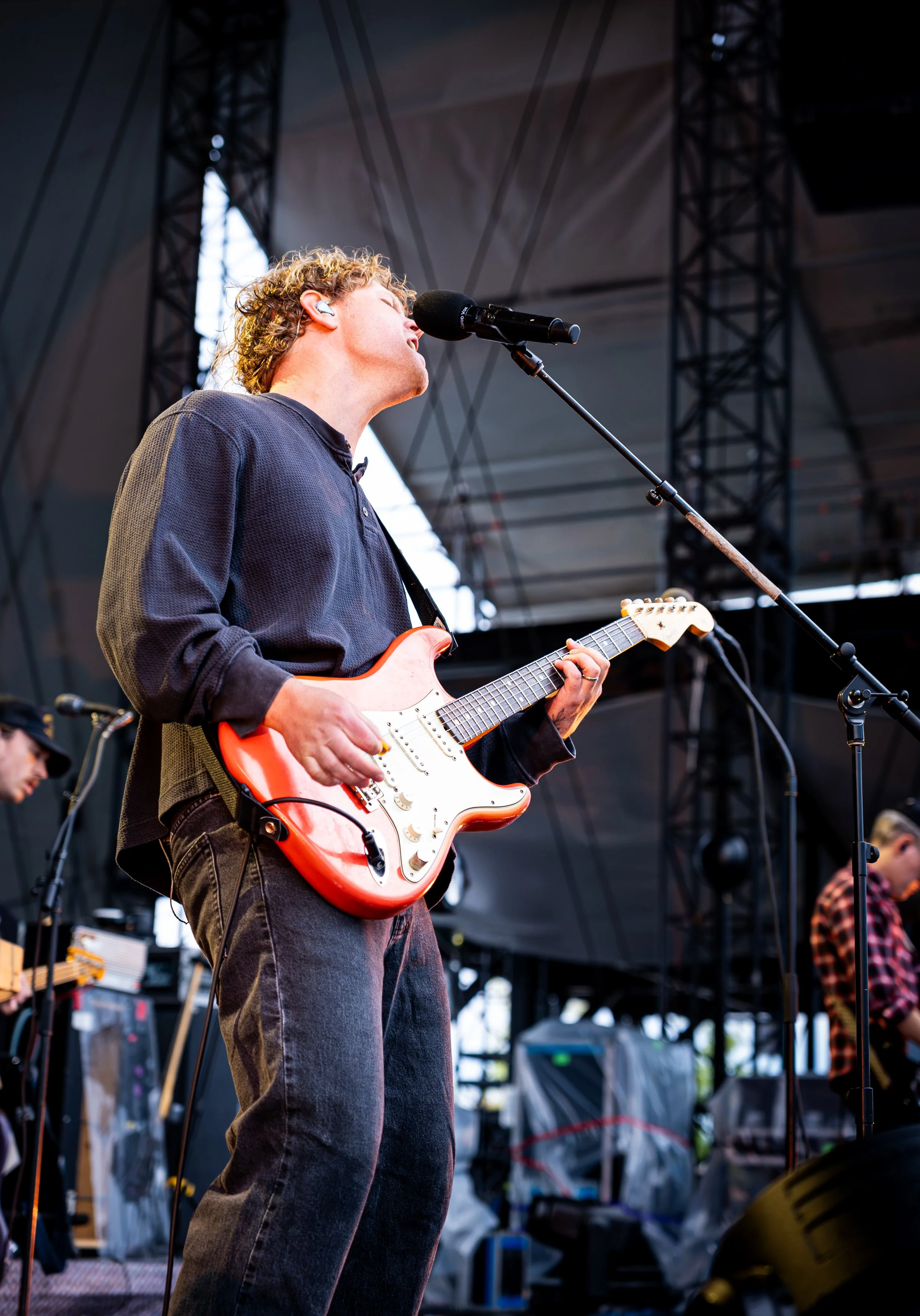
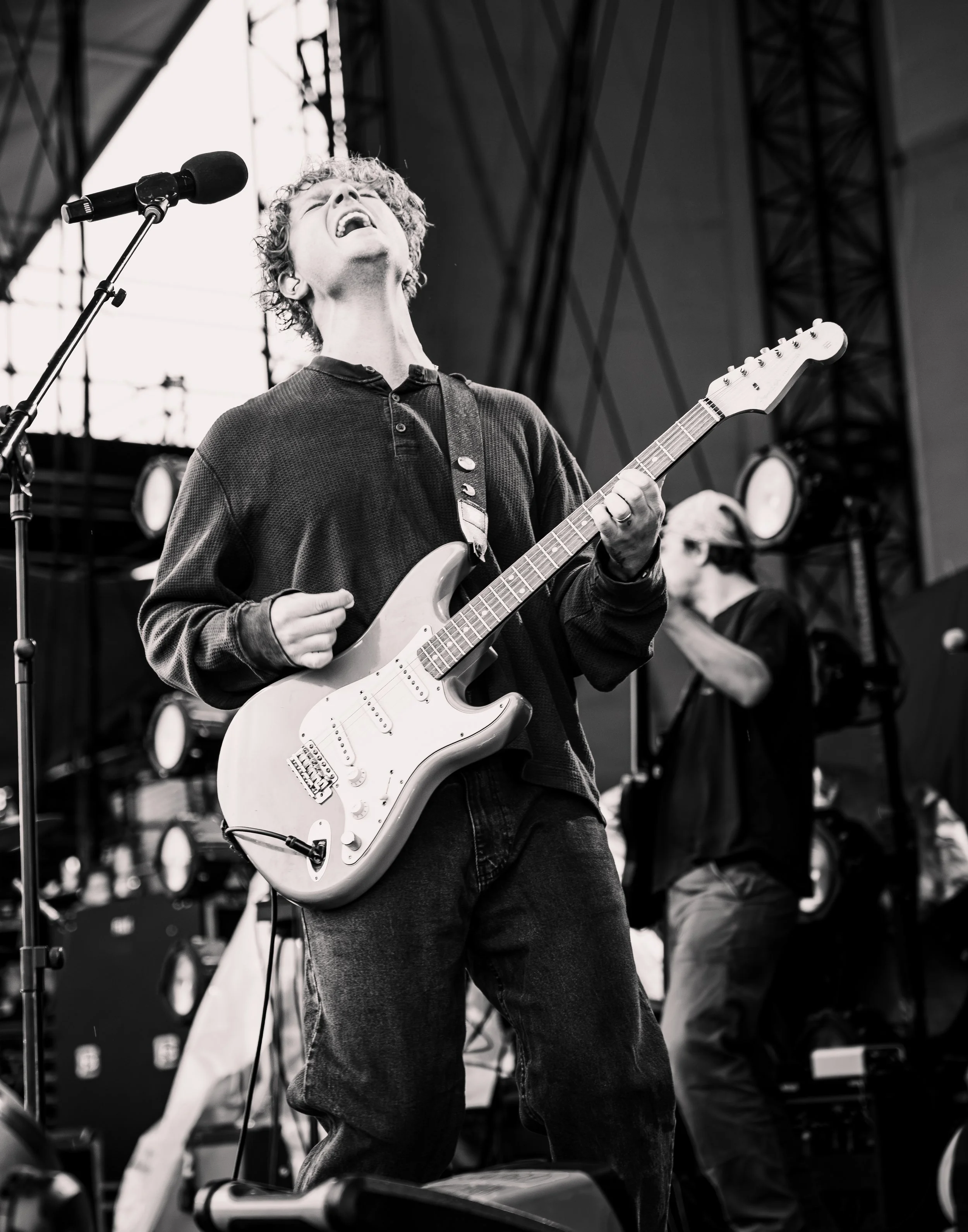
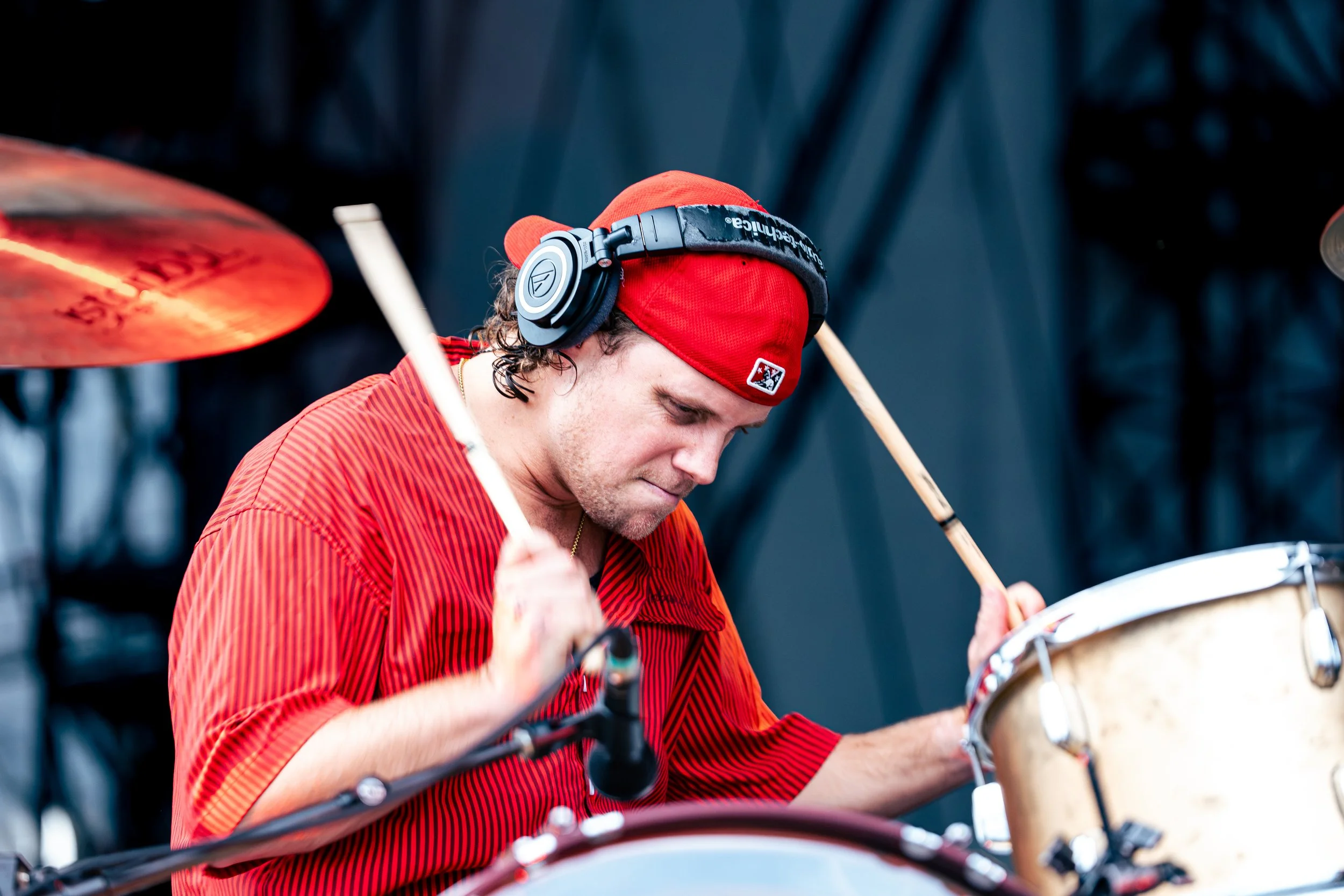
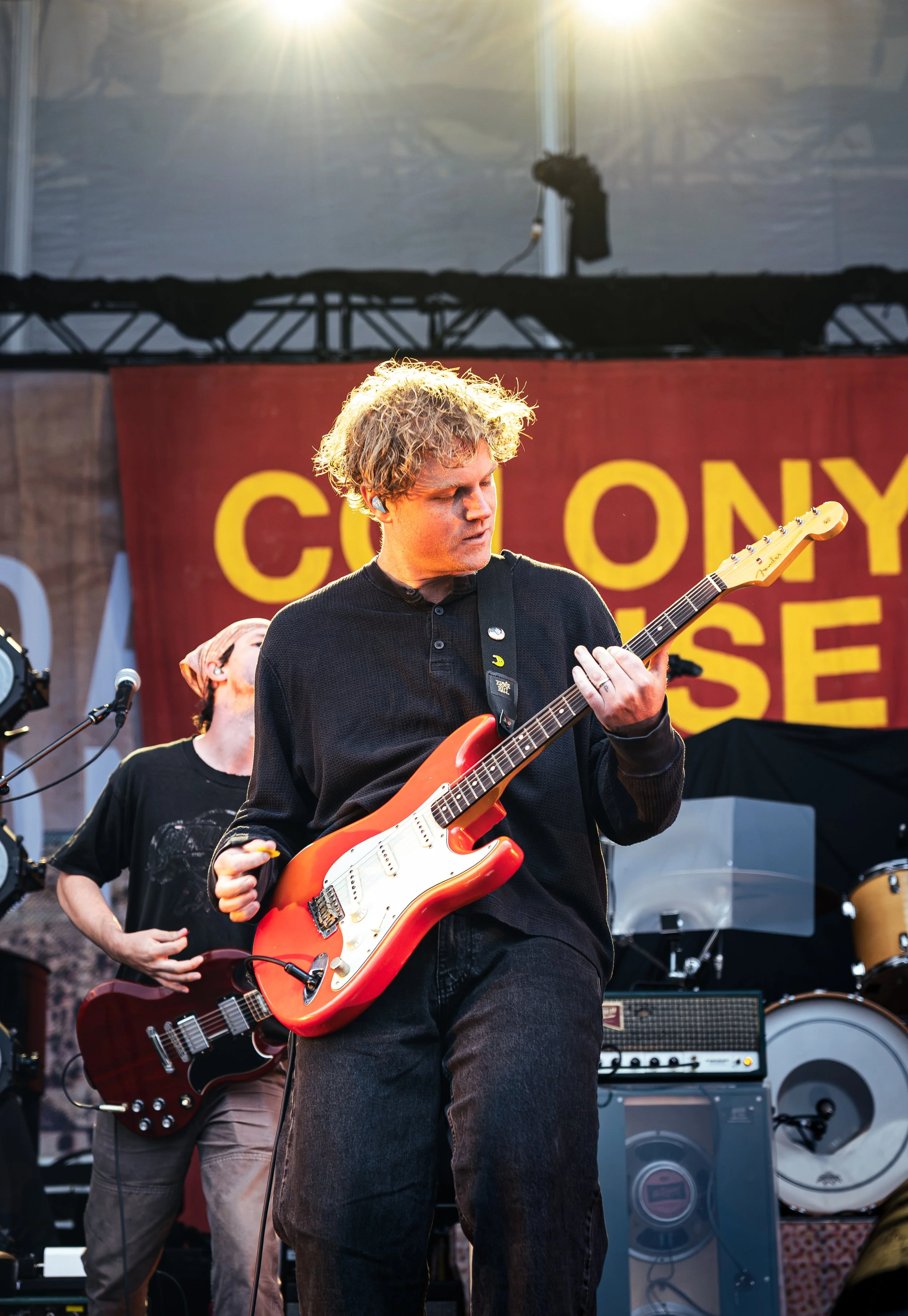
Colony House, the newer act of the night, launched with “Highwire,” leaning into its steady, rhythmic pacing rather than trying to overwhelm the gently filling amphitheater. It was an effective choice. The midpoint of their thirty-minute set seemed to be a pivotal point, when a crowd that had largely arrived unfamiliar with the Nashville group began to meet the music on its own terms.
The quartet may have been the evening’s “catch of the day.” Several attendees said the name did not ring any bells, but Colony House’s songs found their natural home alongside The Fray’s emotional, melody-forward sensibility. They accomplished what an opening set should do, replacing anticipation for the night with pulsing momentum.
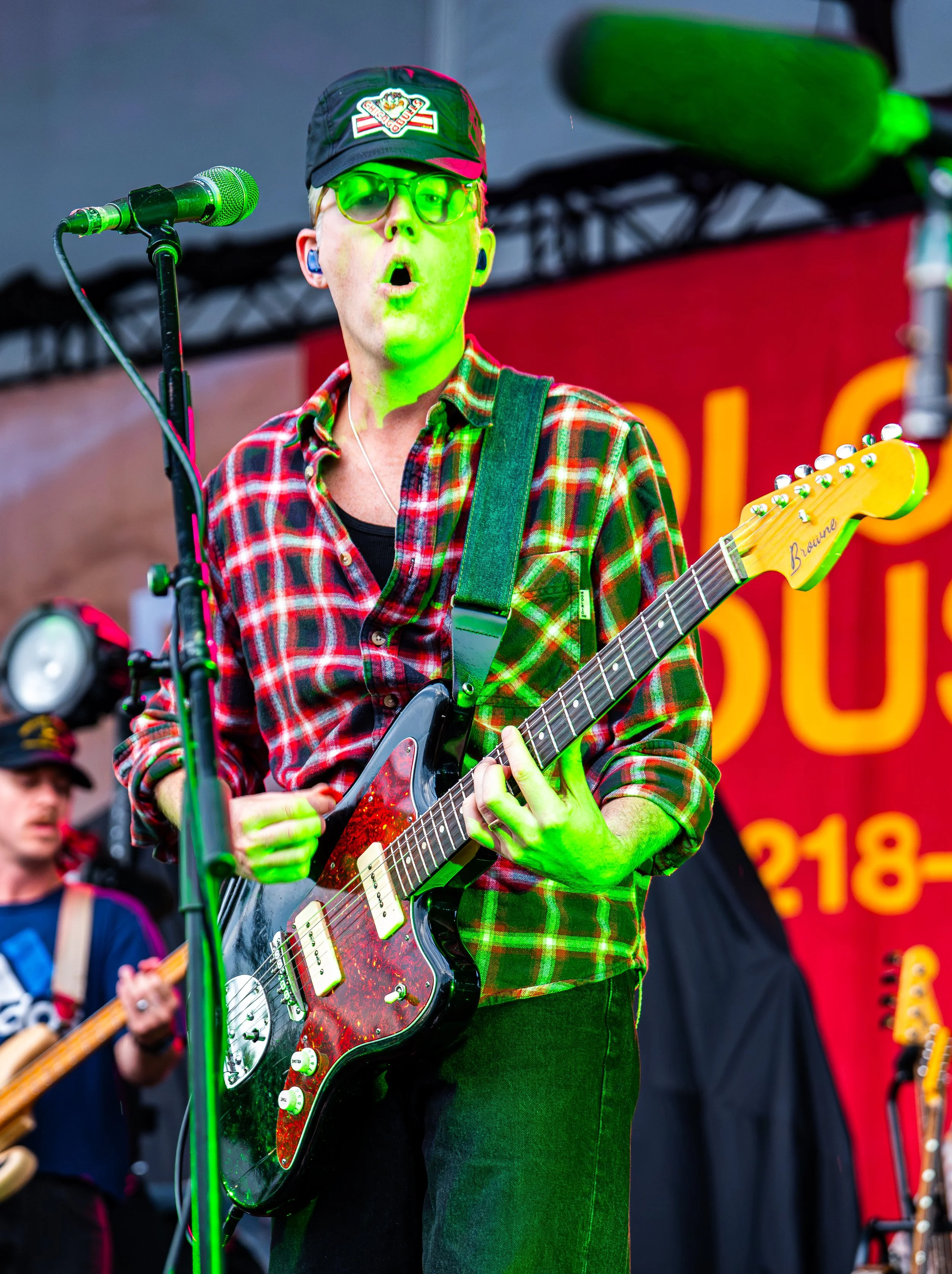
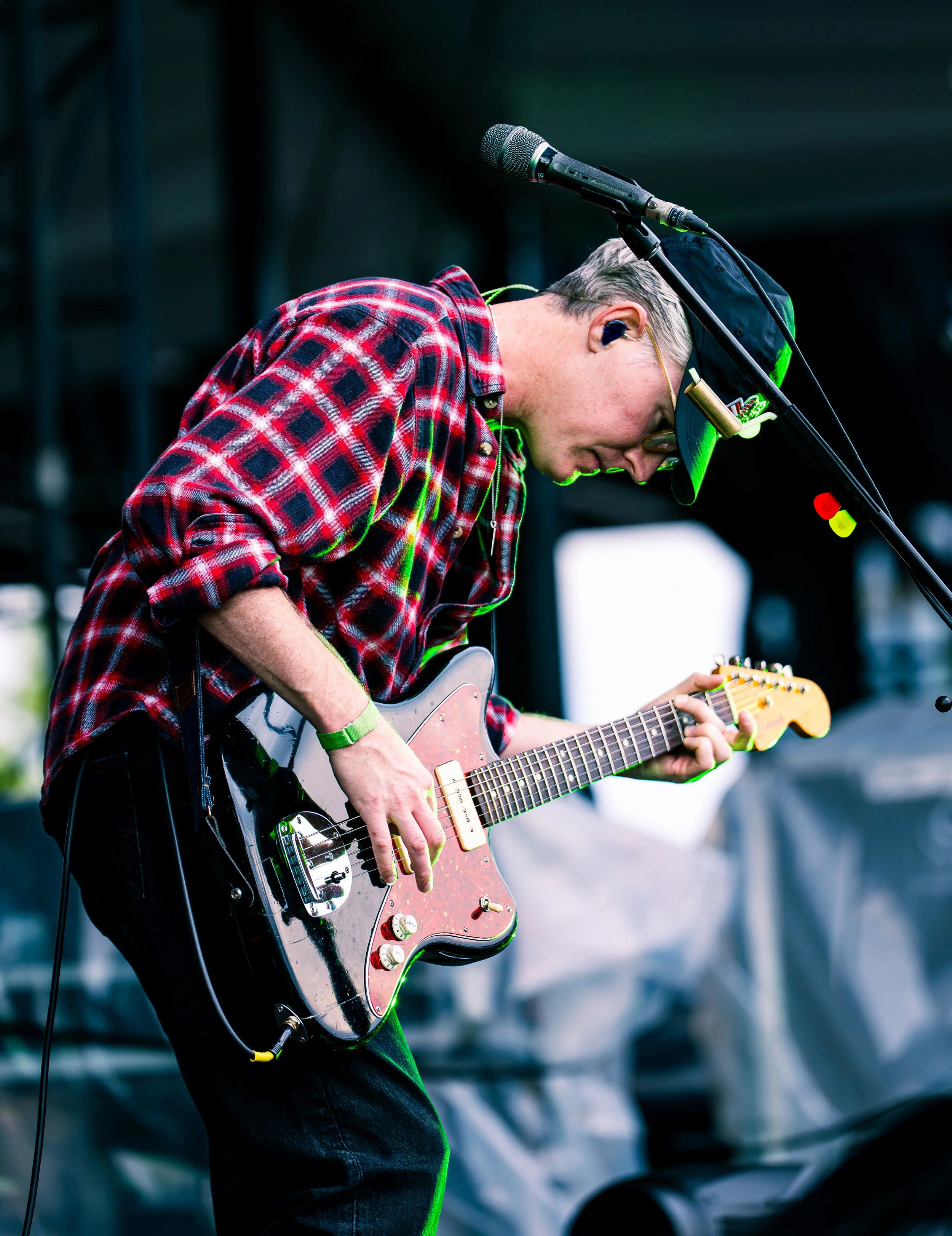
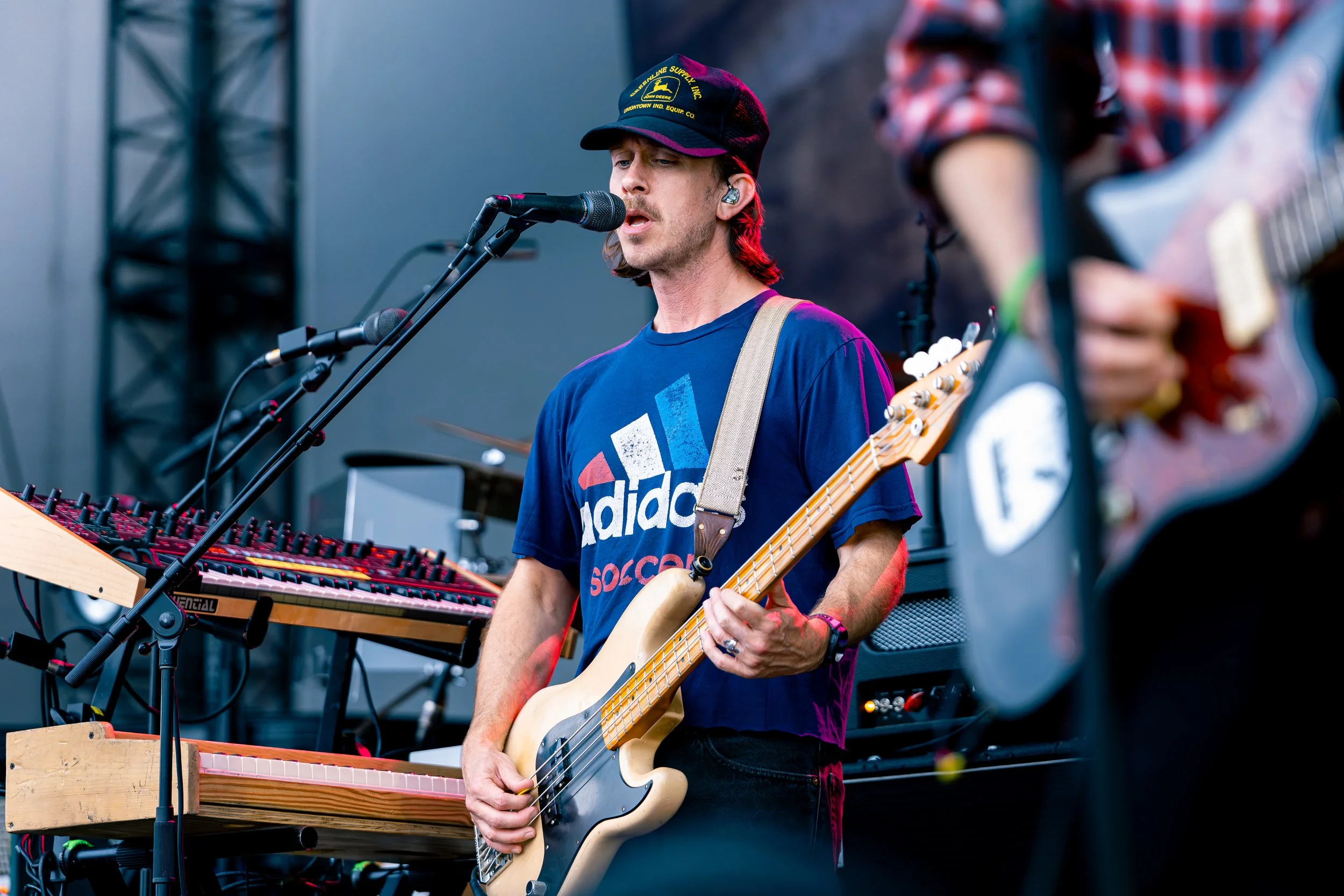
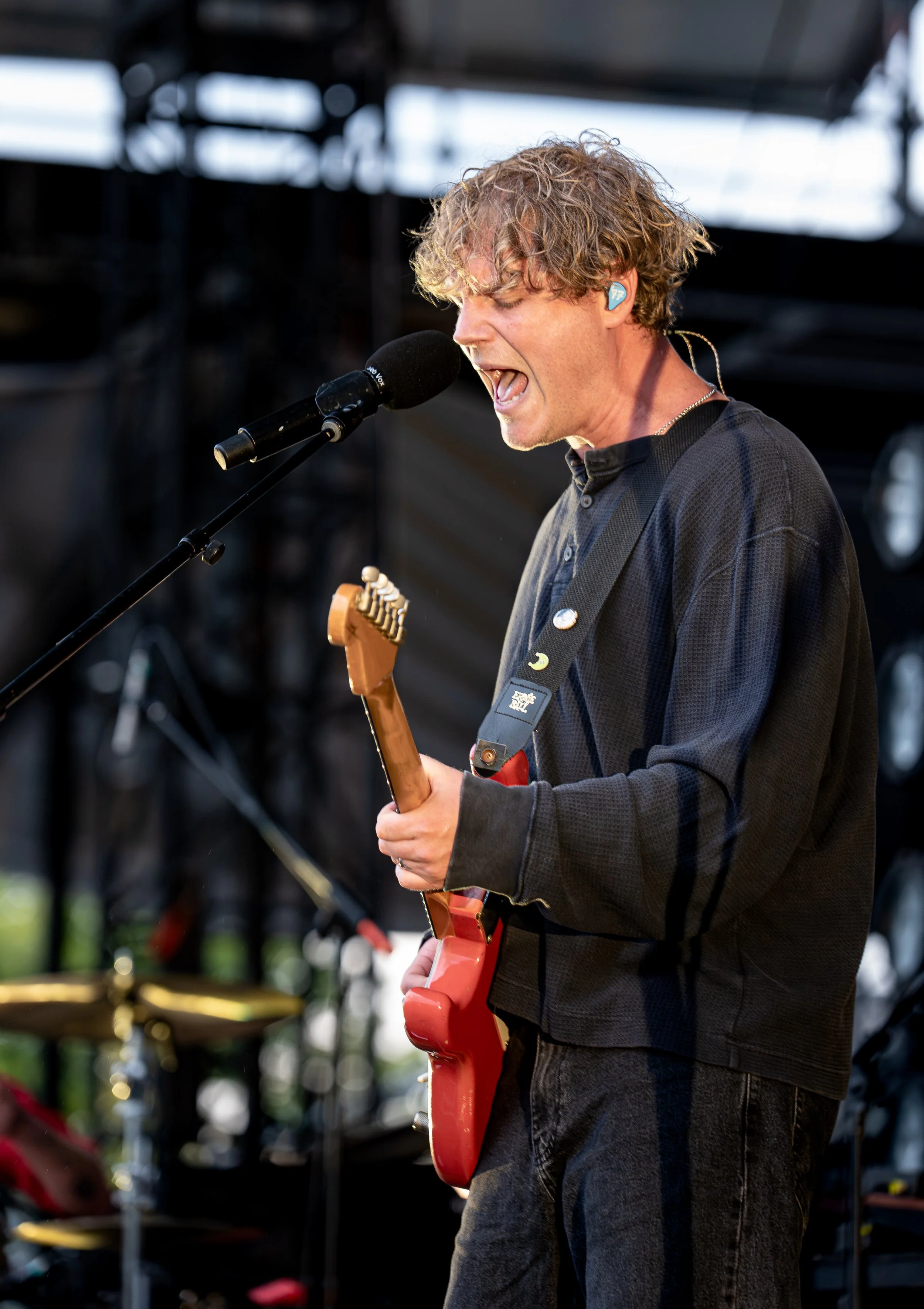
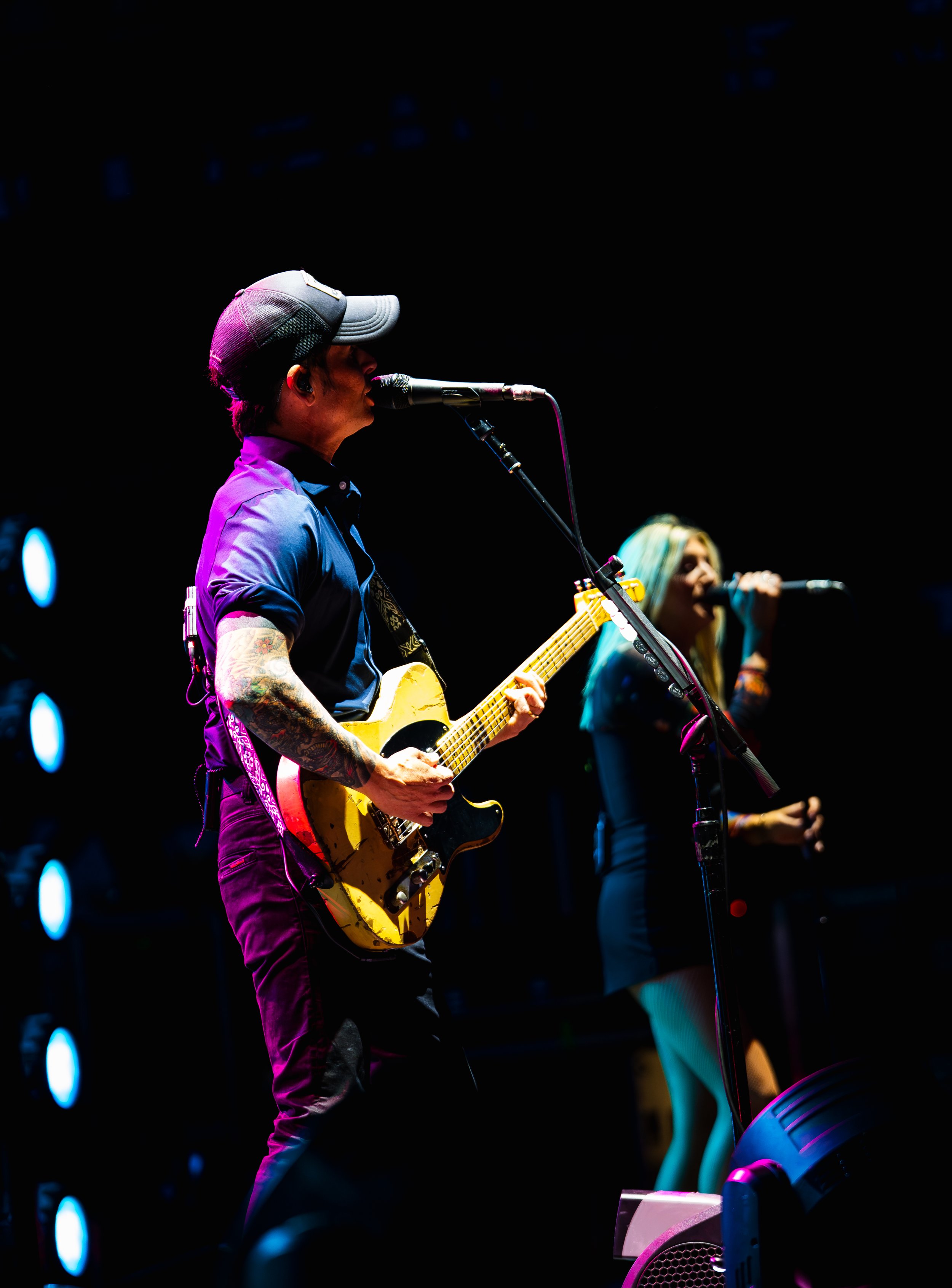
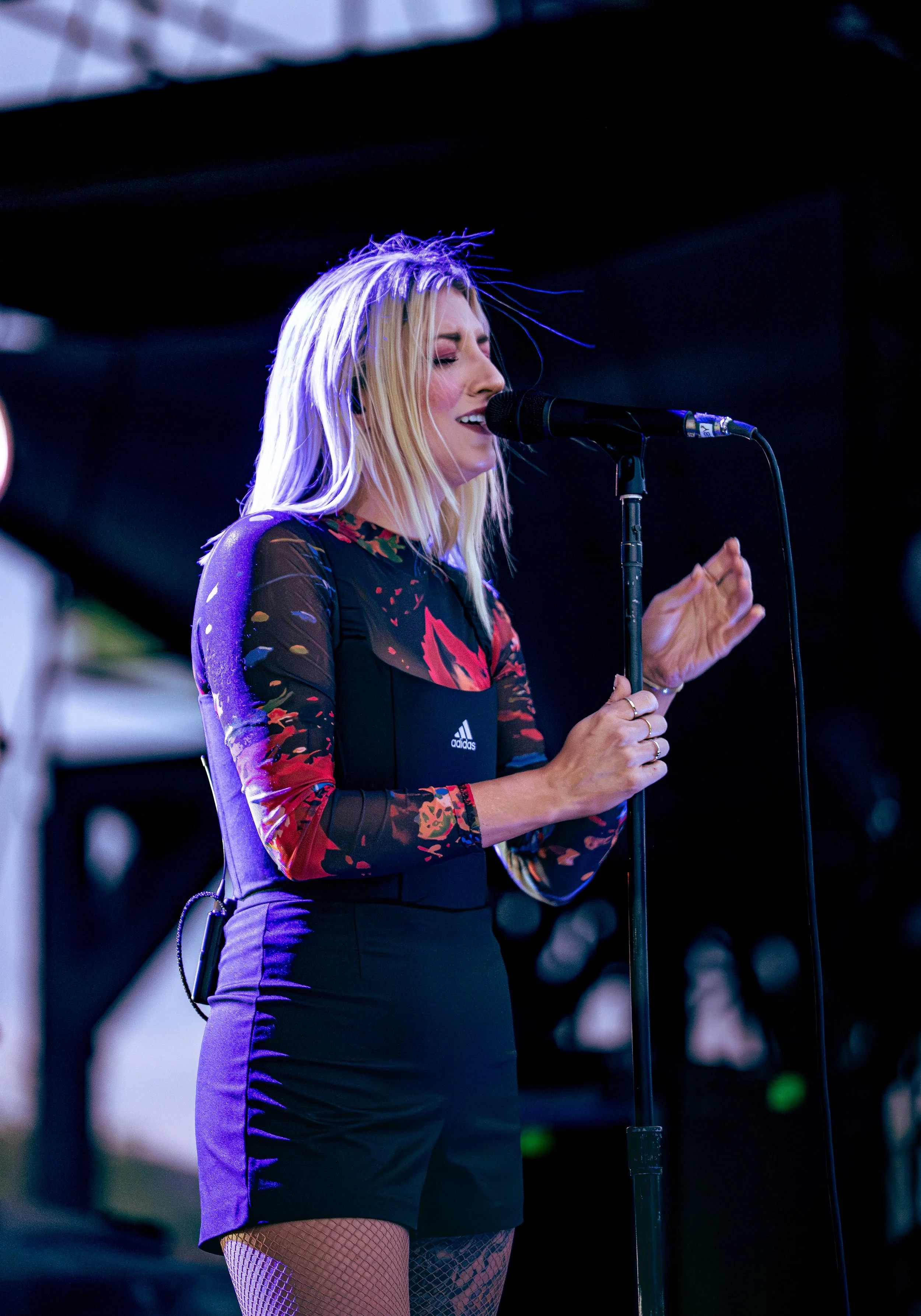
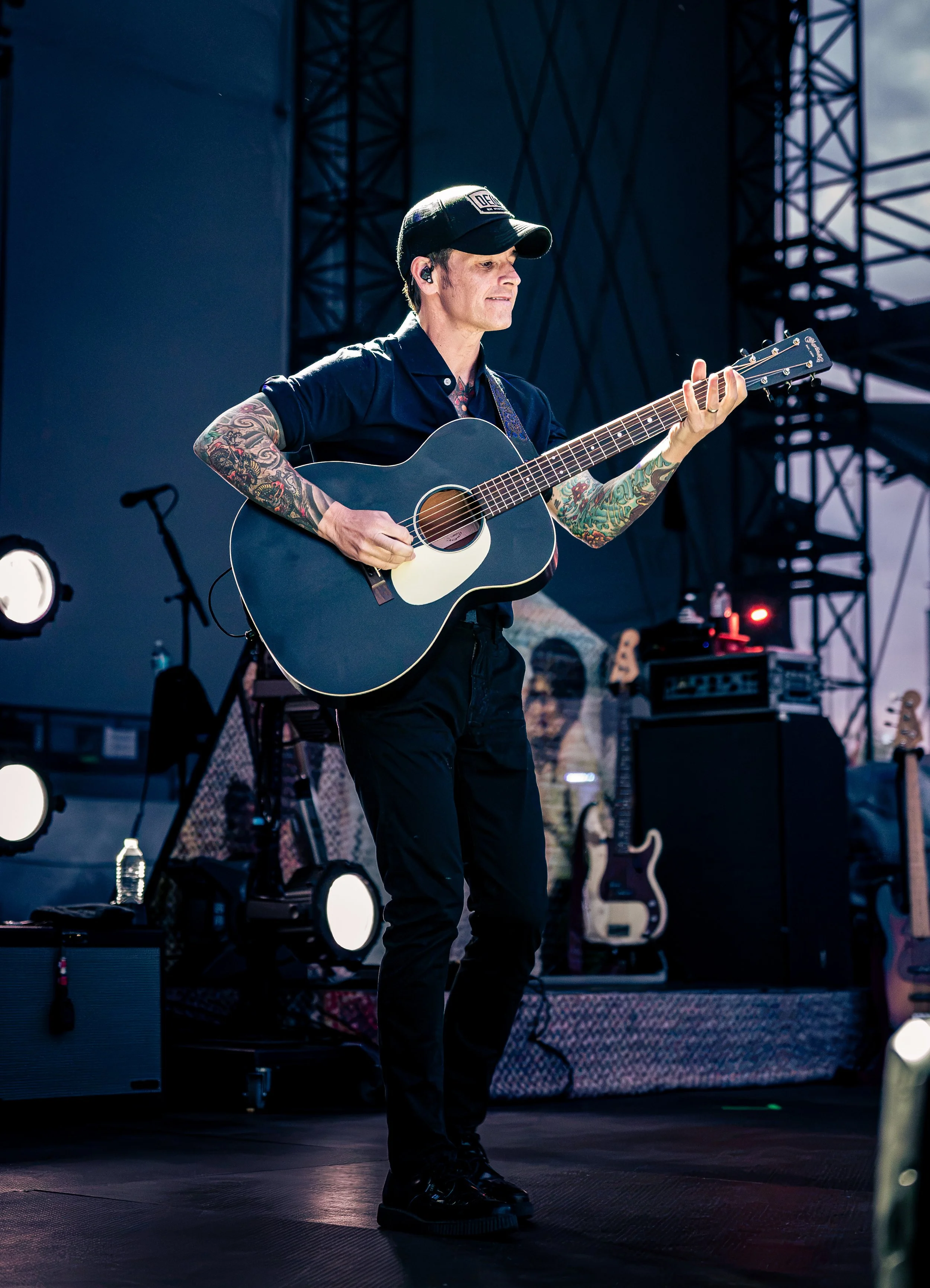
Dashboard Confessional brought a different sort of familiarity. Chris Carrabba strolled in smiling, guitar in hand, and opened in the purple twilight with “The Best Deceptions.” Abigail Kelly joined him shortly afterward, and the set maintained a deliberately acoustic character rather than hitting with a punchy emo growl. The restraint made “Screaming Infidelities” hit even harder. Under Chris’ urging to “get sadder” and unbury those oft-suppressed feelings, the crowd sang from the start, not just chanting a chorus but using it as a release. Dashboard’s place on the bill made sense after their set: these songs were for the people who had spent their youth attaching their own memories to melodies.
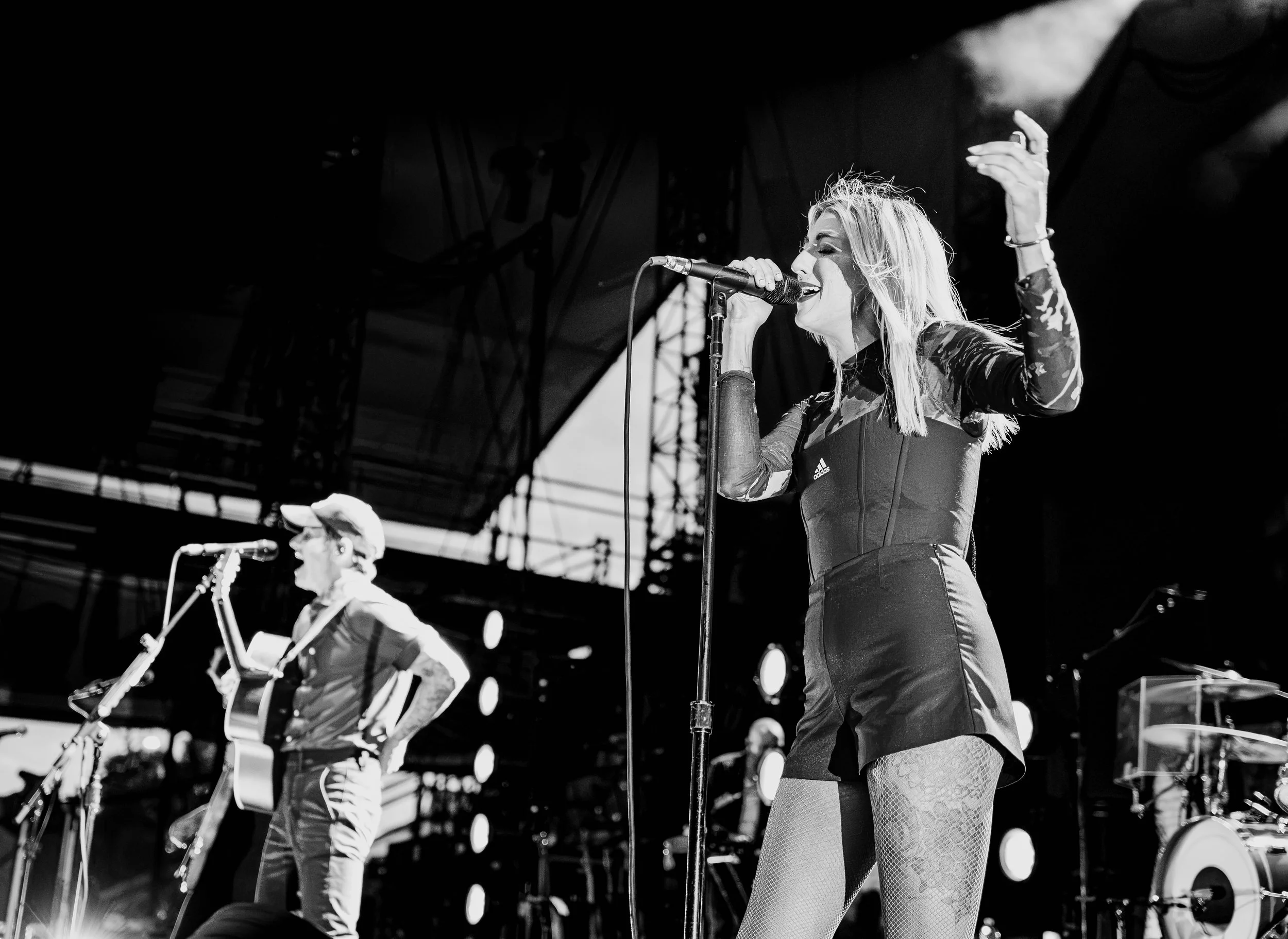
Wrapping up the set was a small display of tour camaraderie when Dashboard brought out Colony House’s bassist for “No More Bad Days.” The crowd responded with claps and a roar. This did not feel like a carefully choreographed guest appearance but rather a final-night gesture among musicians-turned-friends who had journeyed across the country all summer.
Then entered The Fray onto the dark stage with “A Light That Waits,” setting an emotional tone without immediately chasing their biggest songs. It was a confident entrance, easing the audience into the music before delivering the inevitable catharsis.
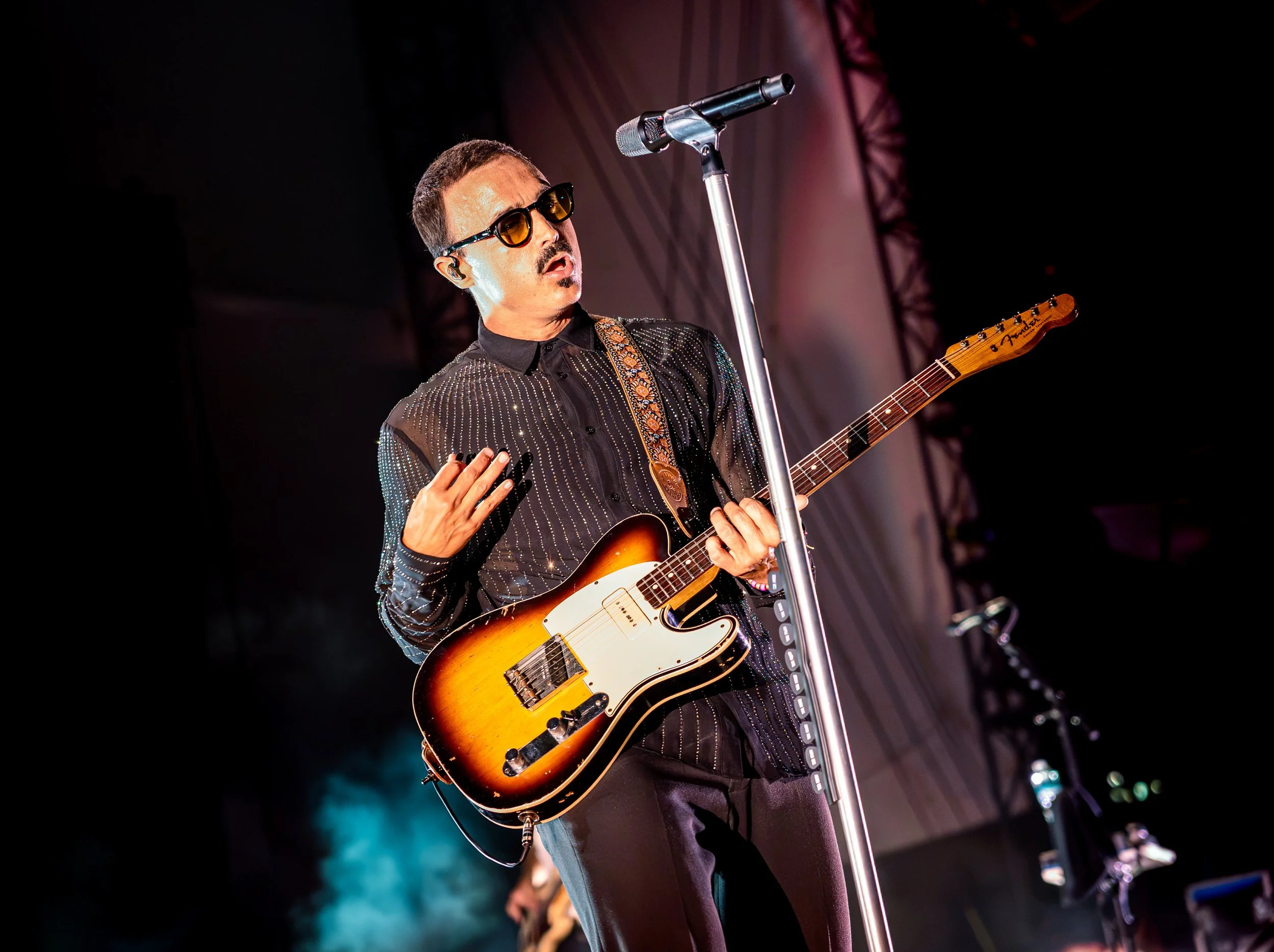
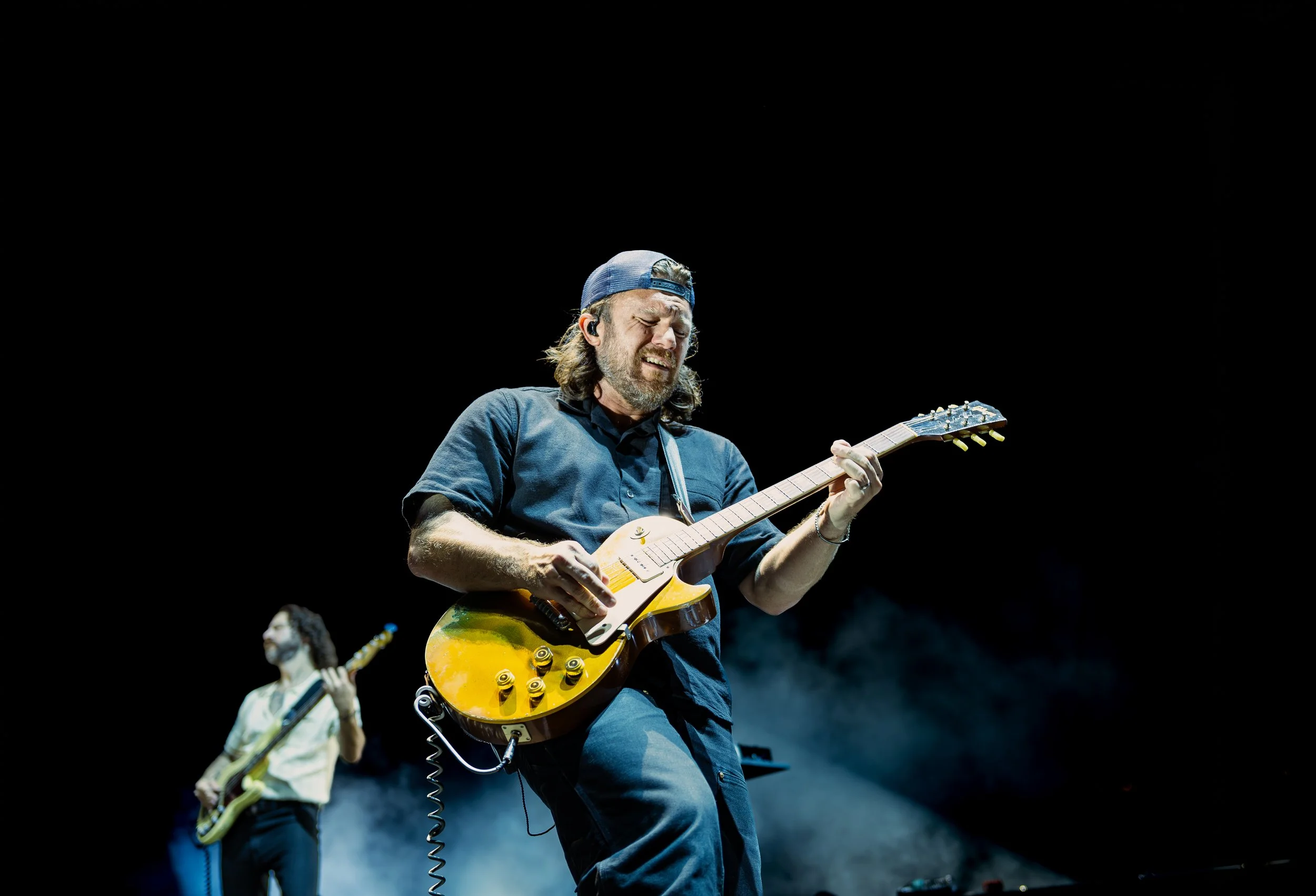
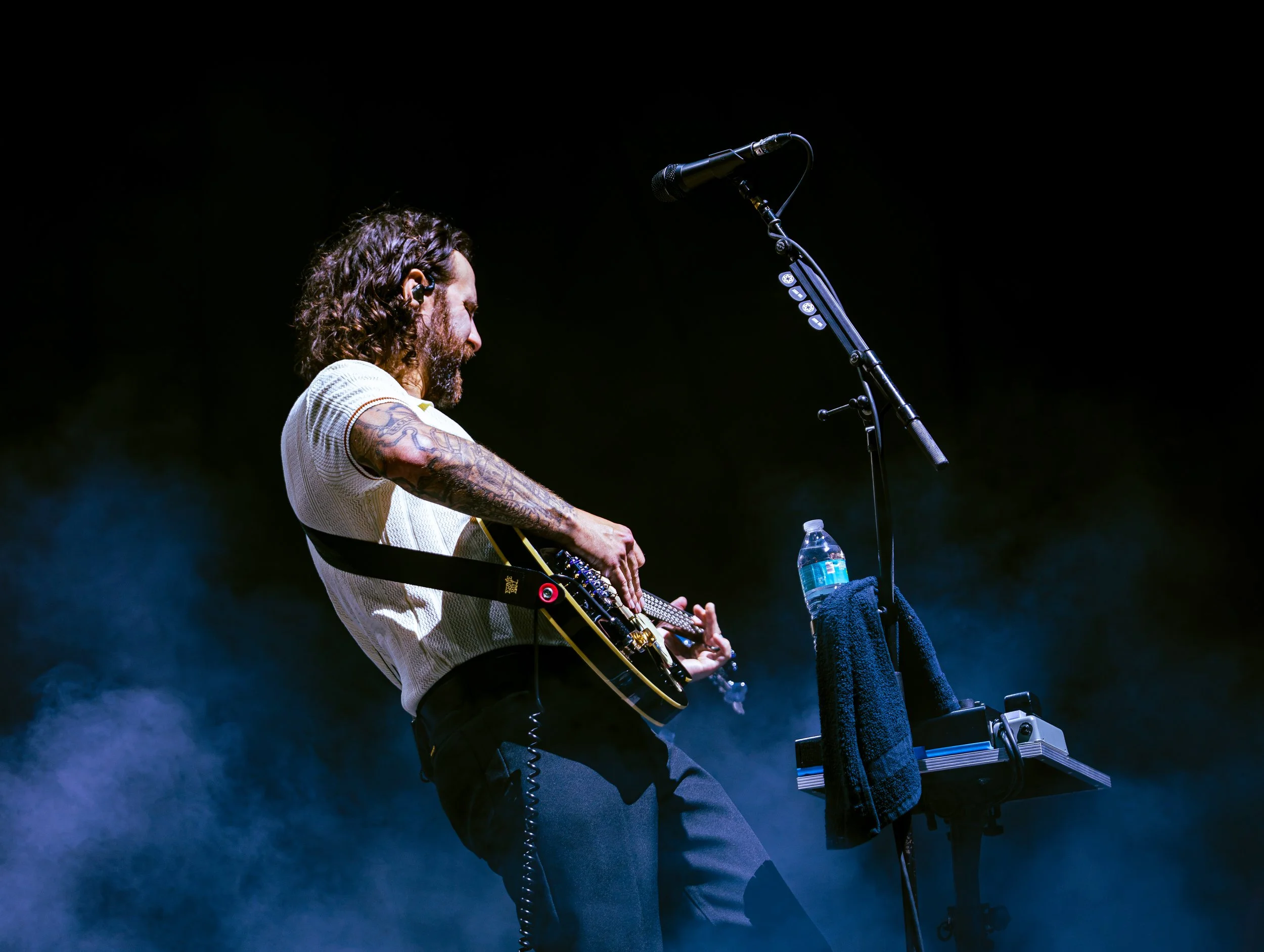
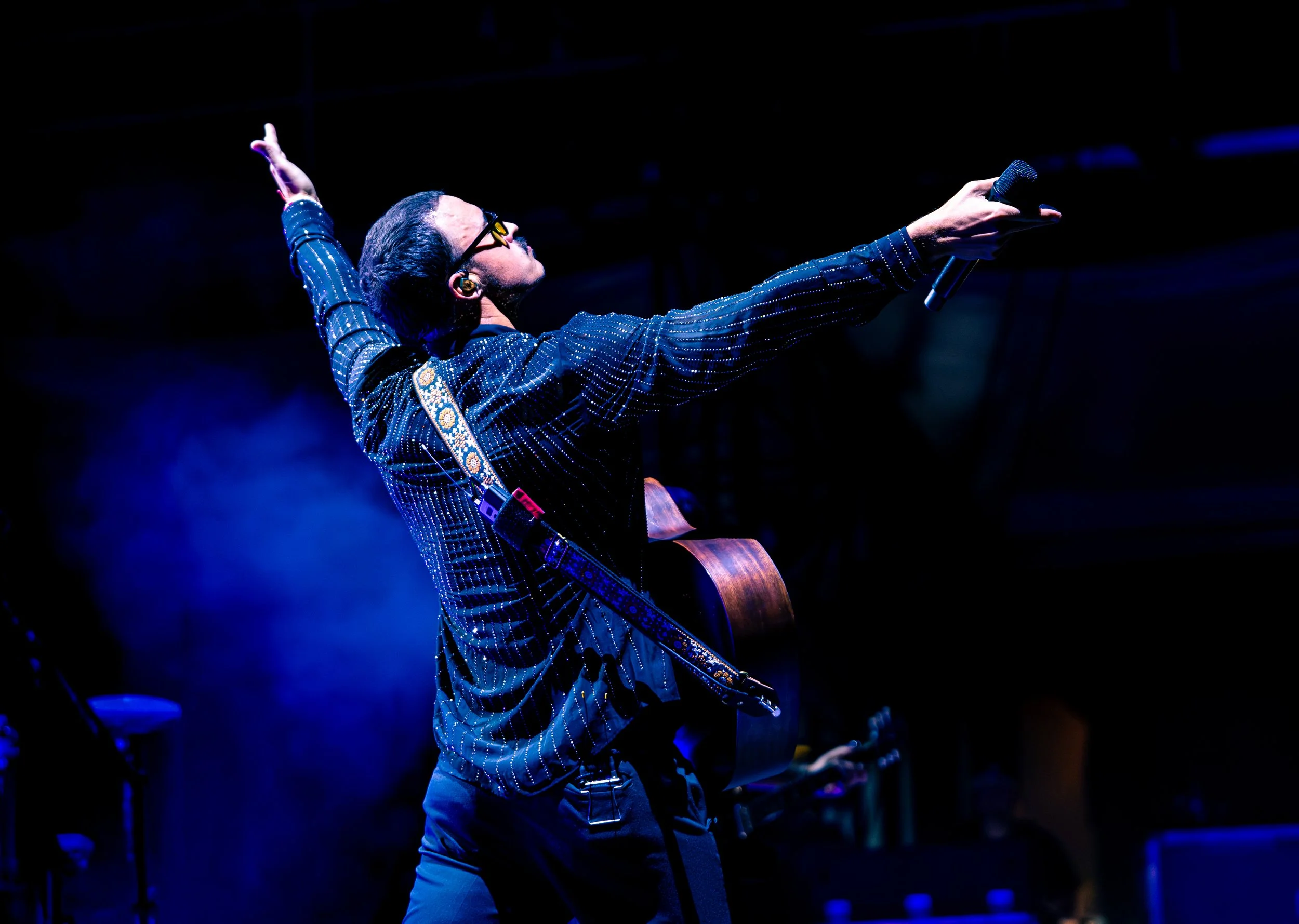
Clad in a bedazzled shirt that caught the spotlights in streaks of glimmer, Joe King led the group with a raspy, energized vocal that carried both force and feeling. He juggled the acoustic guitar and microphone with a dance-like urgency, strutting the stage as if it were his playground. Not one to steal the limelight, he also made room for the rest of the group, regularly turning songs into exchanges rather than centering every moment on himself and offering up some of his signature dance moves during the instrumentals.
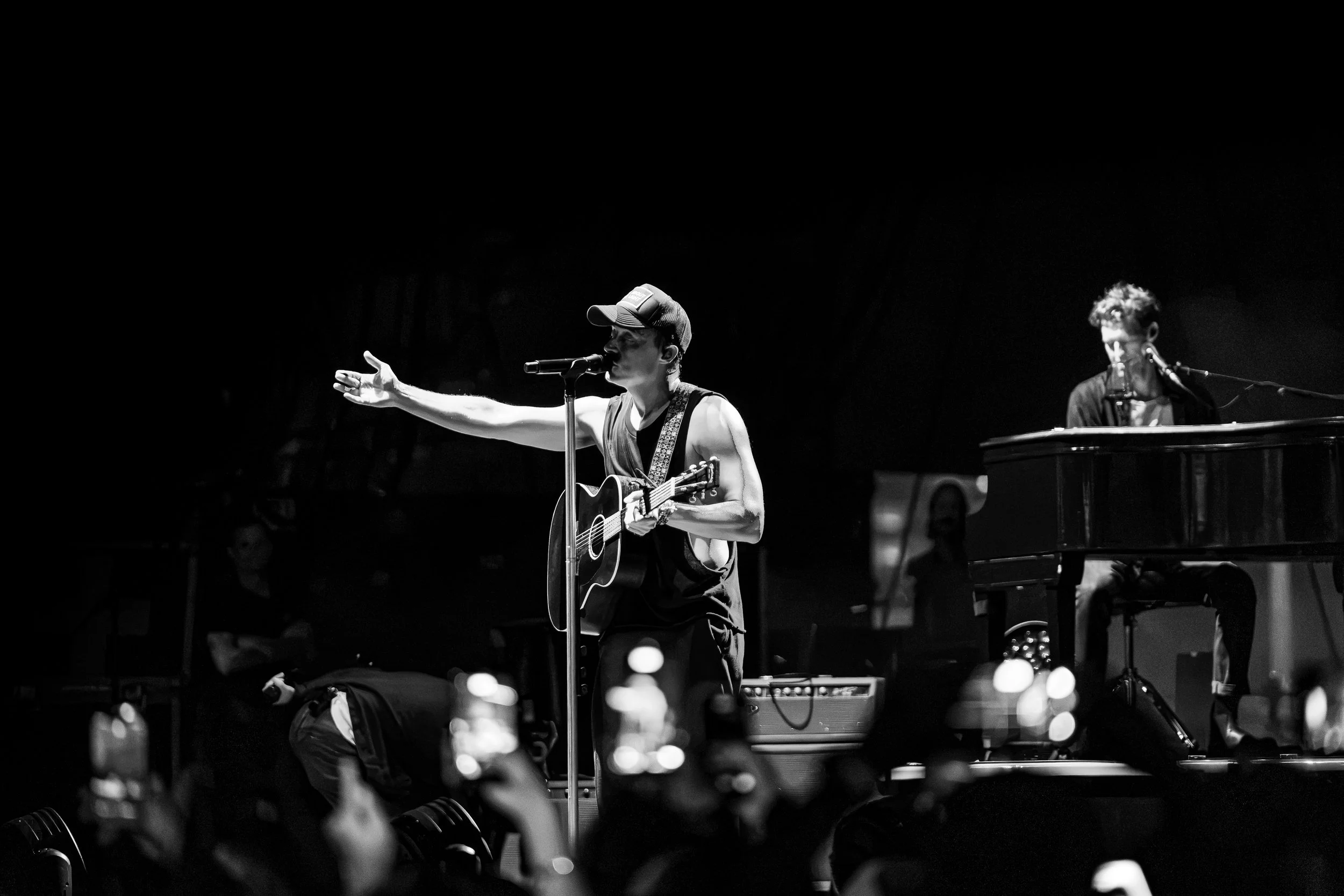
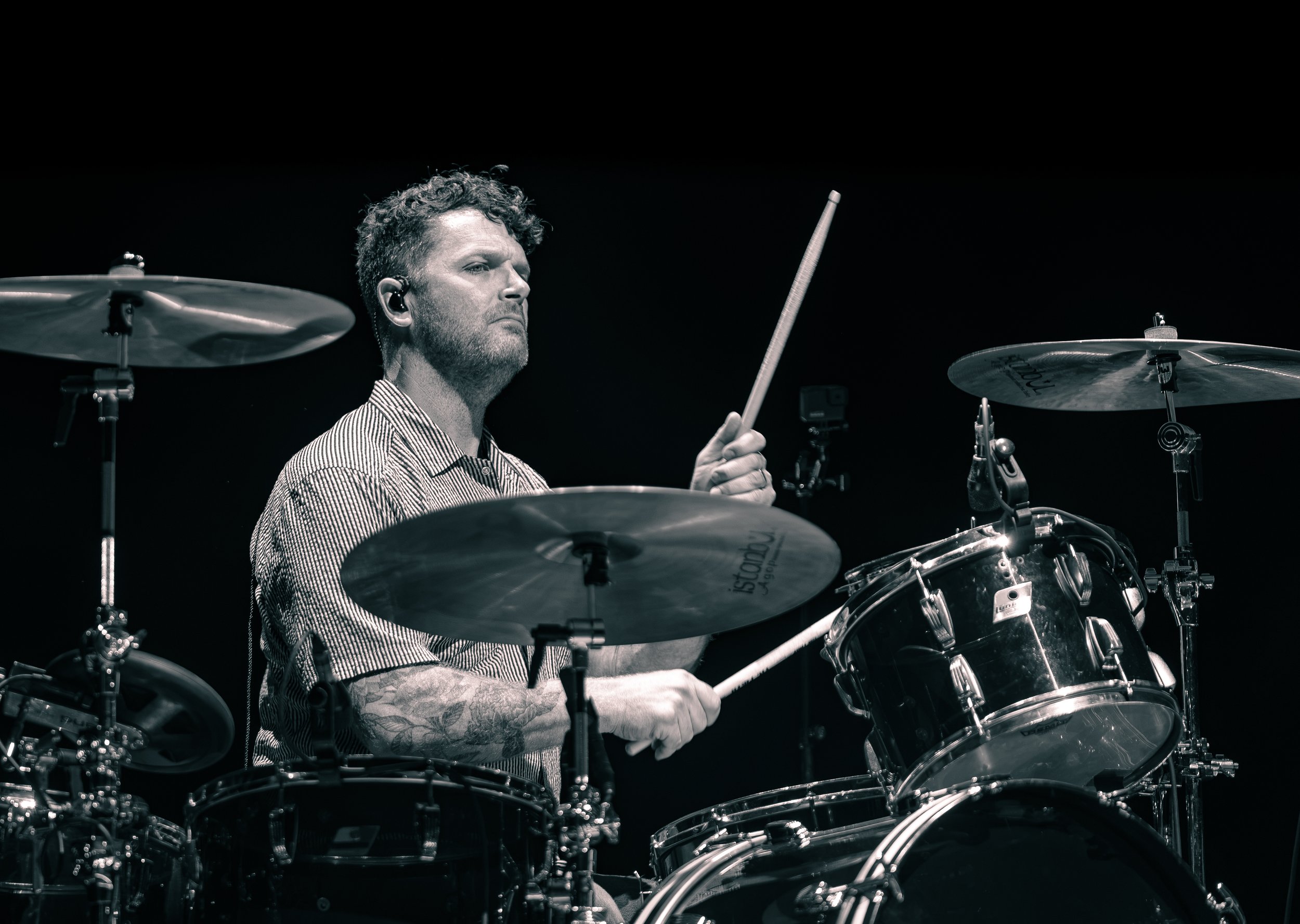
Kai Welch, seated at a concert grand piano, with a bottle of wine perched on top, glass half full, provided an elegant musical DNA, his playing giving the band’s classic arrangements their familiar sweep. Dave Welsh on guitar, Ben Wysocki on drums, and Dane Poppin on bass were no slouches either, each carrying a veteran gravitas forming the backbone of the performance.
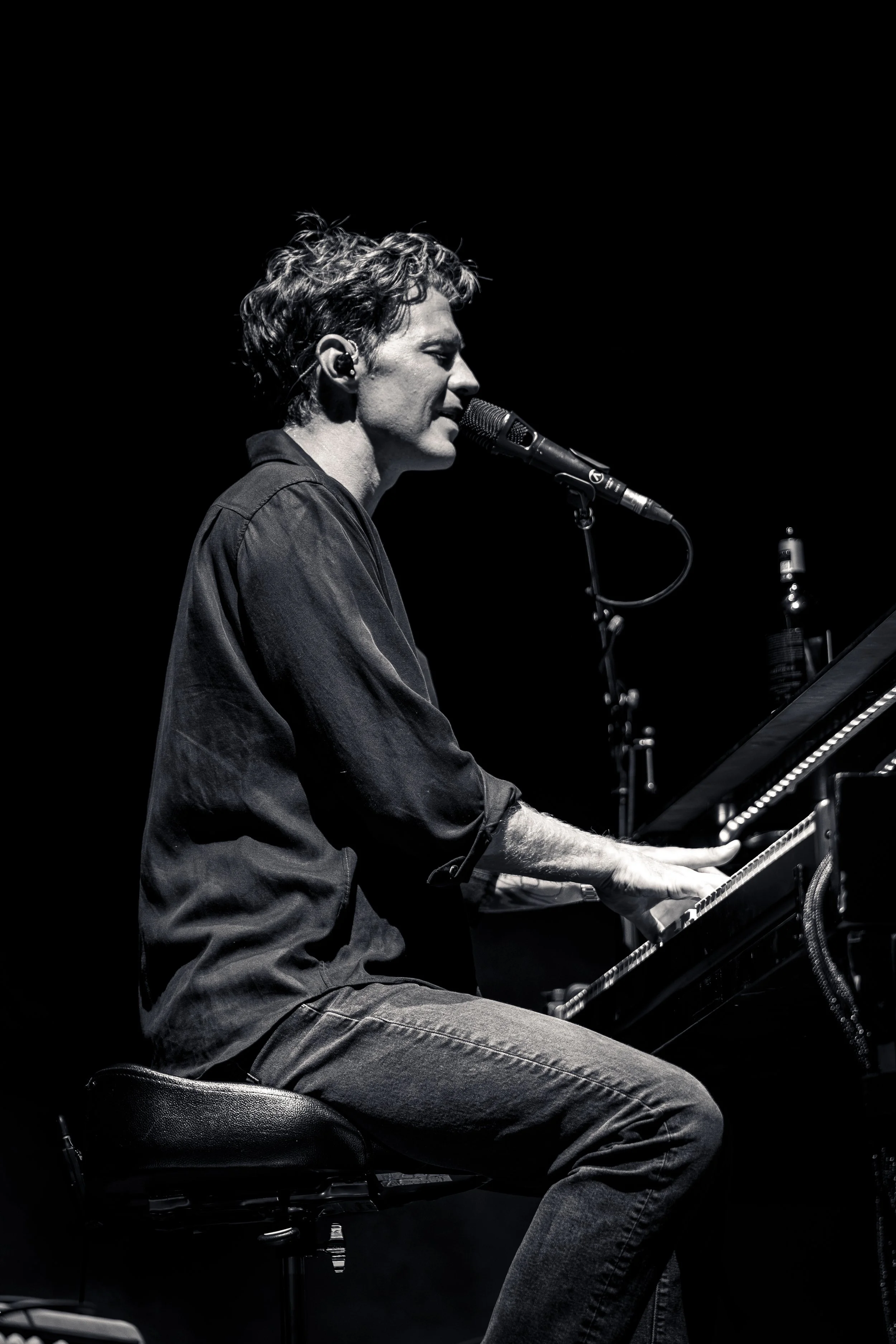
The set of the night ping-ponged between newer material and deep cuts with the songs that even a passing listener would recognize as The Fray. “Hurricane,” “Heartbeat,” “Look After You,” “Tasted Glory,” “Little House,” “Ice Cold Lakes,” “Songs I’d Rather Not Sing,” “Closer to Me,” “All at Once,” “Love Don’t Die,” “My Heart’s a Crowded Room,” and “Sea Level Drive” all helped the show flow like a familiar story rather than a greatest-hit compilation.
Still, the landmark songs landed as landmarks. “Over My Head (Cable Car)” drew an expected lively response, while “Never Say Never” stunned the crowd who just knew when to sing and when simply to let the song wash over them, often doing both simultaneously.
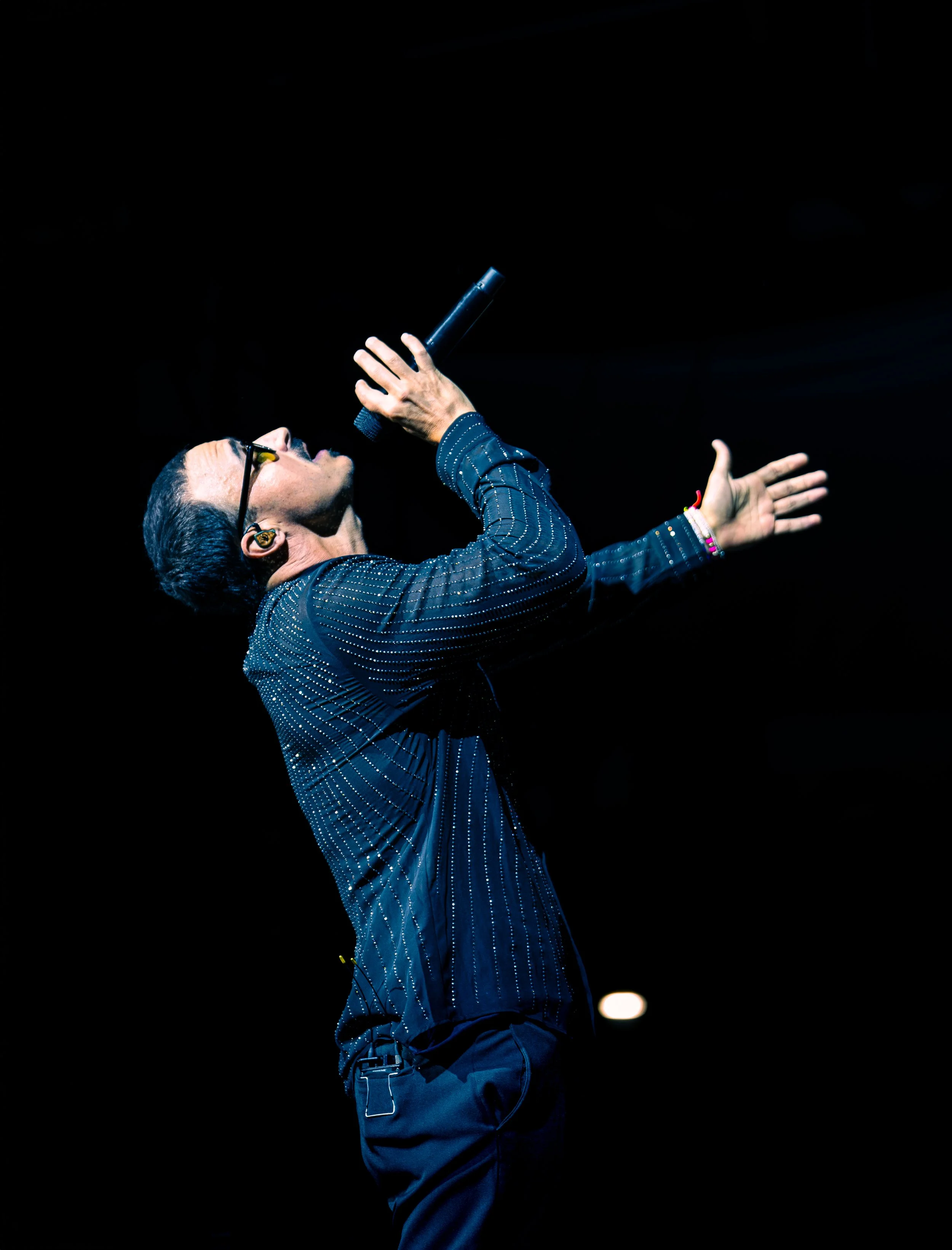
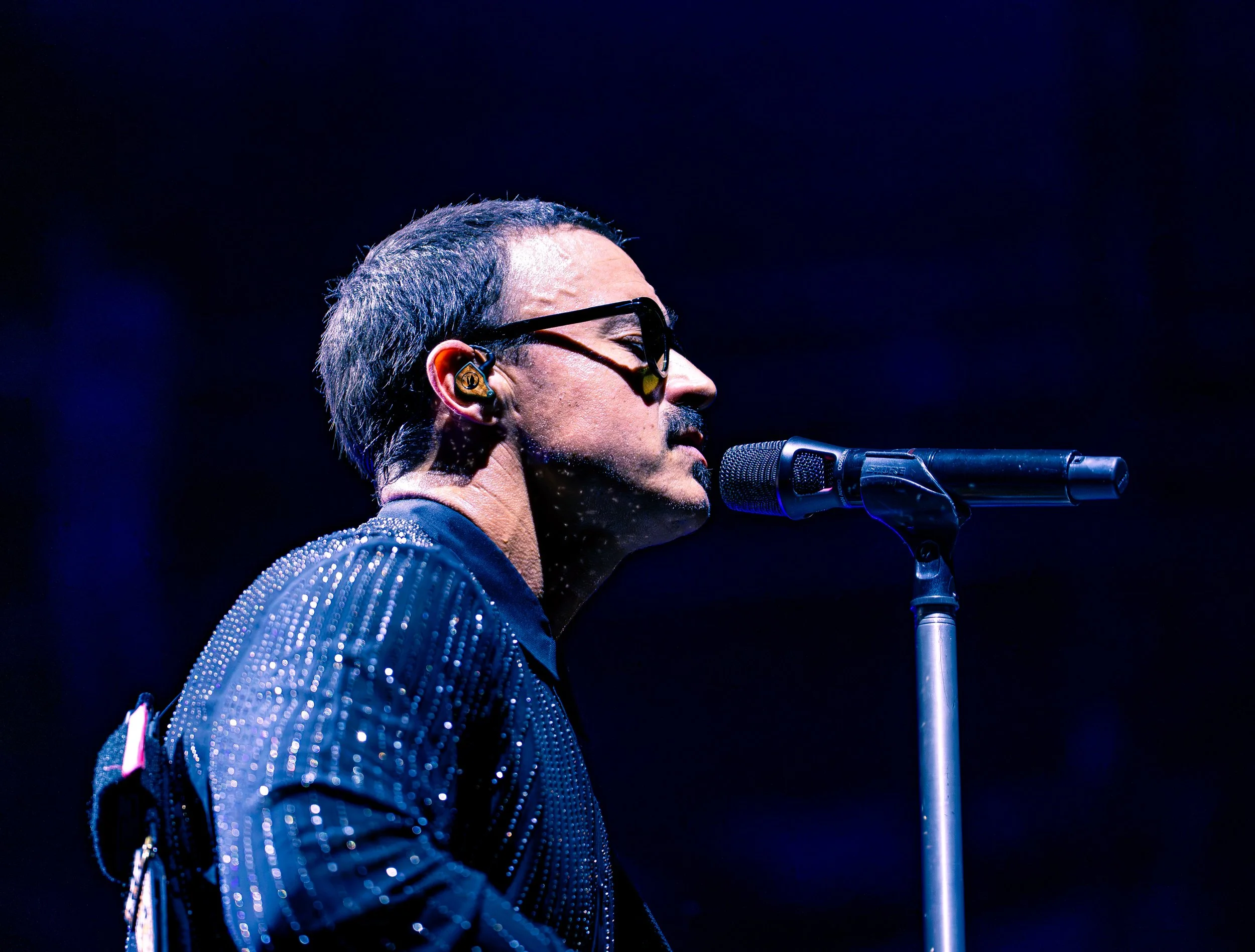
As a midway interlude, Mazzy Star’s “Fade Into You” was a fitting choice for an evening that leaned toward atmosphere and shared feeling over pure spectacle. By the time “You Found Me” played, the audience’s energy had coalesced into a warm, nostalgic communal tidal wave that had been growing since the afternoon clouds broke. Then came “How to Save a Life,” or what some in the stands playfully called “the song,” the night’s undeniable highlight.
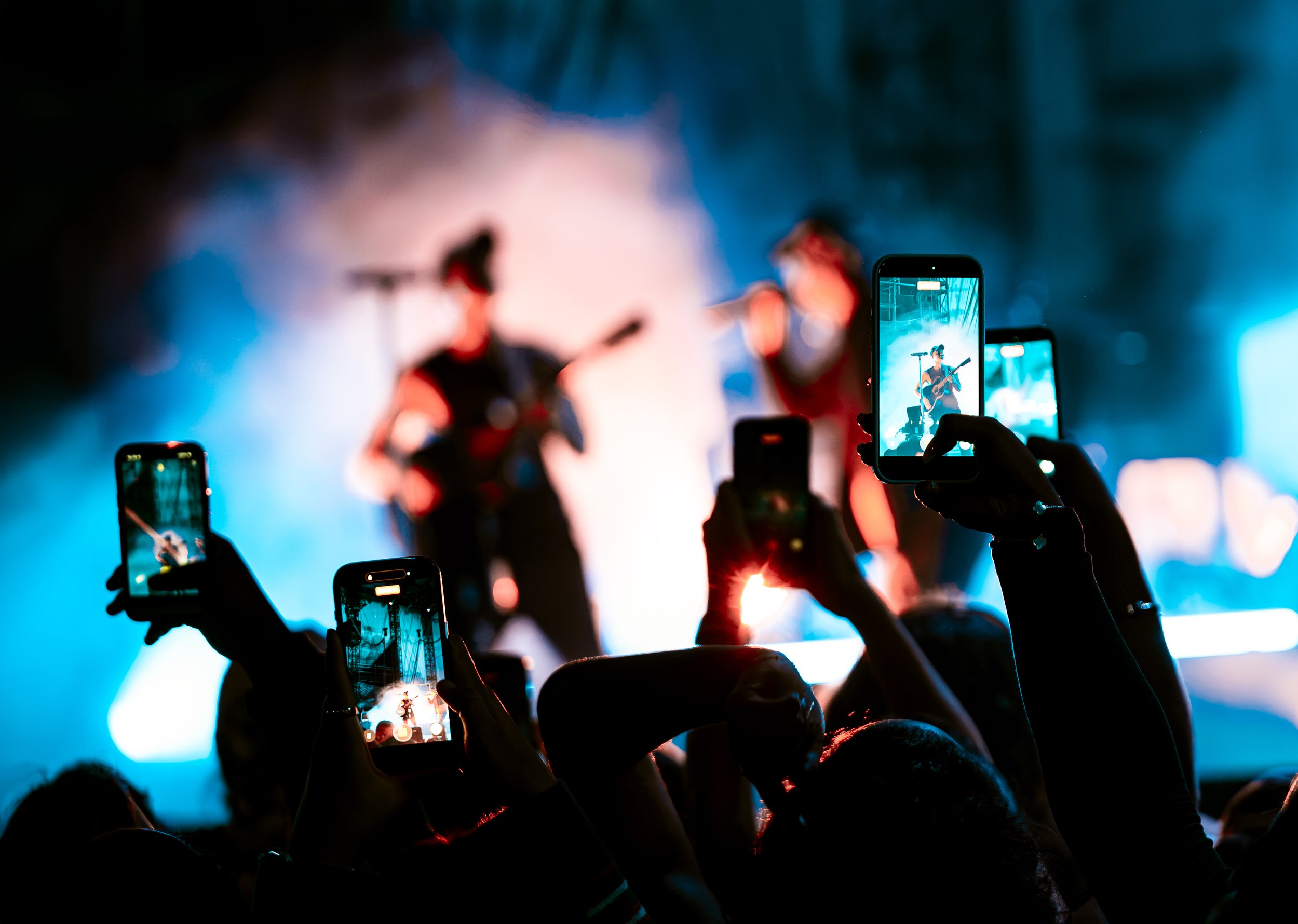
Thousands of phones reached toward the sky. Nearly every voice in the pavilion joined in, and how could they not? The crowd, now pushed far up front, did not wait for permission to belt the hit; it met the song note for note, turning its lyrics into a mass sing-along that even eclipsed the stage itself. For a group whose most famous piece had become a soundtrack to grief, reconciliation, and painful memories, the sheer scale of that moment felt both predictable and powerful.
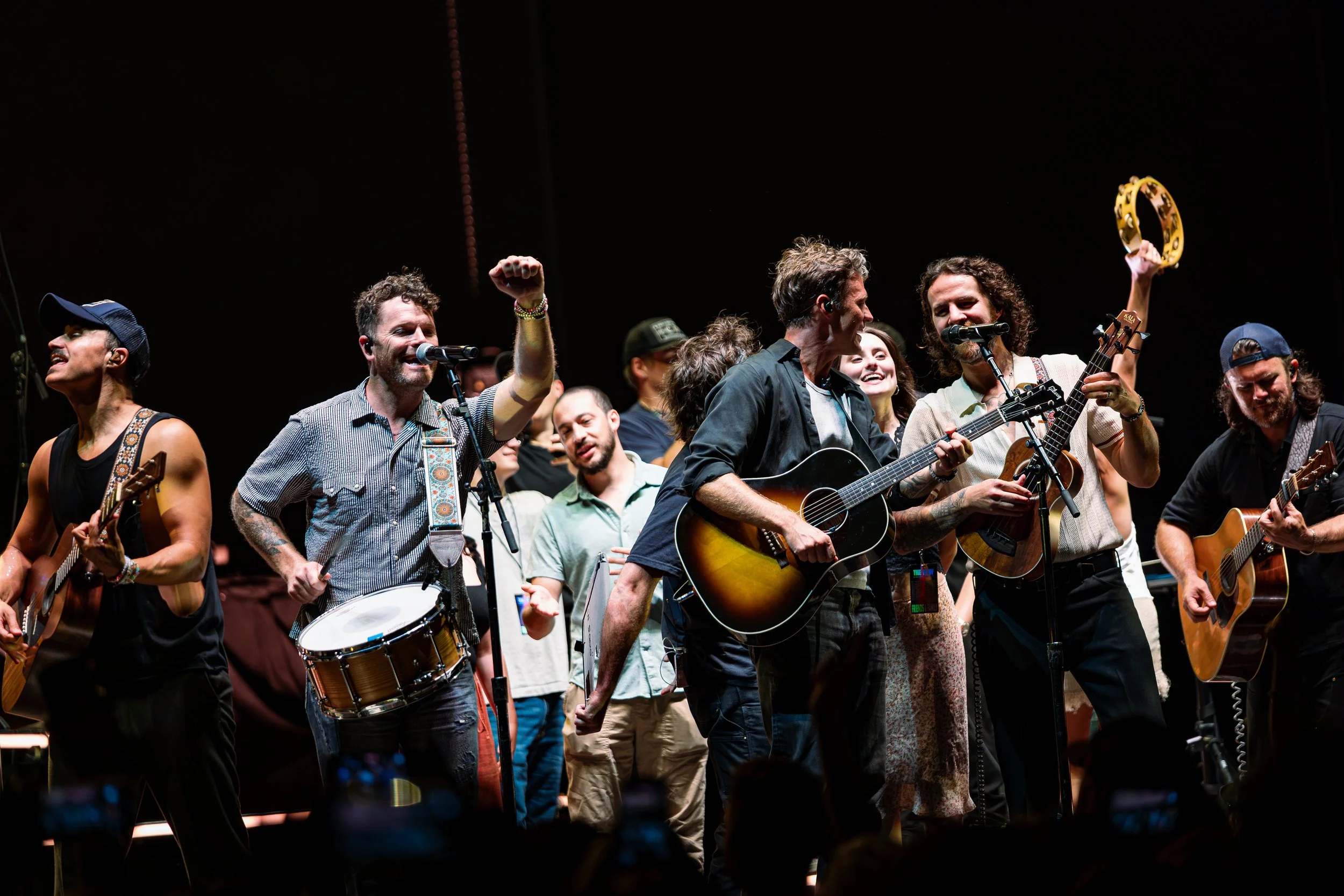
The Fray chose not to wait for an encore, as they had at prior stops. Instead, they ended the night in triumphant celebration. Acknowledging the final stop of their Summer of Light tour, the group thanked its touring crew, its opening acts, and the countless people who had carried the production from city to city. “For the final song,” the stage filled with Colony House, Dashboard Confessional, touring staff, and even what appeared to be family members. The eclectic cast joined the Fray for “With a Little Help From My Friends.” It was an unruly, wholly appropriate ending; a celebratory hurrah rather than a polished final bow.
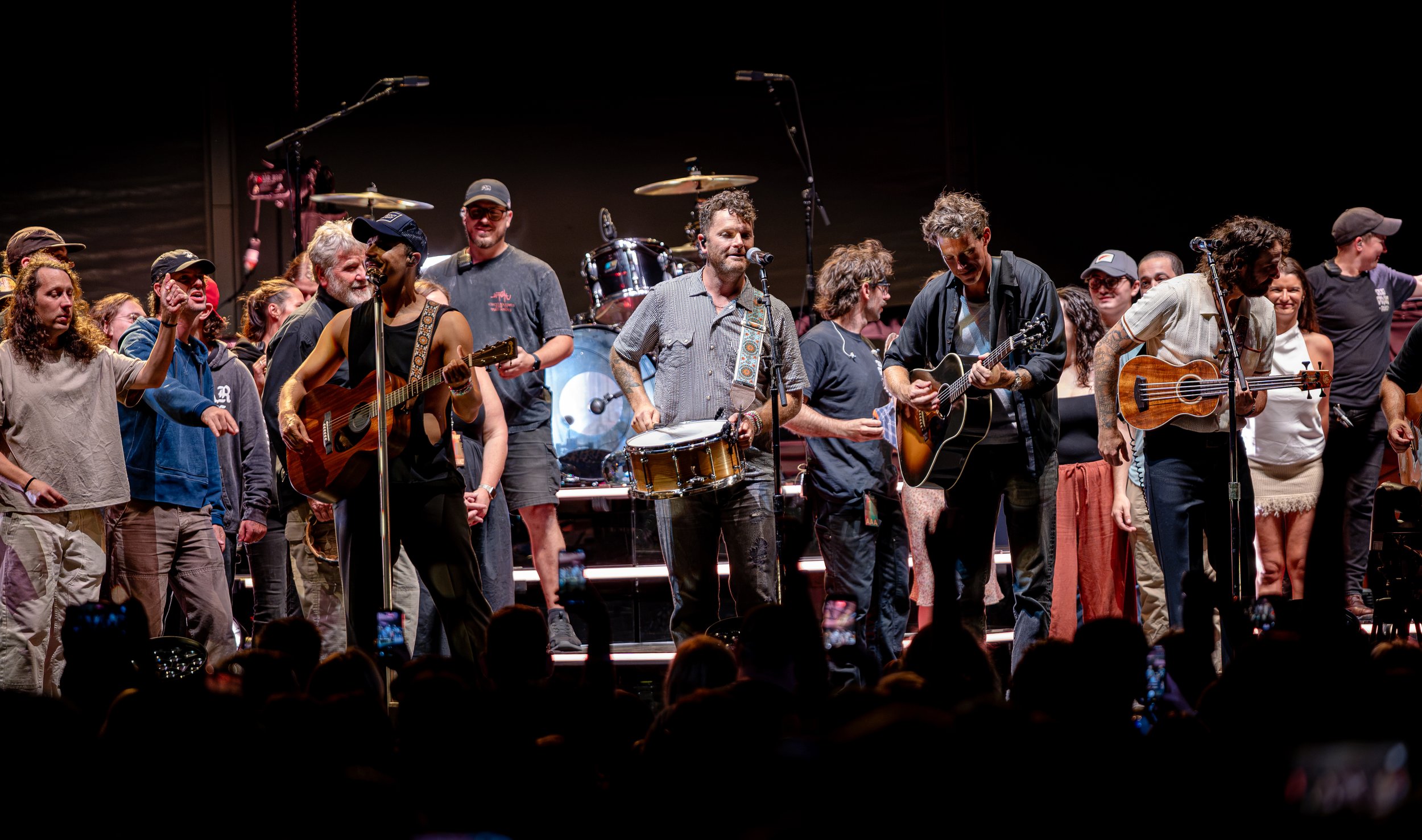
Hugs broke out. Smiles spread across the stage and into the crowd. The Summer of Light’s finale was a hit because it turned bad weather, accumulated tour fatigue, and decades of memories into a night of vivid collective energy. The Fray did not simply perform songs people loved. On the lakefront, beneath a clearing twilight, they gave those songs back to the listeners who had carried them for years.